
US and Saudi Pressure to Curb Hezbollah: Efforts to Shift Lebanon’s Balance of Power in Tel Aviv’s Favor
The US and Saudi Arabia are seeking to weaken Hezbollah and shift Lebanon’s balance of power by pressuring the Lebanese government and backing Israel’s demands.
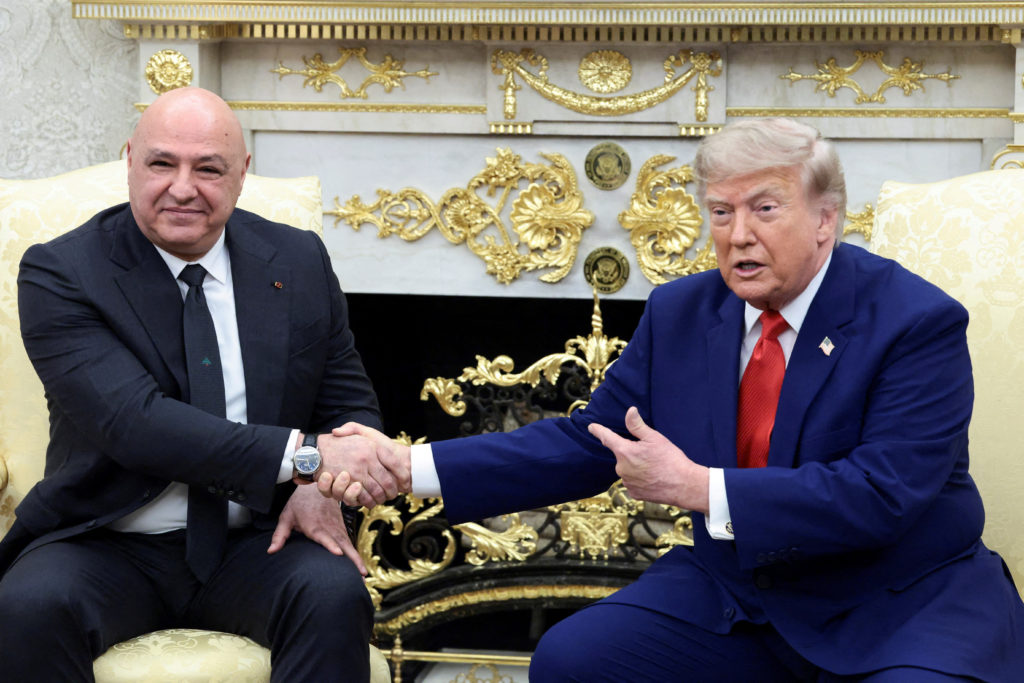
Beirut: According to Raaz News | Political and security developments in Lebanon point to mounting US and Saudi pressure on the Lebanese government to restrict Hezbollah. Backed by Washington’s political support for the demands of the Israeli regime, this pressure has gone beyond calls to disarm the resistance movement and now targets its financial, social, educational and healthcare networks as well.
According to a report published by Al-Akhbar newspaper, the United States and Saudi Arabia are seeking to steer the policies of the Beirut government toward their demands through direct contacts with Lebanese political and security officials. The US ambassador in Beirut and the Saudi representative are playing central roles in conveying the two countries’ demands and exerting pressure on Lebanese officials.
These interventions come as Washington and Tel Aviv seek to alter Lebanon’s security arrangements and restrict Hezbollah’s capabilities, a move that could shift the country’s domestic balance of power in favor of the Israeli regime.
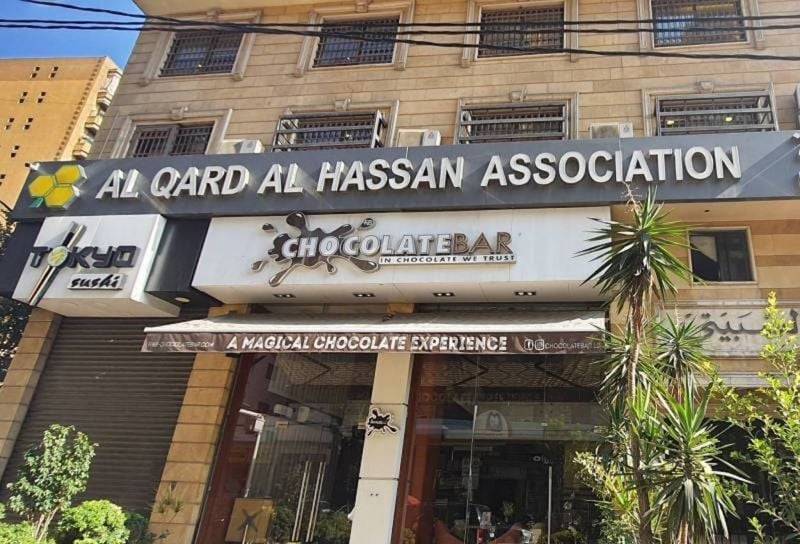
Pressure Expands from Disarmament to Undermining the Resistance’s Social Structure
One important aspect of this campaign is the US effort to restrict Hezbollah’s financial and social activities. The Al-Qard al-Hasan financial institution and the Wa Ta’awanu association are among the targets of these pressures. Washington has also threatened the money transfer company Whish with sanctions and closure if it continues its financial cooperation with the association.
These measures indicate that the US approach is not limited to disarming Hezbollah but also encompasses the economic, educational, healthcare and social networks associated with the movement. During a meeting with Lebanon’s ambassador to the United States, Washington explicitly called on government institutions to take action against these entities.
In practice, such an approach could affect access to financial and social services for segments of Lebanese society and extend pressure on Hezbollah beyond the military sphere.
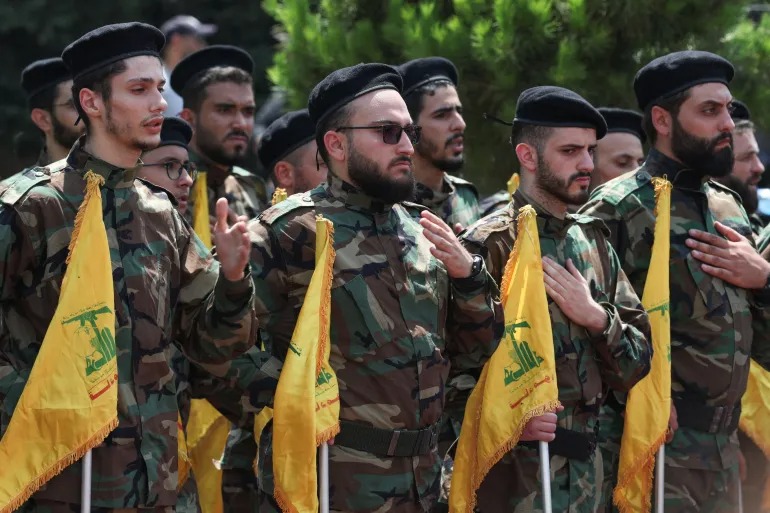
Pressure for a Confrontation Between the Lebanese Army and Hezbollah
On the military front, the US ambassador has called for direct action by the Lebanese Army against Hezbollah and has even suggested seeking support from the Israeli regime if the army requires it.
Michel Issa has also criticized the army command over its refusal to engage in a direct confrontation with Hezbollah and called for the replacement of the army commander.
These positions come as the Lebanese Army’s involvement in an internal conflict could pose a serious threat to the country’s fragile stability. Washington’s insistence on such an approach raises the question of whether the primary objective is to strengthen Lebanon’s national sovereignty or to use the country’s official institutions to advance the security objectives of the Israeli regime.
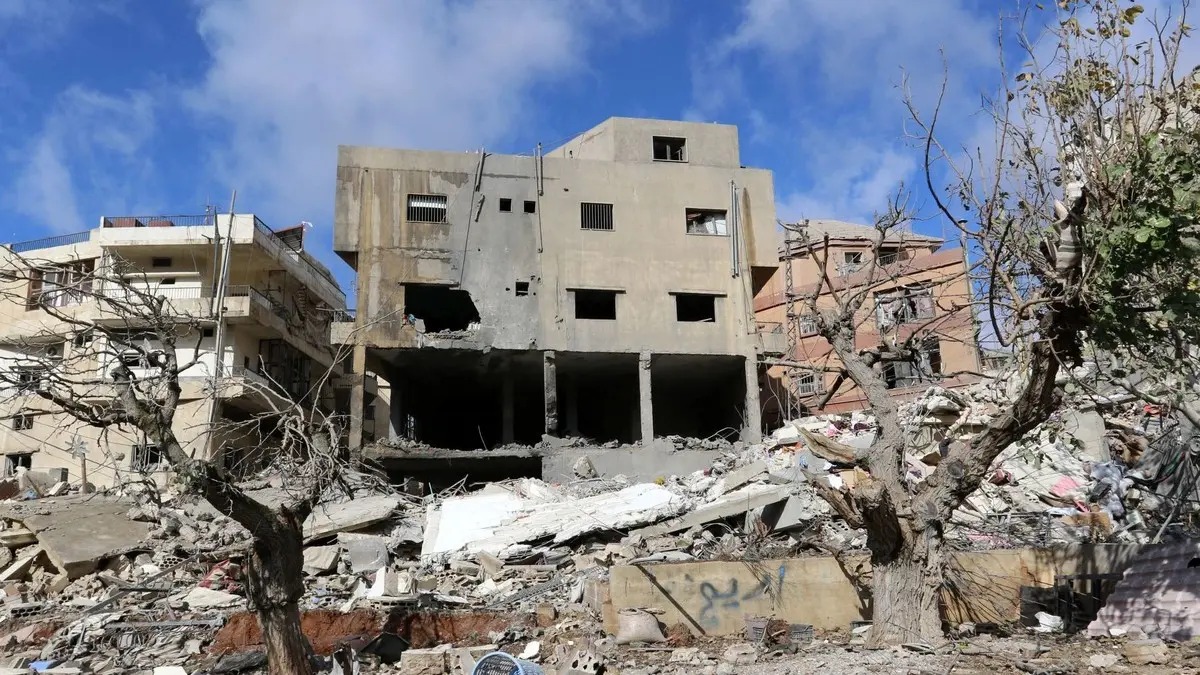
Lebanon’s Reconstruction: A Lever of Pressure for Washington and Tel Aviv
The United States has also chosen financial instruments as a means of applying pressure in its campaign against Hezbollah, making financial support for Lebanon’s reconstruction conditional on meeting its demands in the first pilot area under the trilateral agreement. Under this approach, progress in implementing the agreement and restricting Hezbollah’s military presence could pave the way for further withdrawals of Israeli forces and the allocation of funds for Lebanon’s reconstruction.
In this way, the reconstruction of Lebanon’s damaged areas, an urgent need for the country’s population, has become a tool for exerting political and security pressure.
Washington has also opposed the involvement of the South Council of Lebanon in the reconstruction process, claiming that this mechanism could lead to the transfer of financial resources to networks linked to Hezbollah.
Imposing such conditions on reconstruction could directly transfer the costs of political confrontation to the people and war-damaged areas of Lebanon.
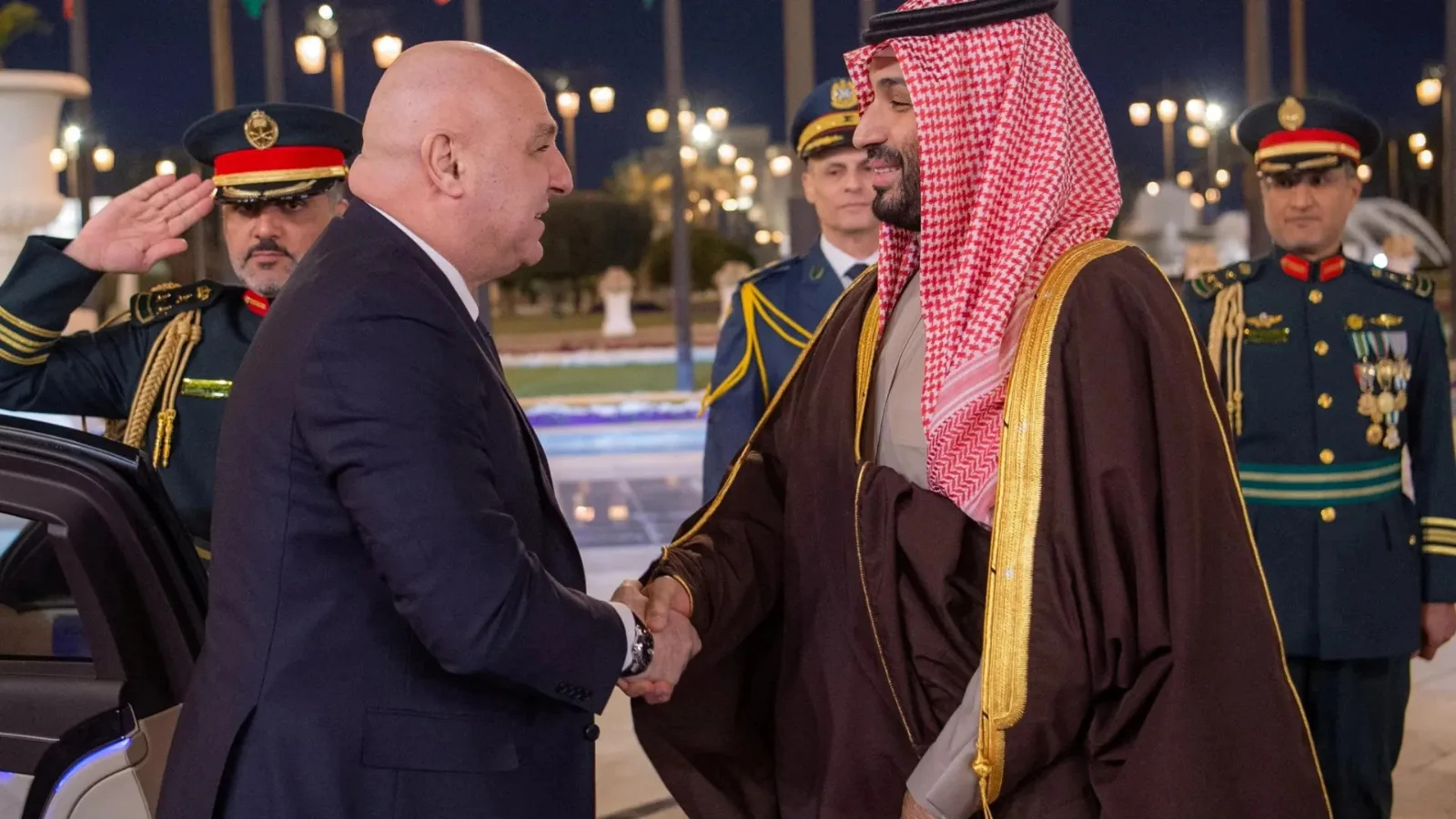
Saudi Arabia and the United States: Joint Pressure to Reshape Lebanon’s Political Landscape
Alongside the United States, Saudi Arabia is also playing a role in this process by stepping up its political and security activities in Lebanon. The deployment of a Saudi security delegation to assess Lebanon’s security measures, and linking visits by Saudi tourists to the outcome of that assessment, are examples of the tools Riyadh is using to pressure the Beirut government.
Taken together, these developments indicate that Washington and Riyadh are seeking to expand their influence over political and security decision-making in Lebanon, a process that overlaps with the Israeli regime’s demands to weaken Hezbollah.
Under these circumstances, a policy of maximum pressure on the resistance could not only challenge Lebanon’s internal cohesion but also increase the risk of the country becoming an arena for competing foreign interests.
At the same time, Iran’s role in supporting the Lebanese resistance and its emphasis on preserving its deterrence capabilities against the Israeli regime take on significance within the broader regional balance. From this perspective, efforts to weaken Hezbollah without taking into account the security threats posed by the Israeli regime and the issue of occupation could undermine the balance of deterrence and leave Lebanon more vulnerable.
Ultimately, what stands out in Lebanon’s recent developments is the gap between claims of supporting the country’s sovereignty and external pressure to reshape its power structure. This contradiction indicates that the issue is not merely the disarmament of a political and military movement, but a broader contest over Lebanon’s political and security future and the place of the resistance in regional affairs.