Baghdad’s Concerns over US Sanctions and Efforts to Remain Neutral in a Possible Conflict with Iran
As the possibility of a military confrontation between Iran and the United States increases, the Iraqi government has put extensive security and political measures in place to contain armed groups aligned with Tehran and prevent Iraq from being drawn into the conflict.
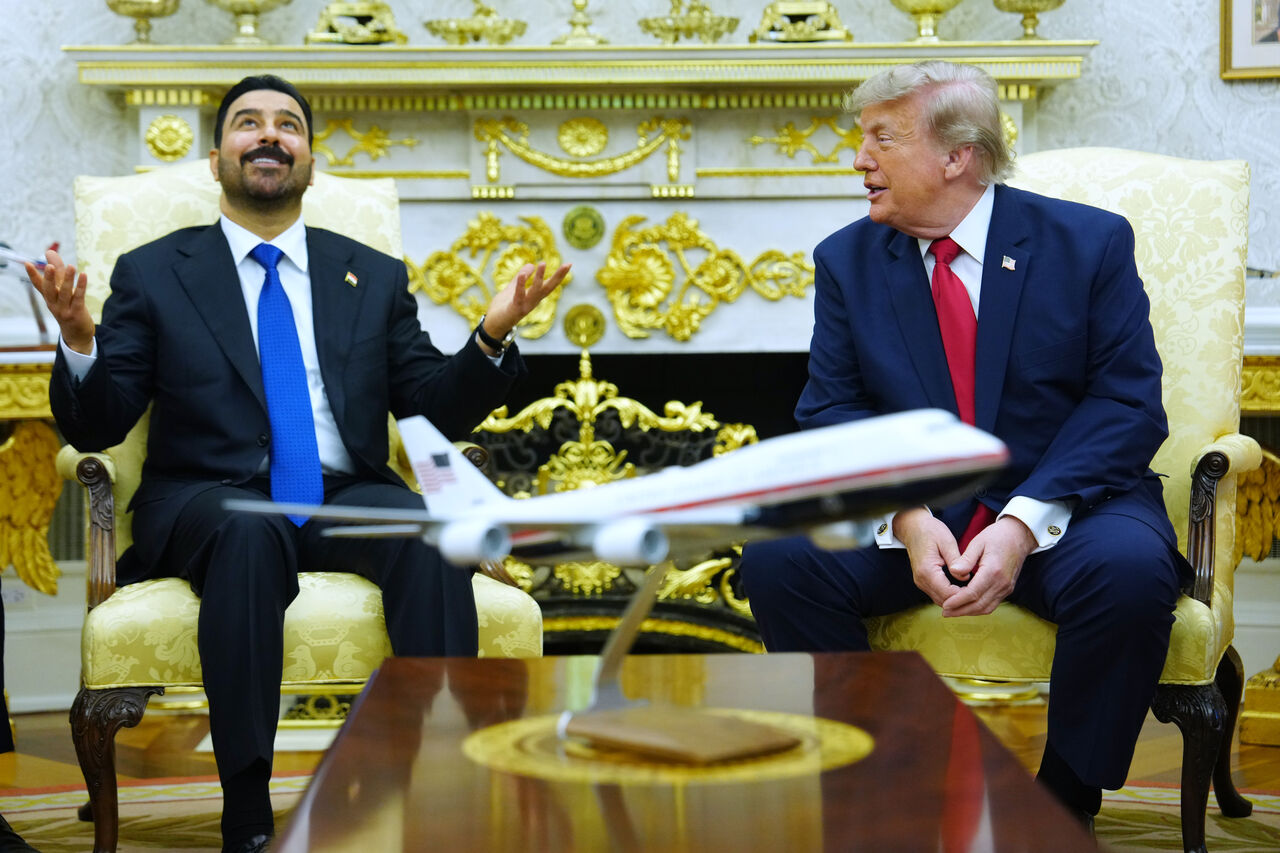
Baghdad: According to Raaz News | The Iraqi government, particularly Prime Minister Ali al-Zaidi, has adopted a cautious approach amid the possibility of a military confrontation between Iran and the United States. Concerned about punitive measures and sanctions from Washington, the government is seeking to keep Iraq in a neutral position.
Baghdad’s recent measures, ranging from deploying army forces in border areas and granting special powers to counter the movements of armed groups to holding consultations with US officials and Iraqi political leaders, indicate the government’s efforts to prevent Iraqi groups from siding with Iran and to keep the country away from any possible confrontation. This approach stands in contrast to Iran’s role in supporting Iraq in its fight against ISIS.
According to Asharq Al-Awsat newspaper, amid growing indications of possible US military strikes against Iran and concerns over the participation of Iraqi Shia armed groups alongside Tehran, the Baghdad government has placed an emergency, multi-pronged plan on its agenda. In addition to security and military measures in border areas, the plan includes granting exceptional powers to army commanders to respond immediately to armed movements, as well as preparing civilian institutions to deal with the possible consequences of war.
The main concern of Ali al-Zaidi’s government appears to be Iraq being drawn into a conflict between Iran and the United States and the country being exposed to Washington’s response, particularly economic sanctions and political restrictions.
For this reason, Baghdad is seeking to control armed groups and prevent any military action originating from Iraqi territory in order to avoid creating circumstances that the United States could interpret as Iraq’s direct or indirect participation in the war.
**> Baghdad’s Efforts to Contain Armed Groups and Control the Borders
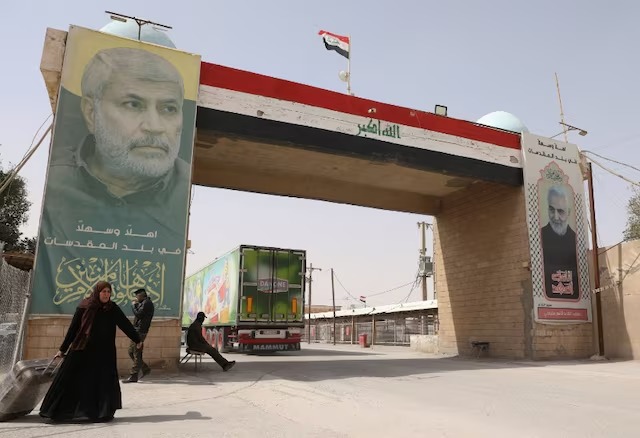
**A senior Iraqi security official has announced that, on the orders of Prime Minister and Commander-in-Chief of the Armed Forces Ali al-Zaidi, extensive security measures have been adopted to monitor border cities and keep round-the-clock surveillance of unusual movements.
These measures particularly cover the border areas with Iran, extending from Sulaymaniyah province in the north to Basra province in the south, as well as the shared borders with Syria. Meanwhile, Basra province has become a focal point for military commanders due to its strategic location and concerns over the movements of armed groups in its sensitive areas.
An informed official who attended Iraq’s high-level security meetings has also said that the country’s prime minister has granted special powers to army commanders, allowing them to immediately take action without prior authorization if they detect any movement or armed violation by outlawed groups.
These powers have been delegated to the Iraqi army at a time when the possible participation of armed groups aligned with Iran in a potential war is considered one of the most significant concerns of the Baghdad government. In fact, by strengthening military control over sensitive areas and restricting the movements of these groups, the Iraqi government is seeking to prevent its territory from becoming one of the potential fronts in a confrontation between Iran and the United States.
Baghdad’s Preparations for the Consequences of a Possible War
The Iraqi government’s measures have not been limited to the military sphere, and civilian institutions are also preparing to deal with the possible consequences of a conflict.
According to the report, Iraq’s Ministerial Council for National Security, chaired by the prime minister and attended by the ministers of defence, interior, foreign affairs, finance and planning, as well as the national security adviser, has reviewed emergency scenarios.
Digitizing and safeguarding sensitive government documents, shifting schools to remote learning, and preparing to receive potential refugees from conflict zones are among the measures under consideration.
Iraqi government sources have stated that these plans were drawn up last March following the escalation of the regional crisis and conflicts, and have since been periodically reviewed and updated.
**> Concerns over Iraqi Groups Joining Iran
**
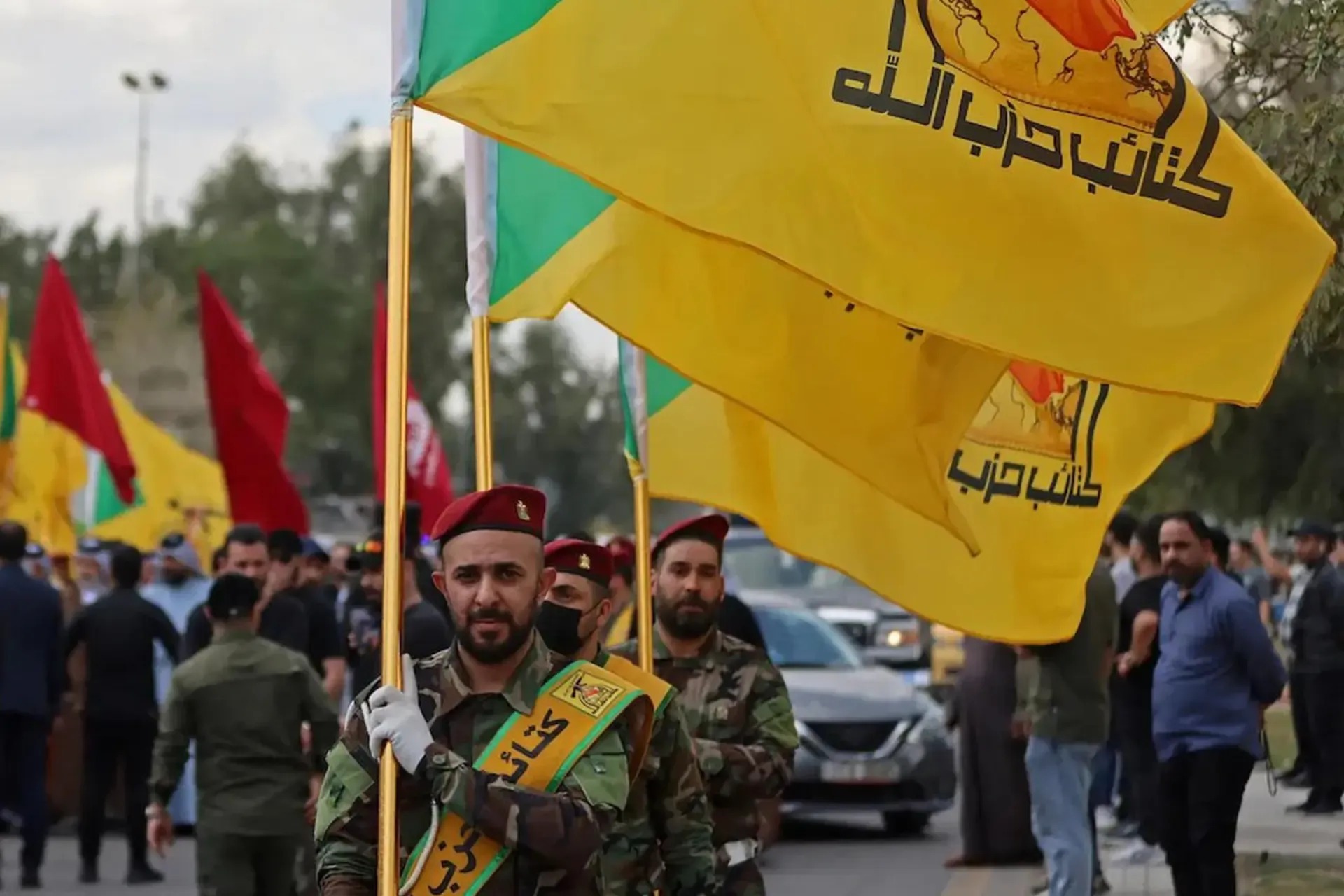
One of the main factors behind the Baghdad government’s concerns is the possibility of Iraqi armed groups directly entering a military confrontation between Iran and the United States. Iraqi political officials have warned about the consequences of updating the target databases of armed groups based on instructions from the Islamic Revolutionary Guard Corps (IRGC), as well as the possibility of these groups participating extensively in the war.
The report also refers to a message attributed to Ayatollah Mojtaba Khamenei regarding a borderless confrontation with the enemy, which was conveyed to resistance groups by Esmail Qaani, commander of the IRGC’s Quds Force.
An Iraqi official has warned in this regard that if armed groups directly enter the war, Iraq’s prime minister may suddenly find himself at the head of a government that Washington regards as belonging to a hostile country.
This concern clearly demonstrates that the possibility of a US response and the imposition of pressure on the Baghdad government hold an important place in the Iraqi prime minister’s security and political calculations. Under these circumstances, efforts to contain armed groups aligned with Iran can be viewed as part of Baghdad’s policy to prevent the country from being placed on the opposite side of Washington.
**> Consultations with the United States and Pressure on the Coordination Framework
**
At the political level, Ali al-Zaidi has also sought to prevent Iraq from entering any regional confrontation through direct consultations with US officials and leaders of the Coordination Framework.
According to the report, the Iraqi prime minister has informed the leaders of the Coordination Framework, which comprises the country’s major Shia parties, about the possibility of US military strikes against Iran and has asked them to prevent groups aligned with Tehran from taking part in the war.
This request comes at a time when some Iraqi political factions are concerned that a possible weakening or defeat of Iran in a confrontation with the United States could also affect their political position and influence within Iraq’s power structure. For this reason, the positions of Iraqi political and armed groups regarding a possible war are not uniform, and the Baghdad government faces challenges in containing these differences and preventing uncontrolled actions.
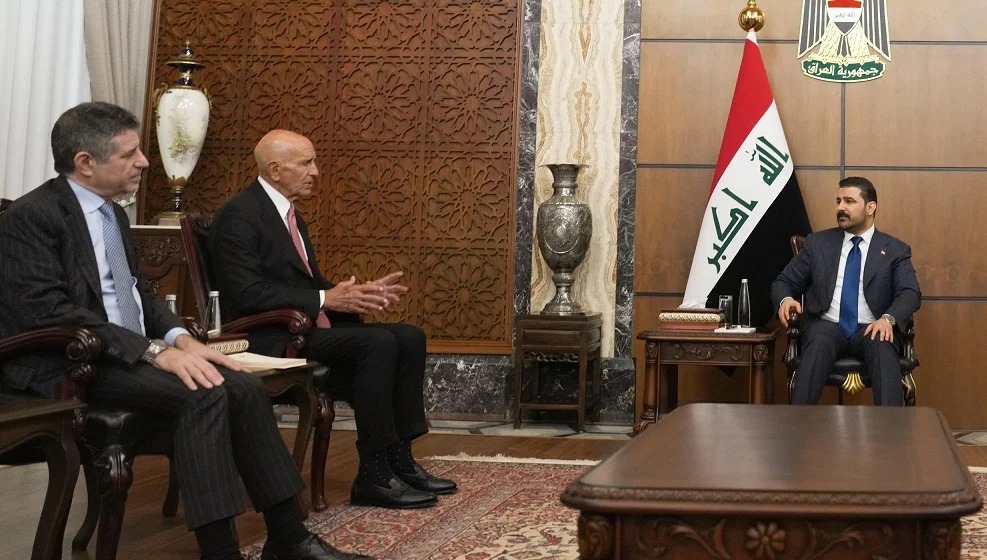
In this regard, Tom Barrack, the US President’s special envoy to Iraq, described the Iraqi prime minister’s mission to contain crises before they escalate as difficult following his meeting with Ali al-Zaidi. Al-Zaidi also emphasized in a telephone conversation with Donald Trump that Iraq would not allow any aggression against neighbouring countries to be carried out from its territory.
At the same time, reports and revelations have been published in the media and on social networks concerning the networks and economic activities of some Iraqi armed groups, particularly Kataib Hezbollah. Observers view these developments as part of efforts to question the legitimacy and reduce the standing of these groups ahead of the possibility of their involvement in a regional conflict.
**> Iran’s Role in Saving Iraq from ISIS: A Reality Baghdad Is Overlooking in Its Current Calculations
**
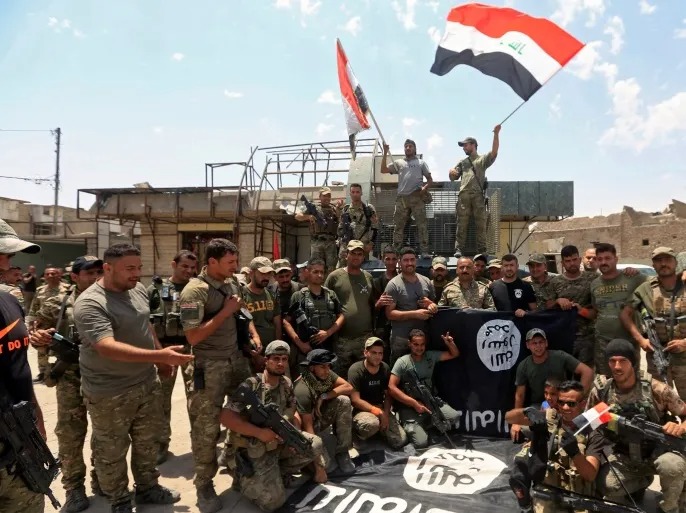
All these measures and the Baghdad government’s cautious approach toward the possibility of a conflict between Iran and the United States are taking place at a time when Iran played a fundamental role in confronting the ISIS threat and preventing Iraq’s collapse during one of the most critical periods in the country’s contemporary history.
During ISIS’s assault on Iraq and its seizure of large parts of the country’s territory, when Iraq’s security and military structures were facing a serious crisis, Iran was among the first countries to step in to assist Baghdad. Iranian forces and military advisers played an important role in confronting ISIS’s advance by providing weapons support, military advice and assistance to Iraqi forces.
Alongside the resistance of Iraqi forces, this support helped prevent the further expansion of ISIS’s influence and the collapse of the country’s security structure. In fact, Iran’s intervention and support at that time were among the factors that prevented Iraq from becoming a scene similar to Syria and the further spread of the terrorism crisis across the region.
Now, however, the Baghdad government, particularly Ali al-Zaidi, is seeking to keep Iraq away from any alignment with Iran in a possible confrontation because of concerns over the US response and the possibility of economic and political sanctions. This comes despite the fact that when Iraq’s very existence was threatened by ISIS, Iran stepped in to support the country and stood alongside Iraqi forces, in contrast to Baghdad’s current cautious approach.
From this perspective, the Iraqi government’s current approach raises important questions about Baghdad’s political priorities, as concerns over pressure from Washington and maintaining relations with the United States appear to have taken precedence under current circumstances over considerations arising from Iran’s previous support for Iraq.
The effort to remain neutral in a possible war, contain groups aligned with Tehran, and prevent any action that could give the United States an excuse to impose sanctions on Iraq demonstrates the extent to which these concerns are influencing the decision-making of Ali al-Zaidi’s government.