
Pentagon's Failure to Protect American Forces Exposed; Senior US Army Officer: Kuwait Base Was Defenseless Against Iranian Drone Attack
A US Army major who survived Iran's drone attack on the port of Shuaiba in Kuwait, exposing the extensive protective and medical weaknesses of the base, has accused military commanders and the Pentagon of failing to protect American forces.
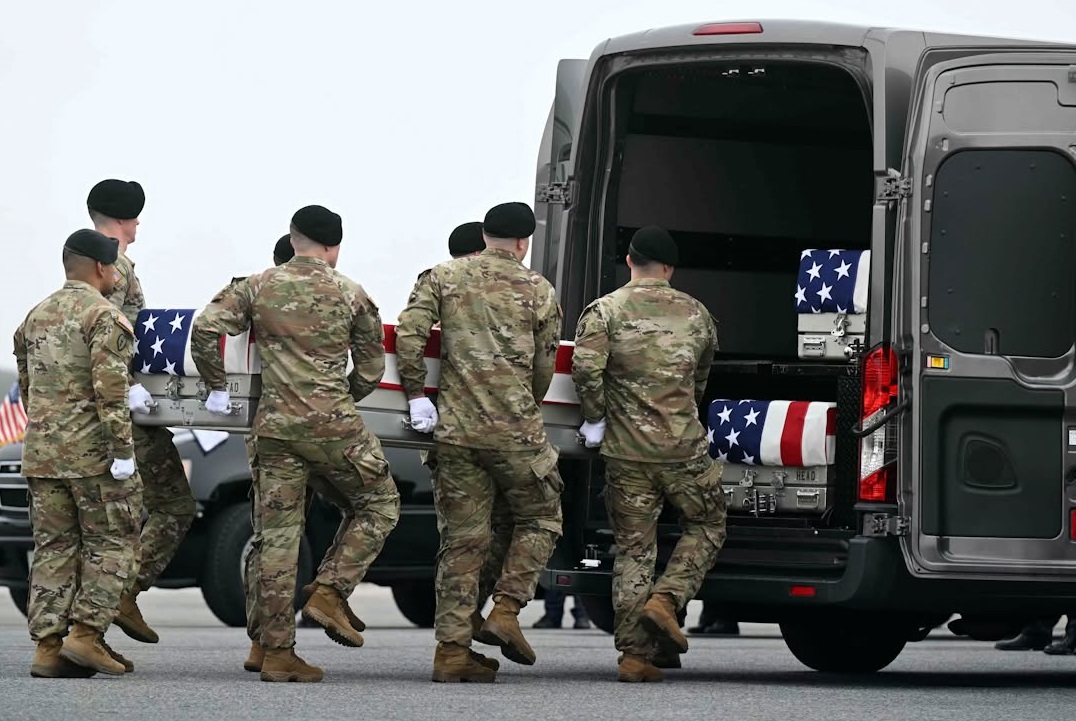
Washington: According to a Raaz News | A US Army major who survived Iran's drone attack on the port of Shuaiba in Kuwait, exposing the extensive protective and medical weaknesses of the base, has accused military commanders and the Pentagon of failing to protect American forces — a confession that once again reveals the vulnerability of Washington's military bases in the region and the consequences of the US and Israeli military aggression against Iran.
Major Steven Ramsbottom, in an interview with CBS's "60 Minutes" program, said the March 1 attack on the port of Shuaiba in Kuwait led to the killing of six American soldiers and exposed serious weaknesses in planning, readiness, and protection of forces stationed at the base.
Criticizing the performance of US Army commanders, he emphasized: The base's protective infrastructure was designed to counter ground attacks and car bombings, not aerial and drone attacks; while the risk of an Iranian attack had been identified before the operation.
Ramsbottom said: Despite repeated warnings about the need to strengthen the base's protection, senior commanders had assured him there was no cause for concern, and the promised anti-drone defense system was never deployed to the location.
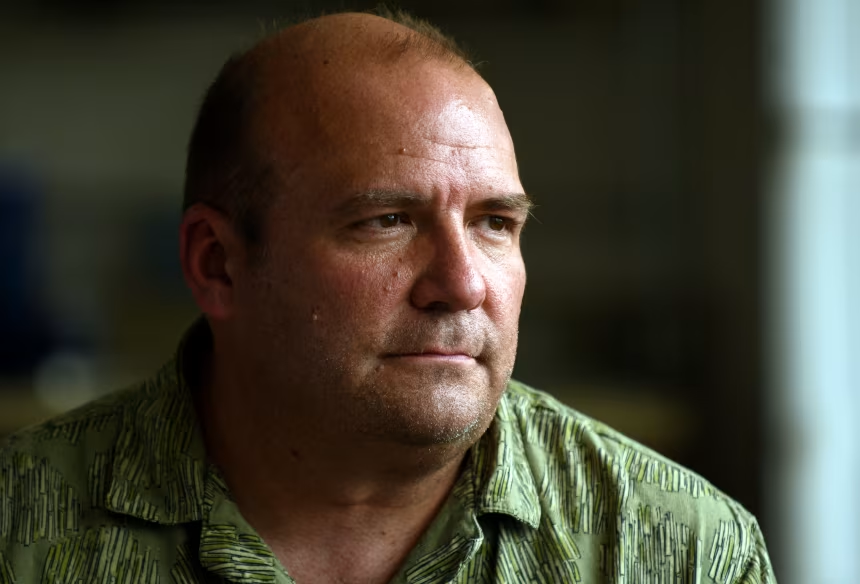
American Officer's Confession of Military Command Failure
This American officer, explaining the dimensions of his country's army failure, said: "I feel this was a tactical failure on the part of the army, our commanders, and myself. We did not plan properly, and this incident should become a lesson for the future."
He has also documented a series of serious shortcomings in force protection and emergency readiness at the base in a complaint submitted to the Armed Services Committees of the US House of Representatives and Senate.
According to this complaint, the base lacked a stationed physician, a permanent medical center, and a sufficient number of ambulances; shortcomings that during the attack seriously limited the ability to respond immediately to the wounded.
US Senator's Demand for Pentagon Accountability
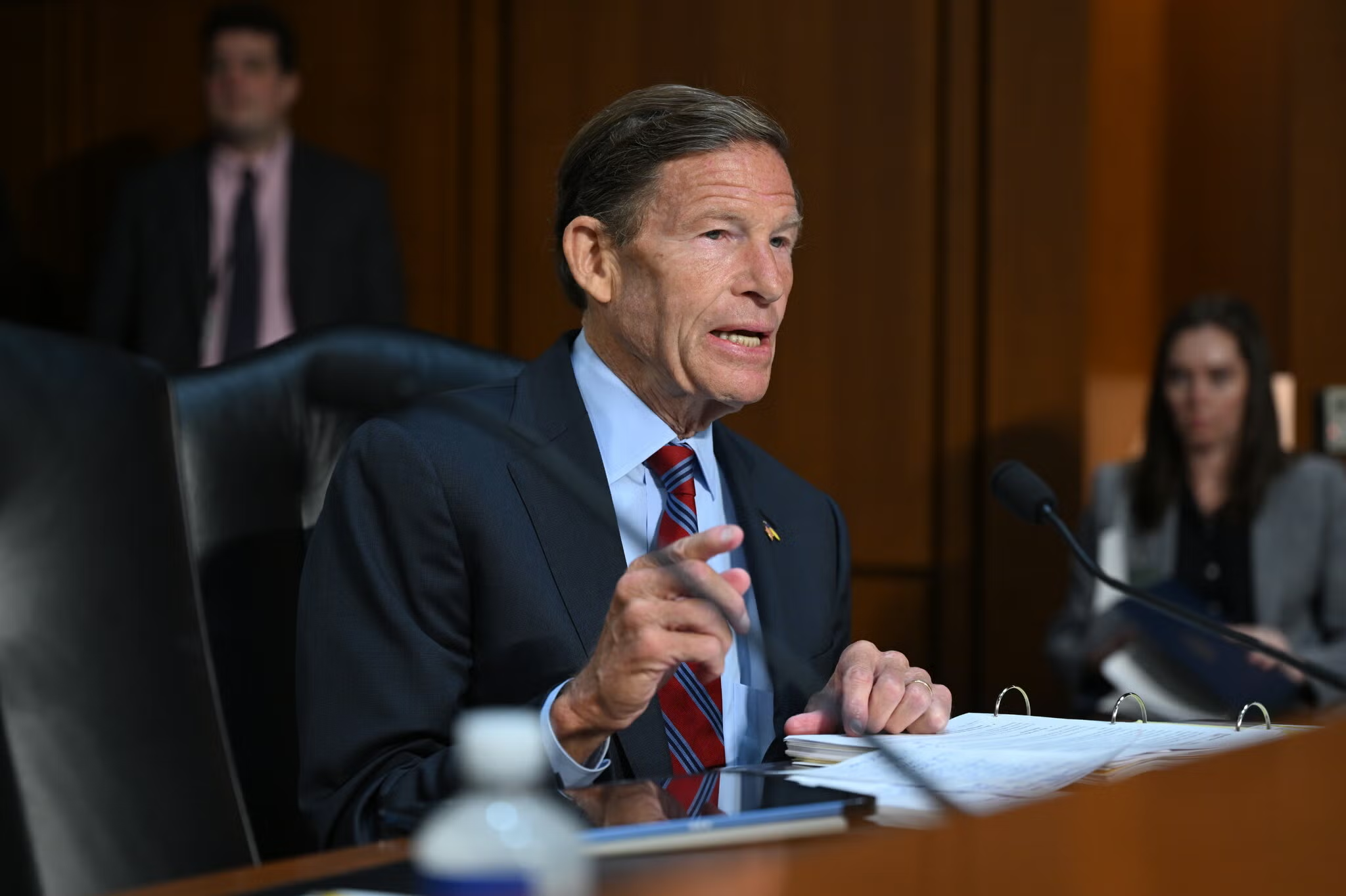
US Senator Richard Blumenthal, who has announced he reviewed Ramsbottom's complaint, called on Pete Hegseth, US Secretary of War, to release full details of the incident and the circumstances that led to the killing and wounding of American soldiers.
Blumenthal emphasized: The families of the six killed soldiers and the wounded forces have the right to know the truth of what happened at the Kuwait base, and the officials responsible for this failure must be held accountable.
In contrast, the Pentagon has refused to provide an explanation regarding the complaint of this US Army officer to the "60 Minutes" program; a silence that has increased questions about the extent of damages and the responsibility of military commanders.
The program also interviewed Joey Amor, the wife of Senior Sergeant Nicole Amor, who was killed in the attack. She considered the decisions of military commanders as the cause of the loss of American soldiers' lives and called for accountability of officials.
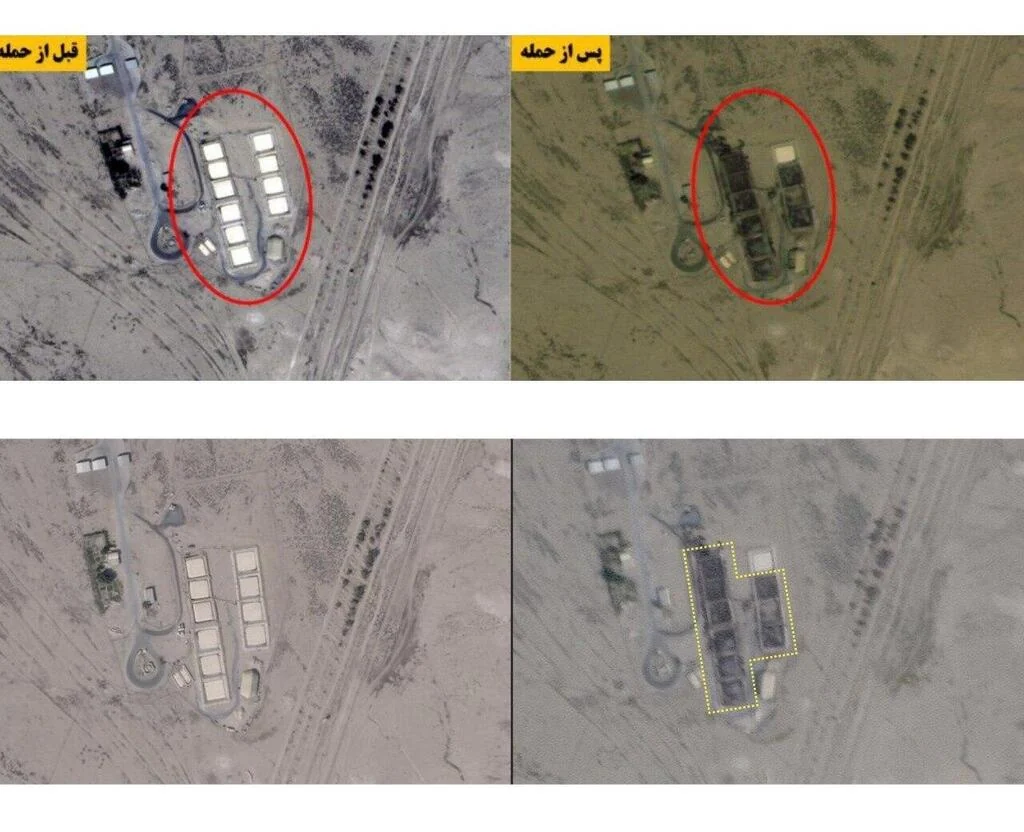
Satellite Images of the Destruction of US Military Facilities in Kuwait
Published investigations, citing satellite images and recorded videos, report Iran's attacks on at least 31 US bases and military positions in eight countries in the region since the start of the war.
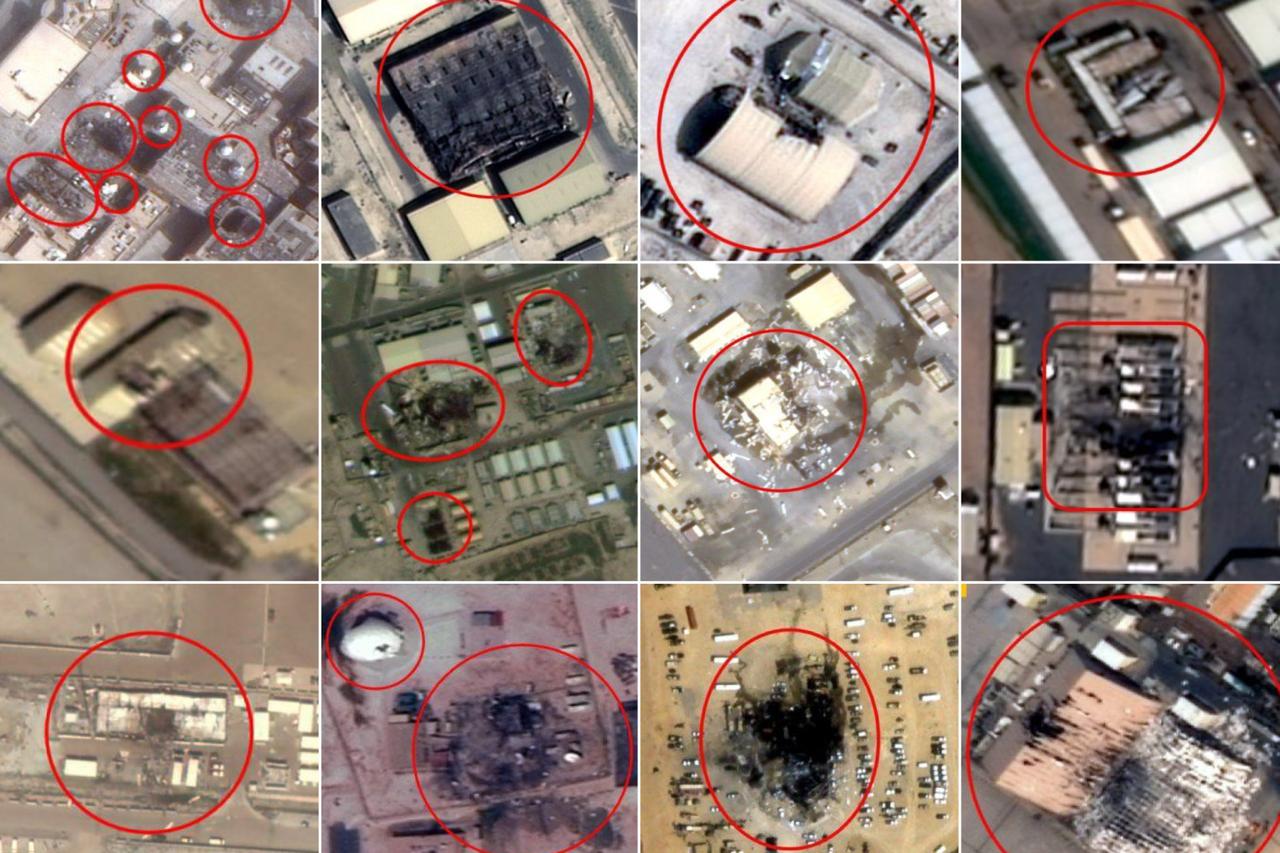
The published images of the Kuwait base have also revealed the extent of the damage inflicted. Several buildings, including a fortified shelter and facilities around the airport runway, have suffered extensive damage, and parts of the structures have been reduced to piles of rubble.
One notable image is the damage to a shelter designed to protect military forces against attacks. These images show that this structure was also hit by an Iranian drone and failed to provide the expected protection. The base's airport facilities have also suffered considerable damage.
Despite the release of these images, the Pentagon has so far not provided a comprehensive public assessment of the extent of damage to US military facilities in Kuwait, Bahrain, Qatar, the UAE, Saudi Arabia, Iraq, Oman, and Jordan.
Some American military personnel have described the severity of the destruction as so extensive that rebuilding the damaged bases could take decades. They have simultaneously criticized the Pentagon's lack of transparency regarding the continuation of Iranian drone and missile attacks on US positions in the region.
Attacking Iran in the Midst of Negotiations; The Heavy Cost of Washington and Tel Aviv's Aggression
These developments occurred in the context of a war that the US and the Israeli regime began against the Islamic Republic of Iran on February 28 — an aggression that, amid ongoing negotiations, once again exposed Washington and Tel Aviv's disregard for the path of diplomacy and the fundamental principles of international relations.
Forty days of Iran's resistance and defensive operations eventually forced the US and Israel to accept a ceasefire on April 8. Iran's control of the Strait of Hormuz and its attacks on US strategic targets in the region were among the most important factors in changing the balance on the battlefield.
However, Washington in July once again, while violating the ceasefire, launched extensive airstrikes against Iran and simultaneously imposed a naval blockade; actions that, according to the presented text, were carried out in violation of the Islamabad Memorandum of Understanding dated June 17 to end the war.
Iran, in response, carried out heavy attacks against US strategic targets in West Asia and announced restrictions on maritime traffic in the Strait of Hormuz.
US Bases; From the Illusion of Immunity to the Revelation of Vulnerability
Major Ramsbottom's confession about the lack of adequate shelters, anti-drone systems, and medical facilities is not merely an expression of a technical defect at the Kuwait base; these remarks provide a picture of the gap between America's claim of military superiority and the reality of the vulnerability of its forces to precise and continuous attacks.
The attack on the Shuaiba base and the damage inflicted on US positions in the region show that the era of the illusion of immunity of Washington's bases in West Asia has come to an end. The US and Israeli military aggression against Iran, in the midst of the negotiation process, not only endangered regional security but also brought heavy costs for the military forces and interests of Washington in the region.