
70 Israeli Ground Incursions into Southern Syria Recorded in Two Weeks; Jolani's Inability to Confront Tel Aviv's Occupation
A human rights monitoring group has reported recording approximately 70 cases of Israeli military infiltration and ground incursions into southern Syria over two weeks.
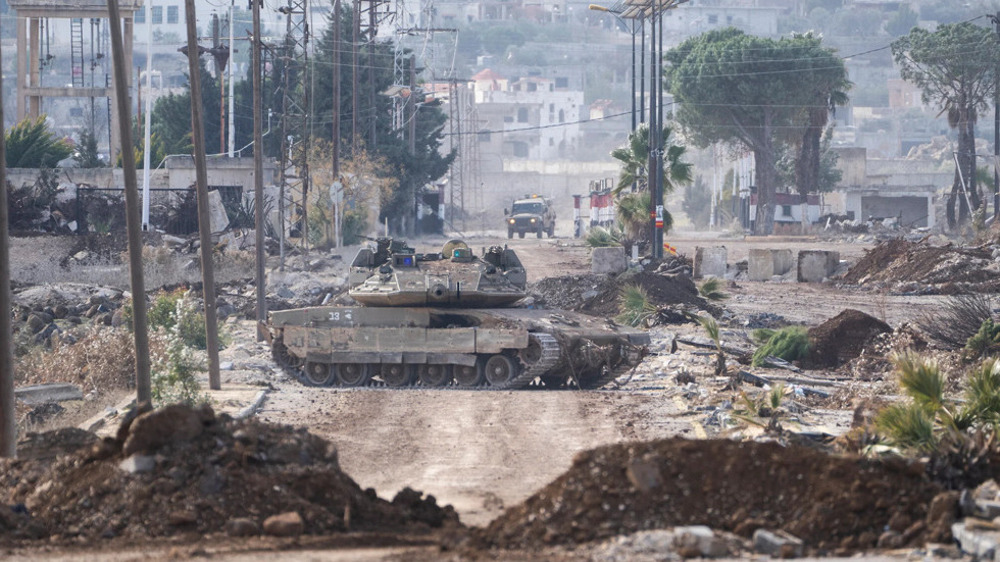
Damascus: According to Raaz News | A human rights monitoring group has reported recording approximately 70 cases of Israeli military infiltration and ground incursions into southern Syria over two weeks — movements that indicate the expansion of Tel Aviv's aggressions into Syrian territory and continue amid the silence and inability of the Jolani government to confront Israeli occupation.
According to the Syrian Observatory for Human Rights, based in the UK, Israeli forces have infiltrated southern areas of the country about 70 times from November 1 to 14. The main focus of these movements has been in Quneitra province, the Yarmouk Basin, the Wadi al-Raqad areas west of Daraa province, and areas around Mount Hermon in the Damascus countryside.
According to the group's report, the incursions included military patrols in towns and villages, setting up temporary checkpoints, entering homes, searching houses, and inspecting citizens' identity documents. Israeli soldiers have also blocked several secondary roads with earth barriers — actions that have disrupted local people's movement and intensified an atmosphere of insecurity and intimidation in these areas.
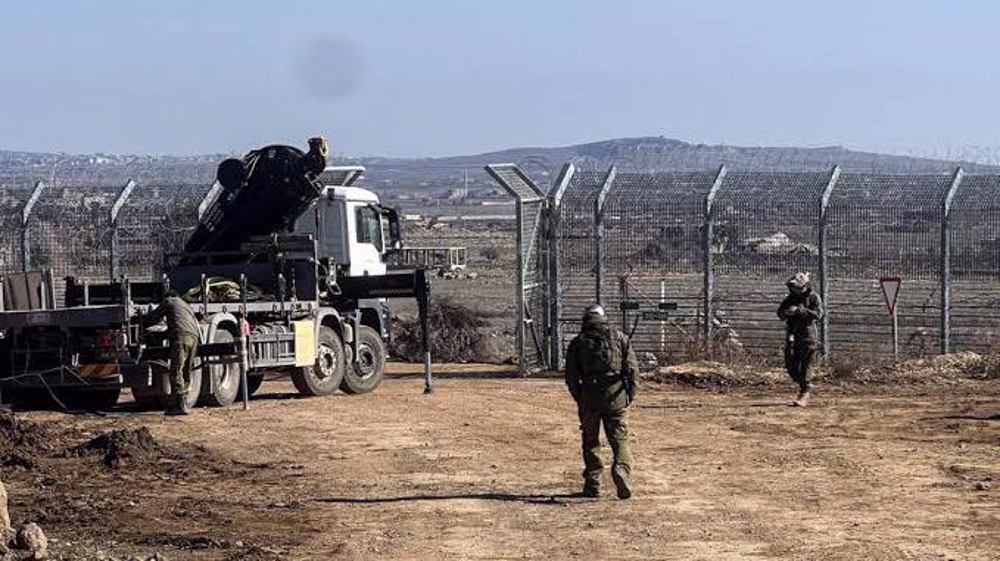
Incursion into Jbabta al-Khashab and Arrest of Syrian Citizens
In the latest case, Israeli soldiers raided the town of Jbabta al-Khashab in northern Quneitra province on Friday evening and searched several homes and shops.
Syria's official news agency, SANA, reported that Israeli forces arrested three people and damaged several shops during this operation. The Syrian Observatory for Human Rights announced that Israeli soldiers withdrew from the area on Saturday after releasing two detainees, and the third person was also later released.
These incursions continue as the entry of Israeli military forces into Syrian residential areas, searching homes, setting up barriers, and arresting citizens directly targets the country's national sovereignty and the security of its people.

Israeli Aggressions After the Fall of Assad's Government; Violation of the 1974 Ceasefire Agreement
Since the fall of Bashar al-Assad's government in December 2024, the Israeli army has expanded its air and ground attacks on Syrian territory. The regime's airstrikes have mainly targeted military facilities, bases, ammunition depots, and equipment previously belonging to the Syrian army.
Quneitra, Daraa, and the Damascus countryside have been the main focus of these attacks, and according to reported data, about 80 percent of recorded Israeli attacks in Syria have been concentrated in these areas.
Tel Aviv has also, by ending the 1974 ceasefire agreement and exploiting Syria's political and security turmoil, increased the scope of its military presence and operations in southern areas of the country — a process that has faced widespread reactions and criticism.

Fruitless Diplomacy and the Jolani Government's Inability to Curb Aggressions
The continuation of Israeli military infiltrations has not stopped even after a high-level diplomatic meeting in Jordan in August — a meeting attended by Asaad al-Shaibani, the senior representative of the government ruling Syria, and Roman Gofman, head of Mossad.
Despite these contacts and diplomatic movements, Israeli soldiers continue to raid southern Syria, arrest citizens, close roads, and violate people's privacy.
This situation has highlighted the obvious weakness of the Jolani government in defending Syria's sovereignty and territorial integrity. As the country's people grapple with the consequences of years of war and instability, the continuation of Israeli aggressions and the lack of an effective response from Damascus's rulers have increased concerns about the consolidation of Tel Aviv's military presence in southern Syria.
Southern Syria Under the Shadow of Occupation; The People as Victims of Israel's Expansionism
About 70 military incursions in just two weeks provide a clear picture of the dimensions of Israel's military pressure on southern Syria. Patrolling villages, searching homes, arresting citizens, and blocking communication routes are not merely limited military movements but directly target the security and daily lives of the Syrian people.
While the Syrian people expect their country's sovereignty to defend its soil and citizens, the continuation of Israeli aggressions and the lack of deterrent action by the Jolani government have paved the way for further advances of Tel Aviv's occupation policies — a situation that highlights more than ever the necessity of ending the aggressions and defending Syria's independence and territorial integrity.