
Hezbollah: Iran Proved the US Is No Longer a Superpower; Washington and Tel Aviv's Crimes Will Lead to Their Defeat
The head of Hezbollah's Political Council, emphasizing that the Islamic Republic of Iran has managed to expose the limits of US military and political power, said Iran has proven that a country exists that can stand up to Washington and show it that the era of American superpower has ended.
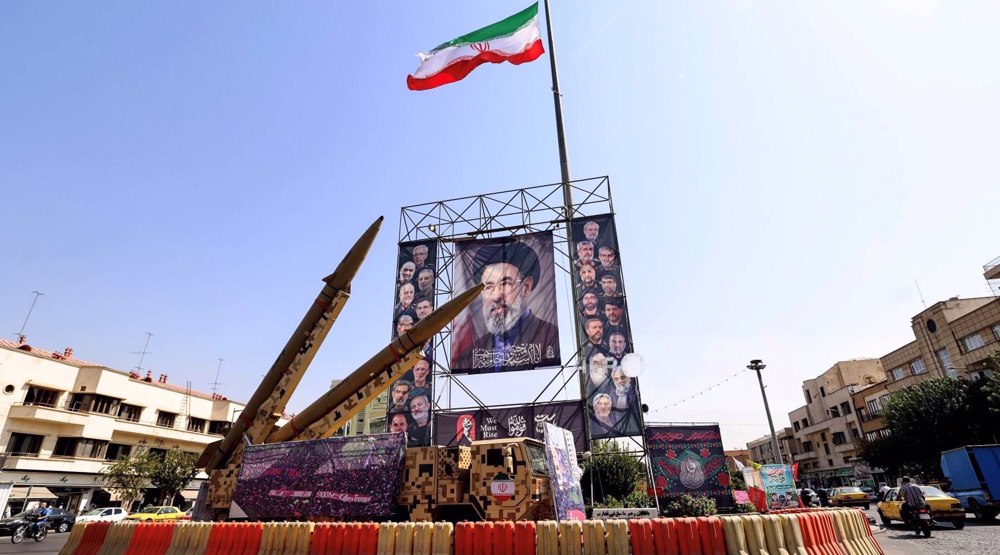
Beirut: According to Raaz News | The head of Hezbollah's Political Council, emphasizing that the Islamic Republic of Iran has managed to expose the limits of US military and political power, said Iran has proven that a country exists that can stand up to Washington and show it that the era of American superpower has ended.
Sayyed Ibrahim Amin Al-Sayyed, head of Hezbollah's Political Council, said in an interview with Al-Manar television network on Saturday: Developments in Iran, Lebanon, and Yemen have changed the path of nations across the world, relations between countries, and the course of confrontation in the international arena.
Referring to Iran's confrontation with the US-Israeli axis, he emphasized: The Islamic Republic has been able to reveal the dimensions and limits of Washington's military and political power before the eyes of the world.
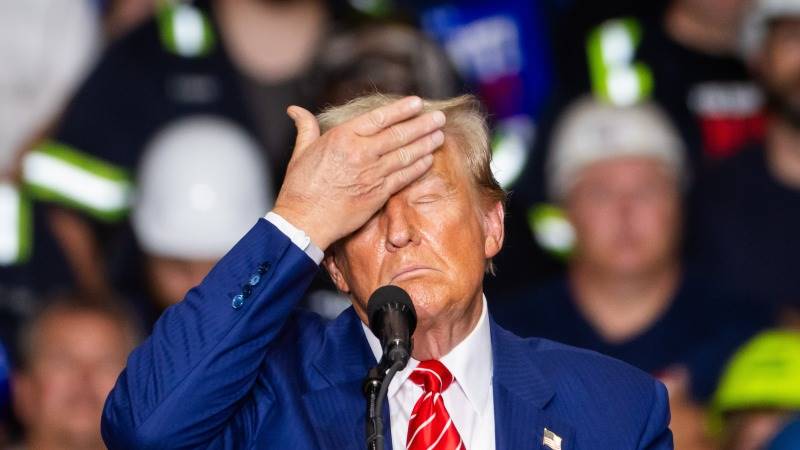
Failure of America's Strategy and Trump's Failure to Revive Washington's Power
Al-Sayyed, referring to the policies of US President Donald Trump, said: Trump was trying to revive America's lost greatness, but on this path, he faced a major defeat.
The head of Hezbollah's Political Council also referred to the US political atmosphere and said: For the first time in this country's history, the elections were shaped around opposition to or support for the attack on Iran — a matter that, according to him, indicates the impact of Iran's developments on America's political equations and public opinion.
He also spoke of the change in the positions of some European countries toward Tel Aviv and emphasized that for the first time, we have witnessed an apparent stand by European countries against Israel.
Al-Sayyed further warned: Washington and Tel Aviv will eventually face the consequences of their actions, and the horrific crimes of America and Israel in Palestine, Iran, Lebanon, and Yemen will be the cause of the destruction of the perpetrators of these crimes.
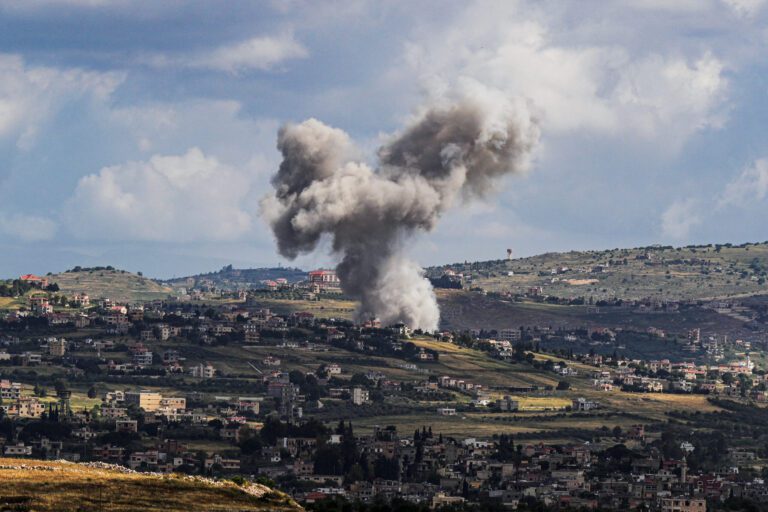
Israel's Wars Against Lebanon; Without Security Gains or Stability
The head of Hezbollah's Political Council, in another part of his remarks, addressed Israel's military aggressions against Lebanon and emphasized that the regime's wars have not achieved its declared objectives, and military attacks have not brought security and stability to Israel.
These remarks come as, despite the ceasefire agreement, Israeli attacks and aggressions against Lebanon continue, and repeated violations of ceasefire commitments have threatened the country's security and sovereignty.
Al-Sayyed also criticized Lebanese domestic currents calling for a monopoly on weapons in the hands of the state and added: Such positions in practice align with Israel's interests — especially in circumstances where the regime's military threats still target Lebanon.
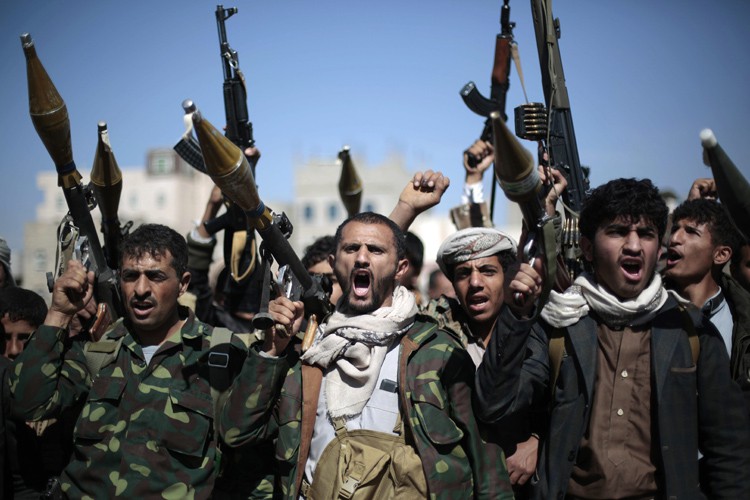
Praise for Yemen's Stand in Support of Palestine
The Hezbollah official further referred to Yemen's position in support of the Palestinian people and praised the steadfastness of the country's people.
He said: "The great and steadfast Yemeni nation has paid a heavy price in confronting the Israeli regime and declaring solidarity with the Palestinian people."
Al-Sayyed also called on Saudi officials to review their policy toward Yemen and emphasized: Accepting the demands of the Yemeni people will bring more benefits to Riyadh than continuing hostility toward this nation and destroying their country.
Regional Resistance and Changing Power Equations
The remarks of the head of Hezbollah's Political Council come as developments in recent years in Iran, Lebanon, Palestine, and Yemen have once again brought the issue of America's and Israel's power and influence in the region into focus.
Iran's steadfastness against the US-Israeli axis, Lebanon's resistance to military aggression, and Yemen's support for Palestine are part of a process that has influenced regional and international equations — a process in which the continuation of attacks and ceasefire violations by Israel has not only failed to end the crisis but has further emphasized the need for accountability for crimes and respect for the sovereignty of the region's nations.