
Public Outrage in Bahrain After Heavy Sentences Against 53 Shia Scholars and Religious Figures; Life Imprisonment for 49, Including Ayatollah Isa Qassim
The issuance of heavy judicial sentences against dozens of Shia scholars and religious figures in Bahrain has sparked a wave of anger and protest among the country's people — sentences handed down in the framework of a mass trial and in circumstances where human rights organizations have reported torture of defendants, forced confessions, and blatant violations of their rights to defense.
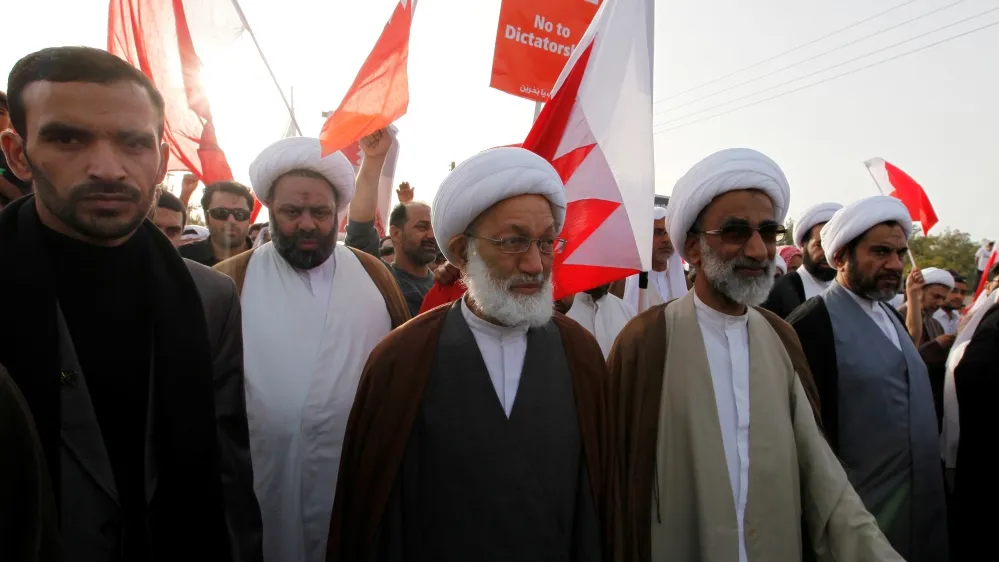
Manama: According to Raaz News | The issuance of heavy judicial sentences against dozens of Shia scholars and religious figures in Bahrain has sparked a wave of anger and protest among the country's people — sentences handed down in the framework of a mass trial and in circumstances where human rights organizations have reported torture of defendants, forced confessions, and blatant violations of their rights to defense. Simultaneously, the committee organizing the "Day of Public Rage" has called on people to take to the streets, demanding protest against the trial of scholars and the war against Shia identity and religion.
Al-Wefaq Society, Bahrain's largest opposition movement, announced on Monday that the country's court has sentenced 49 Shia religious figures to life imprisonment and four others to 15 years in prison. These sentences collectively cover 53 prominent scholars, eulogists, and religious figures, and Ayatollah Sheikh Isa Qassim, one of Bahrain's most prominent Shia scholars, is among those sentenced to life imprisonment.
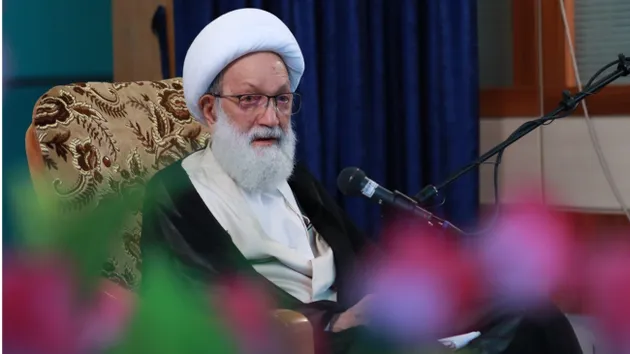
Life Imprisonment for Ayatollah Isa Qassim; A Prominent Figure of Bahrain's Popular Resistance
According to Al-Wefaq's announcement, Ayatollah Isa Qassim's life sentence was issued in absentia; he is one of the prominent religious figures and one of the main supporters of Bahrain's popular protests in 2011 — protests that took shape with demands for political reform, justice, and civil rights and faced widespread repression by security forces.
Among the others sentenced to life imprisonment are the names of Mohammad Hadi Al-Gharifi and Musa Jawad Al-Wadaei, two Shia clerics arrested on May 9 of this year and still in prison.
Also, Sheikh Ali Al-Jafiri, Sheikh Ali Al-Mustarshid, Sheikh Aziz Al-Khadran, and Ahlul Bayt eulogist Mahdi Sahwan were each sentenced to 15 years in prison.
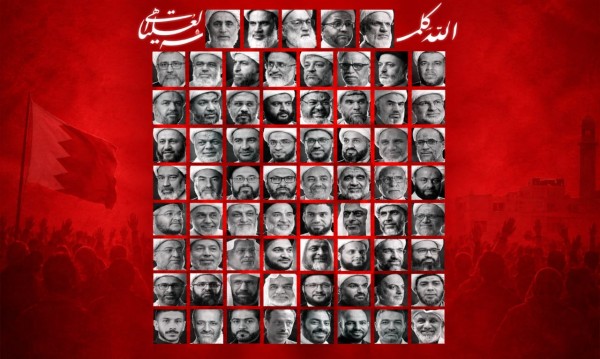
Mass Trial of 69 Defendants Amid Serious Human Rights Concerns
The judicial case in question has a total of 69 defendants, 60 of whom are Shia clerics and nine others are individuals associated with them, including religious eulogists. According to a joint statement by Human Rights Watch, Amnesty International, and a number of other human rights organizations, 56 of the defendants were detained inside Bahrain, and 13 clerics were tried in absentia.
These organizations had previously warned about the handling of the case and expressed concern over reports of torture and ill-treatment of defendants, extraction of confessions under pressure, and defense lawyers' deprivation of adequate access to case documents.
Security Accusations Against Clerics; A Cover for Suppressing Religious Activities?
Bahrain's Ministry of Interior announced on May 10 of this year, citing baseless accusations against Shia scholars, that it had arrested 41 people inside the country and that 11 others were abroad.
However, the issuance of heavy sentences for dozens of religious figures in a case of such dimensions — especially in circumstances where independent human rights organizations have expressed concern over violations of defendants' rights and the presentation of religious activities as part of the case documentation — has raised serious questions about judicial justice and the political motives behind this process.
Call for a Day of Public Rage; Bahrain's People Called to the Streets
Simultaneously with the issuance of the sentences, the committee organizing the "Day of Public Rage" in its statement number 10 called on the people of Bahrain to join the protests from Sunday evening and throughout Monday. This call was issued after the court changed the date of the scholars' trial session from November 22 to November 16 — that is, Monday.
The committee considered the sudden change in the trial date an act to surprise public opinion and politically exploit regional conditions, and emphasized that the trial of Shia scholars is in fact an assault on the religion and identity of a community.
The statement called on people to make their voices heard by holding widespread and continuous protests in cities, villages, and various regions, and to take to the squares in defense of the scholars and in confrontation with the "existential war against the Shia sect." The committee also warned that moving the court date forward or postponing it will not silence the protesters' voices.
In conclusion, the body warned Bahrain's rulers that reliance on repressing the people and their scholars will lead to nothing but defeat, and that continuing confrontation with the country's Shia majority will be a crisis whose consequences the ruling system will not be safe from.
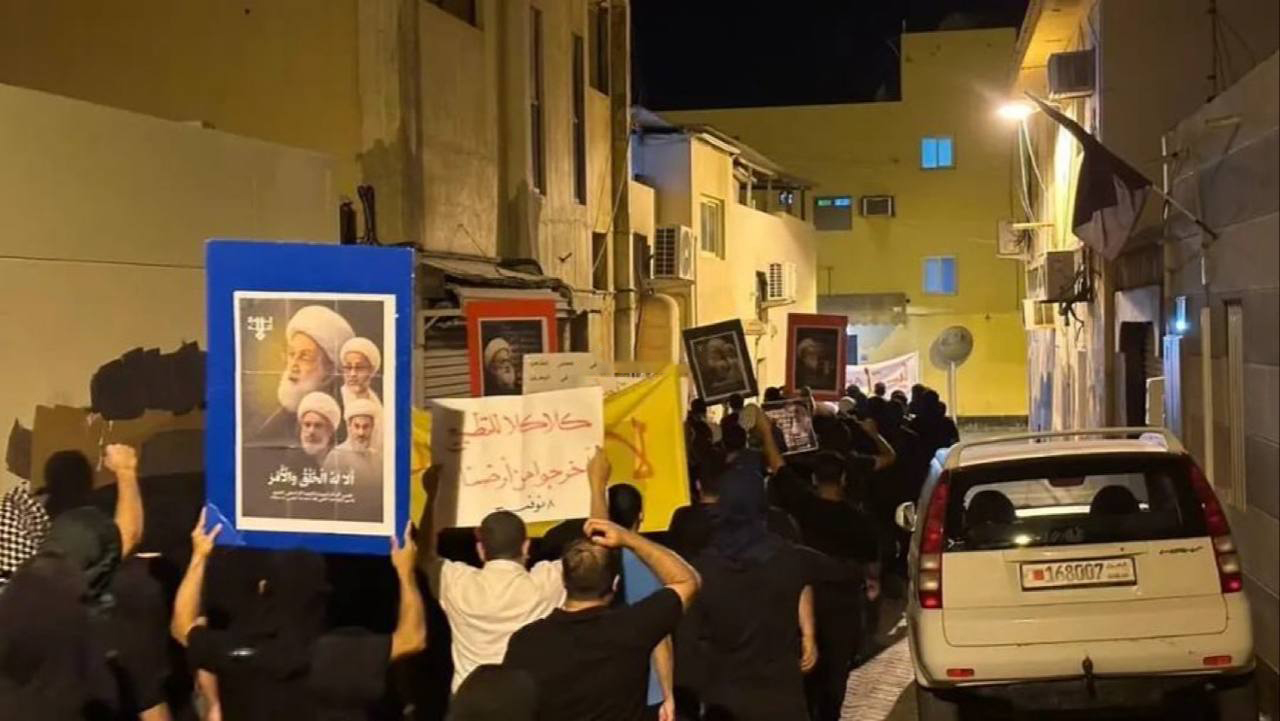
Bahrain; Shia Resistance Against Injustices
The issuance of life sentences for dozens of religious figures, including Ayatollah Isa Qassim, alongside human rights reports of torture, forced confessions, and restrictions on the right to defense, has once again brought the case of political and religious repression in Bahrain into the focus of public opinion.
For Bahrain's protesting people, this case is not merely the trial of a few religious figures; rather, it is a matter related to religious freedom, human dignity, and the right to justice. Therefore, the call for a Day of Public Rage has also been raised with emphasis on defending the scholars and opposing the security approach to Shia identity.
The continuation of this process, instead of silencing the people's demands, can deepen the gap between society and the ruling system. Trying and imprisoning scholars — especially when accompanied by serious legal ambiguities and documented reports of violations of defendants' rights — will not be a sign of judicial authority but a factor in intensifying public distrust and protest.