
New Saudi Attacks on Yemen's Civilian Infrastructure: One Martyred and Nine Wounded in Bombing of Sanaa's Oil Company and Fuel Station
Saudi fighter jets, in a new wave of airstrikes on Yemen's capital, targeted the building of the country's Oil and Gas Company and a fuel station in the Bani Al-Harith area of Sanaa.
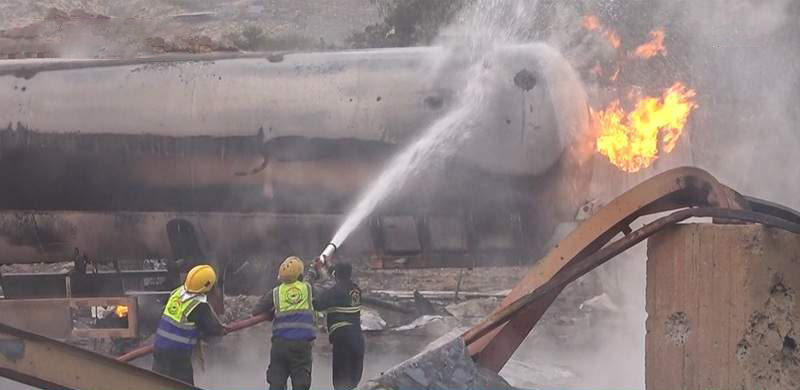
Sanaa: According to Raaz News | Saudi fighter jets, in a new wave of airstrikes on Yemen's capital, targeted the building of the country's Oil and Gas Company and a fuel station in the Bani Al-Harith area of Sanaa — attacks that led to the martyrdom of one citizen and the wounding of nine others, and caused damage to residential homes and citizens' property in the vicinity of the targeted areas.
Al-Masirah television network, citing local sources, reported that Saudi fighter jets bombed on Tuesday morning, November 10, 2026, the building belonging to Yemen's Oil and Gas Company on Al-Sitin Southern Street, located in the Al-Wahda area of Sanaa. In a separate attack, the "Al-Mafzar" fuel station in the Jadr area, affiliated with the Bani Al-Harith district north of the capital, was targeted by an airstrike.
Dr. Anis Al-Asbahi, spokesperson for Yemen's Ministry of Health and Environment, detailing the consequences of these attacks, announced that in the bombardment of the Al-Mafzar fuel station, one citizen was martyred and three others were wounded. He added that relief forces and relevant agencies immediately arrived at the scene and transported the injured to medical centers for treatment.
Six wounded in attack on Yemen's Oil Company building
Al-Asbahi further reported the wounding of six other citizens in the Saudi fighter jets' attack on the Oil Company building in the southern Al-Sitin area, in the Al-Wahda district of Sanaa.
According to the Yemeni Health Ministry spokesperson, this attack, in addition to damaging the Oil Company building, also caused damage to a number of homes and residential properties nearby. Thus, the total human toll of the two attacks reached one martyr and nine wounded.
Images published from the site of the attack on the building of Yemen's Oil and Gas Company show flames and thick smoke rising following the bombardment — a scene that once again reveals the dimensions of airstrikes on the service and economic infrastructure of Yemen's capital.
Targeting fuel and energy supply centers; pressure on people's daily lives
The attack on the fuel station and the building of Yemen's Oil Company comes at a time when these centers play a fundamental role in supplying the fuel and energy needed by citizens, the operation of service centers, and the continuation of people's daily lives.
Targeting such infrastructure, in addition to direct damage, can disrupt the supply of petroleum products and essential services and impose greater pressure on a people who have been grappling for years with the consequences of war, siege, and economic crisis.
These attacks come as Yemen's civilian and service infrastructure has been repeatedly subjected to airstrikes over the past years — a process whose effects extend from the destruction of public facilities to making it more difficult for people to access fuel, healthcare services, and basic needs.
Saudi reconnaissance drone downed over Al-Jawf
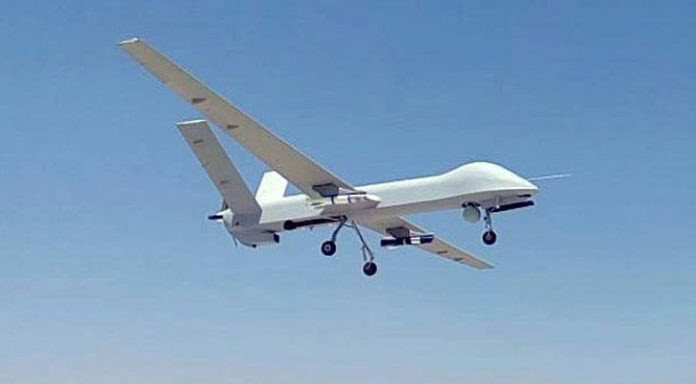
Simultaneously with the airstrikes on Sanaa, the spokesperson for Yemen's armed forces announced the downing of a CH-4 reconnaissance drone belonging to the Royal Saudi Air Force.
According to the Yemeni armed forces' statement, the country's air defense systems identified and downed the Chinese-made CH-4 drone while it was conducting hostile actions in the airspace of Al-Jawf province.
This development comes as military tensions between Saudi Arabia and Yemen have once again intensified, and alongside Saudi airstrikes on various regions of Yemen, the country's armed forces emphasize continuing to confront aggression and defend their airspace.
Continued war and siege; the context of escalating confrontation
The new wave of attacks on Sanaa comes amid tensions that intensified after Saudi Arabia's attack on Sanaa International Airport in July. Following these developments, Yemen's armed forces carried out attacks against airports, oil facilities, and oil tankers linked to Saudi Arabia, and raised the equation of "siege for siege" as part of the response to military actions and imposed restrictions against the country.
Saudi Arabia, in March 2015, by launching a large-scale military operation against Yemen, sought to return the Riyadh-backed government to power in Sanaa and simultaneously imposed a widespread siege on the country — a war that led to one of the world's most severe humanitarian crises and left hundreds of thousands of victims.
More than a decade after the start of the war, Yemen's humanitarian and economic crisis continues, and new attacks on civilian infrastructure have further darkened the prospect of reducing the suffering of the country's people.
In such circumstances, Yemen's armed forces have emphasized continuing to confront Saudi attacks and implementing the equation of "siege for siege" and "escalation for escalation" — an equation that, from Sanaa's perspective, will continue until the attacks stop and the siege of Yemen is lifted.