
US Drone Downed in Southern Iranian Waters; IRGC Announces Destruction of US Early Warning Radar in Bahrain
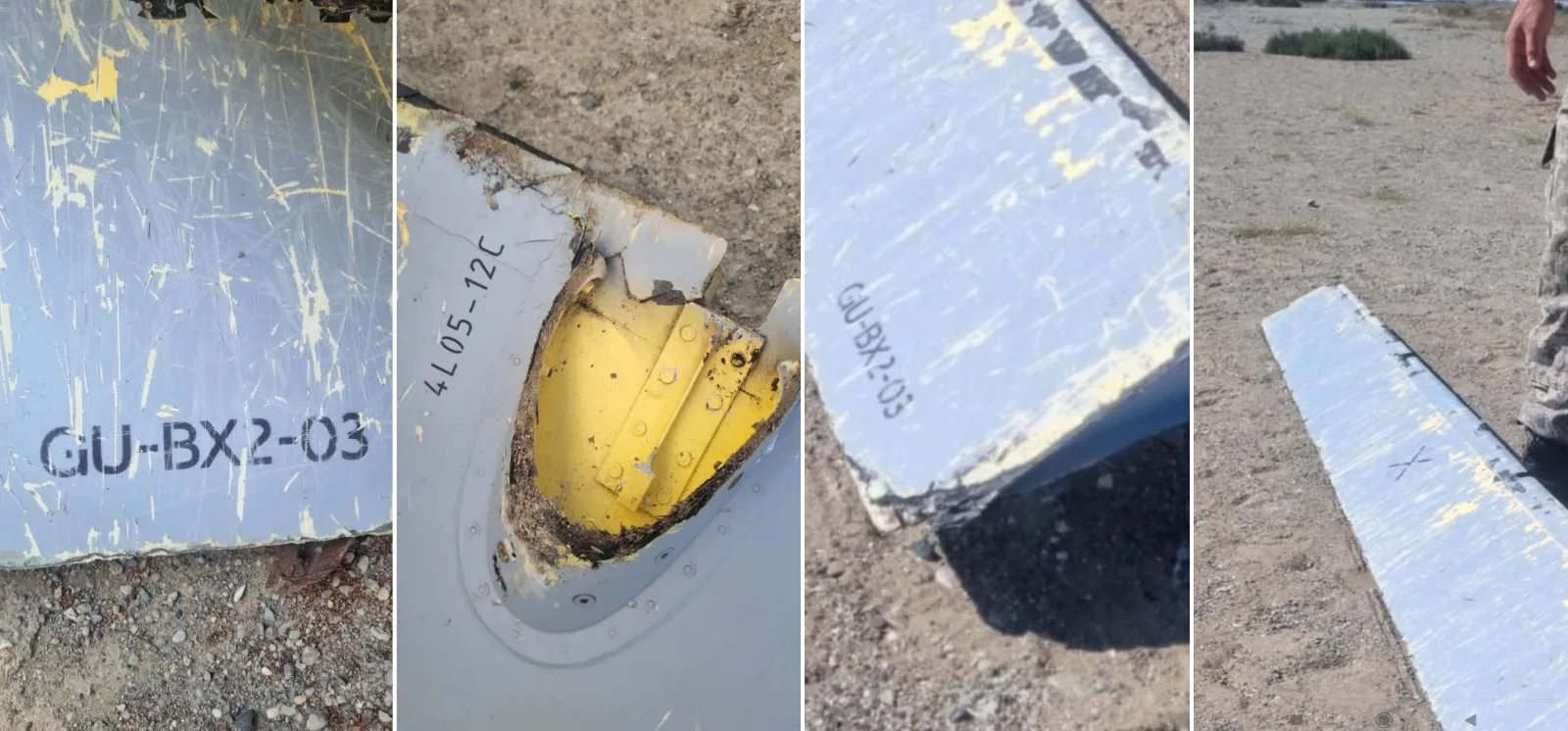
The Navy of the Islamic Republic of Iran has announced the downing of a US MQ-1 drone in the Kuhistak area of Sirik Island. Simultaneously, the Islamic Revolutionary Guard Corps (IRGC) announced that, in response to an attack on the island's telecommunications tower, it has destroyed a US military early warning radar in Bahrain.
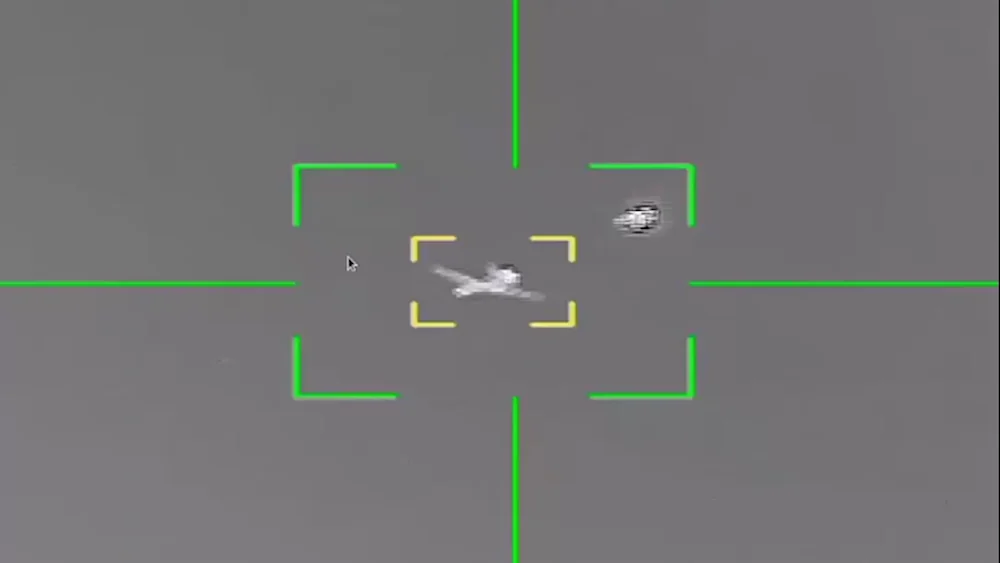
Tehran: According to Raaz News | The Navy of the Islamic Republic of Iran has announced the downing of a US MQ-1 drone in the Kuhistak area of Sirik Island. Simultaneously, the Islamic Revolutionary Guard Corps (IRGC) announced that, in response to an attack on the island's telecommunications tower, it has destroyed a US military early warning radar in Bahrain.
The Public Relations of the Islamic Republic of Iran's Army announced that the Army Navy has downed a US drone of the MQ-1 type in the Kuhistak area of Sirik Island.
In the Army's statement, it is emphasized that the country's armed forces will act decisively in defending the integrity of the Islamic Republic of Iran, its maritime borders, and national interests, and will not yield to threats.
Destruction of US Early Warning Radar in Bahrain
In another development, the Islamic Revolutionary Guard Corps announced the destruction of a US military early warning radar in Bahrain.
According to the IRGC's statement, this operation was carried out in response to the attack on a telecommunications tower on Sirik Island. The IRGC considered this action a serious warning to Washington and called for an end to US aerial movements and activities related to oil smuggling in the Strait of Hormuz.
The IRGC also emphasized that its Aerospace Force, with full readiness, has the capability to respond to threats at any geographical point.
Experience of the Recent War and the Possibility of Increasing the Range of Iran's Missiles
Simultaneously with these developments, Ali Balali, an advisor to the Commander of the IRGC Aerospace Force, stated in an interview with RIA Novosti on November 13 that Iran, relying on the military experience gained in confronting the US, has the capability to increase the range of its missiles.
Balali explained that this confrontation provided an opportunity to develop Iran's missile and drone capabilities, assess the performance of military systems, and improve their efficiency.
Emphasizing that Iran has not set a specific ceiling for the range of its missiles, he said that changing conditions could create the necessity to increase the range of these weapons. He also emphasized Iran's capability to deliver weapons to any point or designated target.
Display of 3,500-Kilometer Missiles and 30-Hour Drones
The advisor to the Commander of the IRGC Aerospace Force further referred to the weapons exhibition held in Tehran coinciding with IRGC Aerospace Force Week, saying that missiles with a range of 2,000 to 3,500 kilometers and drones with an endurance of up to 30 hours in the sky were displayed at this exhibition.
According to Balali, air defense systems and satellite carriers capable of reaching an altitude of 500 kilometers were also among the equipment presented at this exhibition.
Iran's Deterrence Message Against Continued Threats
These developments come as the US and Israeli military aggression against Iran began while Tehran was on the path of negotiations and pursuing diplomatic solutions. The military attacks by Washington and Tel Aviv brought the region into a new phase of tension and led to Iran's defensive reactions.
The announcement of the downing of a US drone in the south of the country, the destruction of a US military radar in Bahrain, and the IRGC official's emphasis on the capacity to develop missile ranges reflect a set of Tehran's military messages about maintaining defense capabilities and responding to threats — messages that emphasize Iran's readiness to defend its sovereignty, borders, and national interests.