
Pakistan Suspends Trade With Iran as US Military Activity Near Karachi Raises Questions Over Islamabad’s Role
Pakistan’s suspension of trade through two key border crossings with Iran, coupled with reported US naval aviation activity near Karachi and a new airspace restriction, has raised questions about Islamabad’s regional priorities.
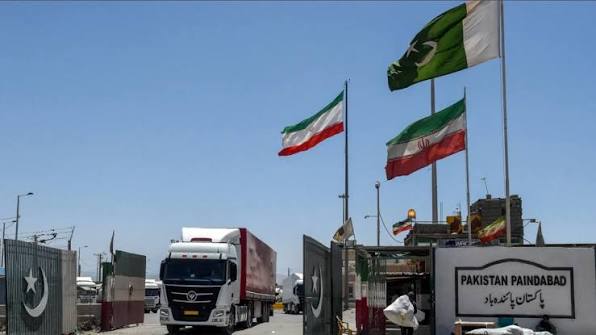
Pakistan’s Ministry of Commerce has suspended trade through the official Gabd–Rimdan and Taftan border crossings with Iran until further notice. The decision comes as the Gabd–Rimdan crossing had become a major route for Pakistan’s energy supplies, particularly liquefied petroleum gas (LPG), with more than 4,000 tonnes reportedly imported through the crossing each day.
Border Shutdown Sparks Concerns Over Energy Supplies
Shahid Rind, adviser on media and political affairs to Balochistan Chief Minister Sarfraz Bugti, said the temporary closure was intended to address security concerns, combat smuggling and improve border management.
Rind added that senior officials from both countries were continuing discussions to resolve administrative issues and expressed the possibility that the border could reopen soon.
Iranian Foreign Ministry spokesman Esmail Baqaei also described the disruption as temporary, attributing it to technical issues. He said Tehran and Islamabad were consulting to resolve the problem and restore normal operations.
However, the suspension has already raised economic concerns. Reports indicate that hundreds of trucks carrying LPG, rice, fresh fruit and other essential commodities have been stranded on both sides of the border. The Quetta Chamber of Commerce and Industry has advised businesses engaged in trade with Iran to suspend new import and export orders until further notice.
Local traders have warned that a prolonged disruption could worsen LPG shortages in Karachi and other parts of Pakistan, drive up prices in the open market and inflict substantial economic losses.
The suspension comes despite efforts by Islamabad and Tehran since March to facilitate cross-border trade, streamline customs procedures and develop transit routes to expand bilateral commerce.
In early August, an Iranian delegation led by Industry, Mine and Trade Minister Mohammad Atabak visited Islamabad for the 10th session of the Pakistan–Iran Joint Trade Committee. Both sides emphasized expanding trade relations, keeping border crossings operational around the clock, improving logistics and harmonizing customs procedures.
The renewed suspension of commercial activity along a key trade route has now cast uncertainty over those commitments.
New NOTAM Restricts Airspace Over Southern Pakistan
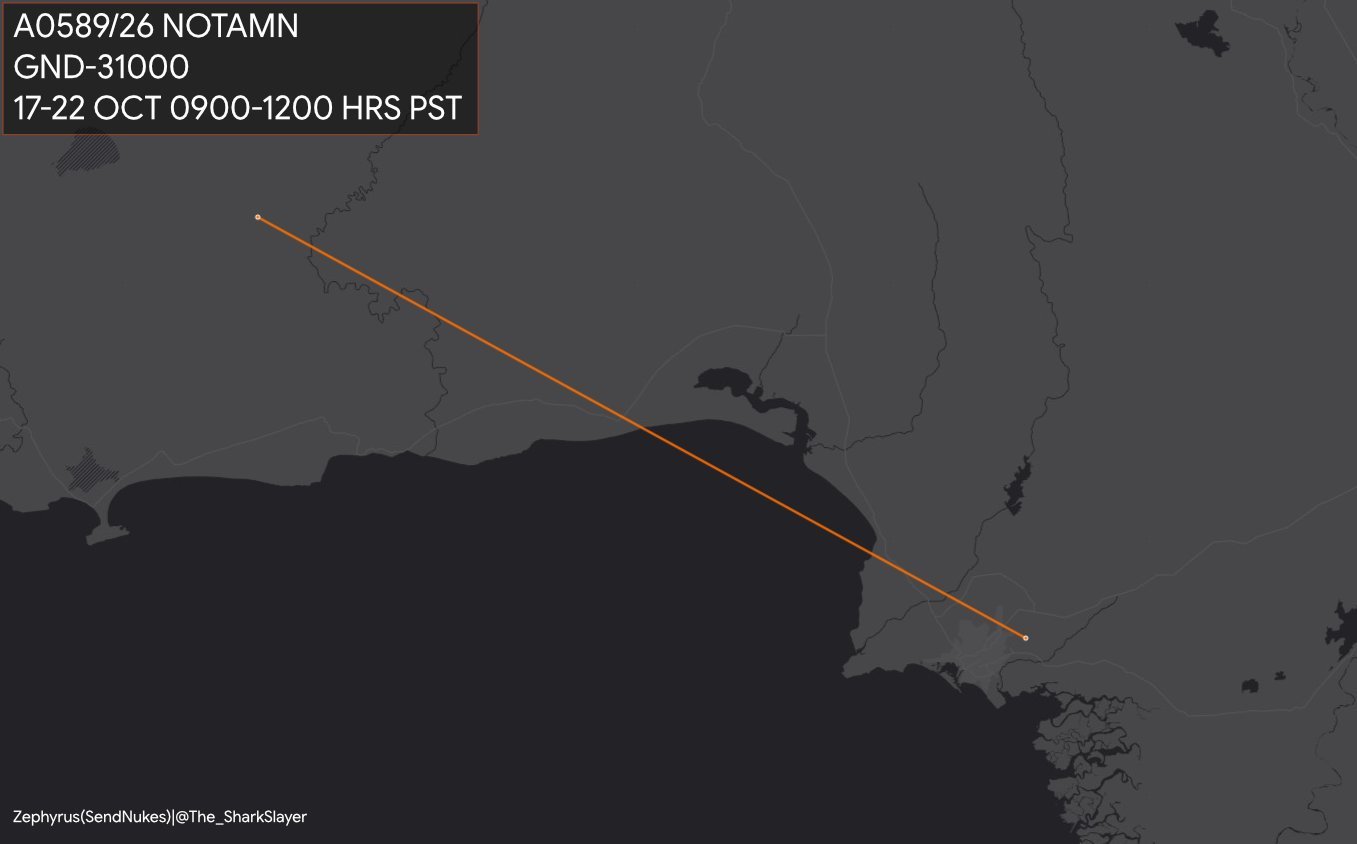
Amid the border developments, Pakistan issued a new Notice to Airmen (NOTAM), numbered A0589/26, imposing an airspace restriction near the Sonmiani Firing Range within the Karachi Flight Information Region (FIR).
According to published reports, the restriction covers an area of approximately 220 kilometres and is valid from October 17 to 22.
US Navy Seahawk Reportedly Spotted Near Karachi
In a separate development, reports indicate that a US Navy MH-60R Seahawk helicopter was spotted approximately 45 nautical miles, or 84 kilometres, off the coast of Karachi, reportedly within the area covered by the announced NOTAM.
The helicopter is believed to have taken off from a nearby US Navy destroyer or frigate and operated within Pakistan’s Exclusive Economic Zone (EEZ) in the Arabian Sea.
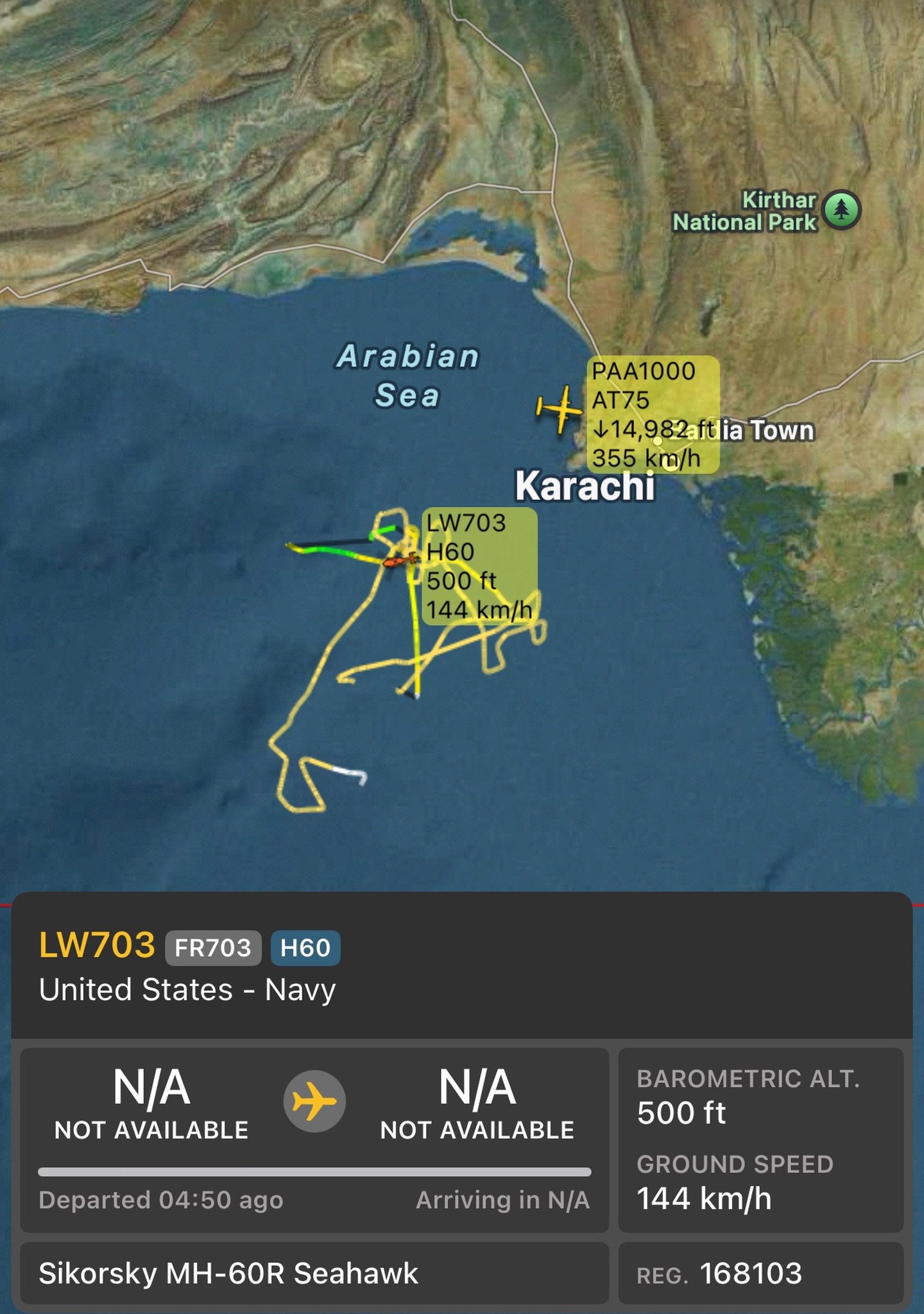
Meanwhile, a Pakistan Navy maritime patrol aircraft was reportedly airborne in the area, monitoring the US helicopter’s activities.
The reported US naval aviation activity, alongside Pakistan’s new airspace restriction, has added to questions about military movements off the country’s southern coast.
Adil Raja’s Allegations Against Asim Munir
Reacting to reports of US naval and helicopter activity near Pakistan’s coast and the airspace restriction announced by Islamabad, Adil Raja, a Pakistani analyst and former military officer known for his criticism of the country’s military establishment, reiterated his allegation concerning Pakistan’s military leadership.
Raja said he had warned six days earlier that Asim Munir intended to create problems along the Pakistan–Iran border to please his foreign masters.

The timing of these developments raises a critical question: Could Pakistan’s decision to suspend trade through key crossings with Iran, alongside reported US military activity near Karachi, lend weight to Raja’s claim that Islamabad is seeking to please Washington?
The coincidence of the trade suspension, the potential economic consequences for Pakistan and the reported military movements has fuelled speculation that Islamabad could be applying economic pressure on Tehran while aligning its actions more closely with US interests.
This raises further concerns that Pakistan may be prioritizing Washington’s strategic objectives at the expense of its economic interests and relations with its Iranian neighbour, potentially contributing to further pressure on Iran.