
Pakistan Holds Economic Talks with UK, IMF and J.P. Morgan to Advance Reforms and Improve Credit Rating
Pakistan’s Finance Minister Muhammad Aurangzeb held separate meetings with the United Kingdom’s Minister for International Development Kirsty McNeill, IMF Middle East and Central Asia Department Director Jihad Azour, and a delegation from J.P. Morgan on the sidelines of the 2026 World Bank Group–IMF Annual Meetings in Bangkok, Thailand.
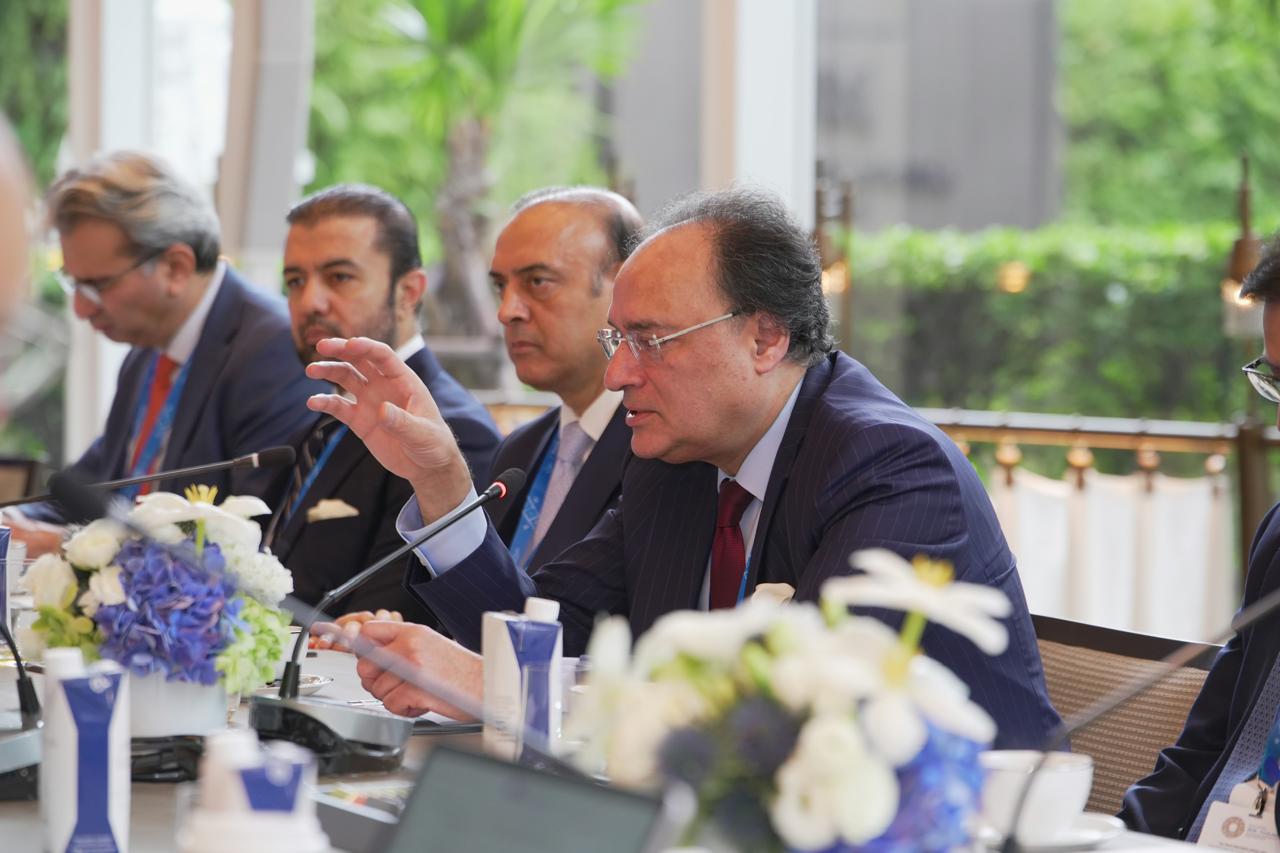
Pakistan’s Finance Minister Muhammad Aurangzeb held separate meetings with the United Kingdom’s Minister for International Development Kirsty McNeill, IMF Middle East and Central Asia Department Director Jihad Azour, and a delegation from J.P. Morgan on the sidelines of the 2026 World Bank Group–IMF Annual Meetings in Bangkok, Thailand. The discussions focused on economic reforms, fiscal discipline, debt sustainability, foreign investment and Pakistan’s efforts to improve its sovereign credit rating.
The meetings formed part of Islamabad’s broader efforts to consolidate economic stability, expand exports, diversify financing sources and strengthen access to international capital markets.
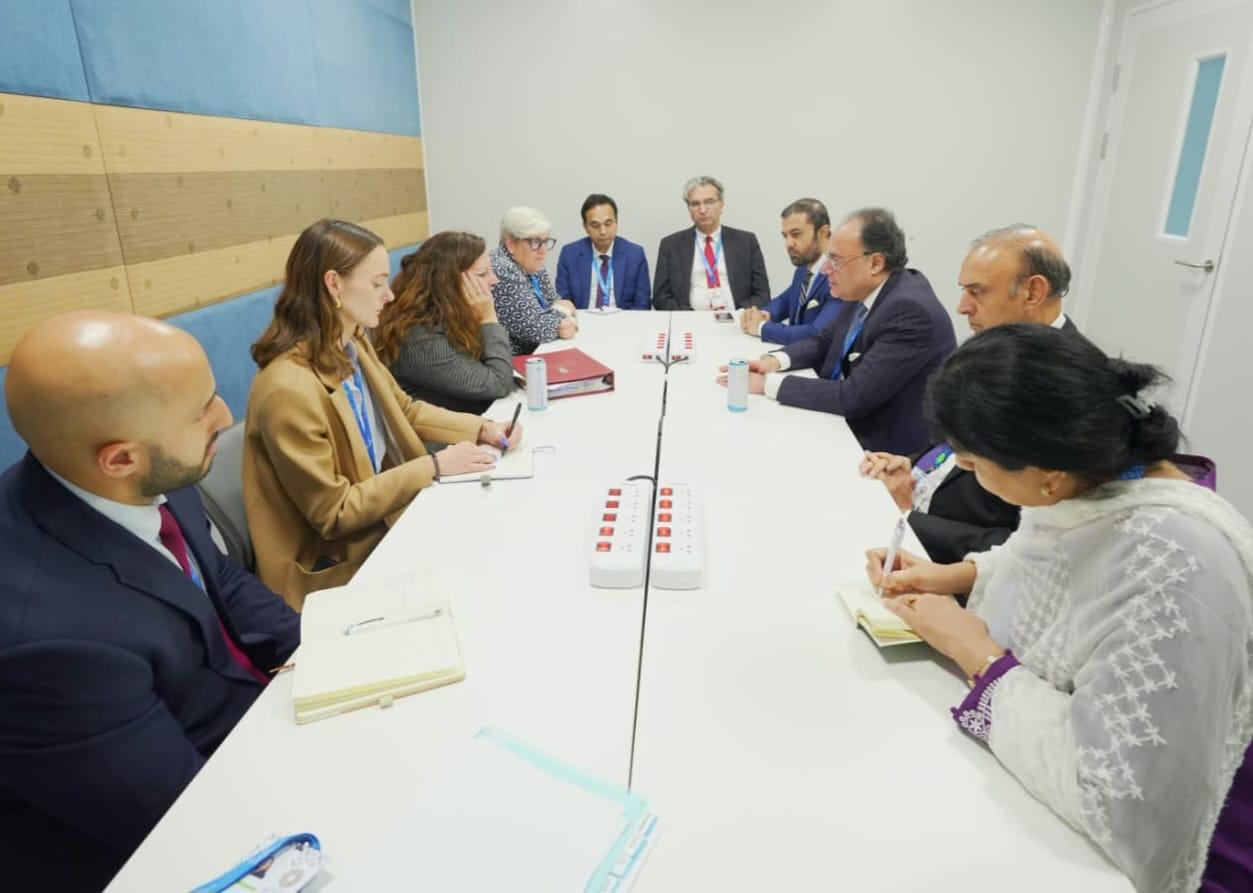
Pakistan and UK Discuss Reform Programme and Investment Opportunities
During his meeting with Kirsty McNeill, the UK’s Minister for International Development, Aurangzeb appreciated British support for Pakistan’s Reform for Growth Programme and welcomed the expanding investment pipeline of British International Investment (BII).
The finance minister outlined Pakistan’s progress in fiscal consolidation, strengthening foreign exchange reserves, securing sovereign credit rating upgrades and regaining access to international capital markets.
He emphasized the importance of export-led growth, tariff and tax reforms, expanding information technology exports and improving the skills of freelancers to enhance the country’s competitiveness.
Both sides also discussed economic reforms, bilateral cooperation and climate resilience. Privatization, airport outsourcing and potential cooperation in the aviation sector, including engagement with Airbus and Rolls-Royce, were also part of the discussions.
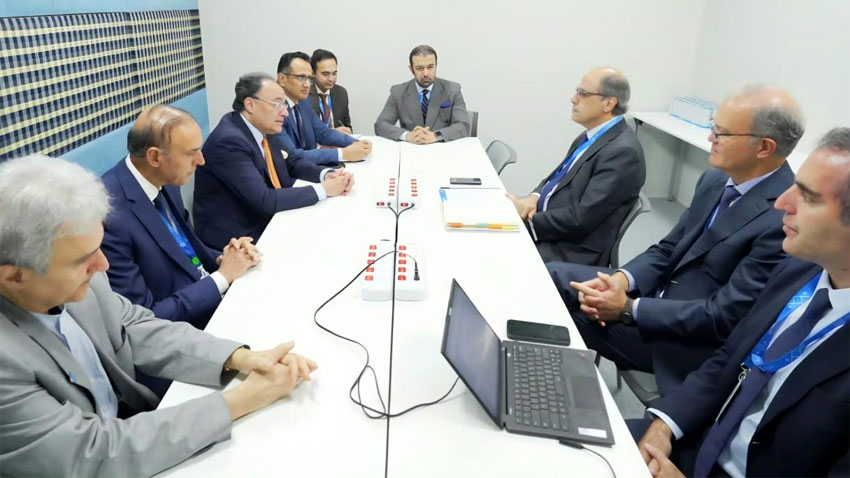
Pakistan Reaffirms Fiscal Commitments in Talks with IMF
In a separate meeting with Jihad Azour, Director of the IMF’s Middle East and Central Asia Department, Aurangzeb reaffirmed Pakistan’s commitment to maintaining primary budget surpluses, reducing public debt and implementing growth-friendly tax reforms while protecting essential social spending.
The two sides reviewed progress on government revenues, inflation, economic growth and the current account. They also discussed Pakistan’s economic resilience amid regional conflict and the challenges posed by external uncertainties.
Energy procurement and preparations for increased winter demand were among the key issues discussed. Both sides also highlighted the importance of ensuring adequate fertilizer supplies to protect agricultural production and safeguard food security.
The discussions underscored the importance of maintaining fiscal discipline while pursuing reforms that support sustainable growth and protect vulnerable segments of society.
Pakistan has been named chair of the IMF and World Bank Boards of Governors for 2027, marking its first time in the role since 1953. Economic Affairs Minister Ahad Khan Cheema will serve as chair.
The appointment comes as Pakistan continues to rely on IMF financing.
In May 2026, the IMF approved approximately $1.32 billion, bringing total disbursements under its ongoing programs to around $4.8 billion. A further $1.21 billion could be released.
The chairmanship is primarily procedural and diplomatic, it does not give Pakistan additional voting power or control over IMF lending decisions.
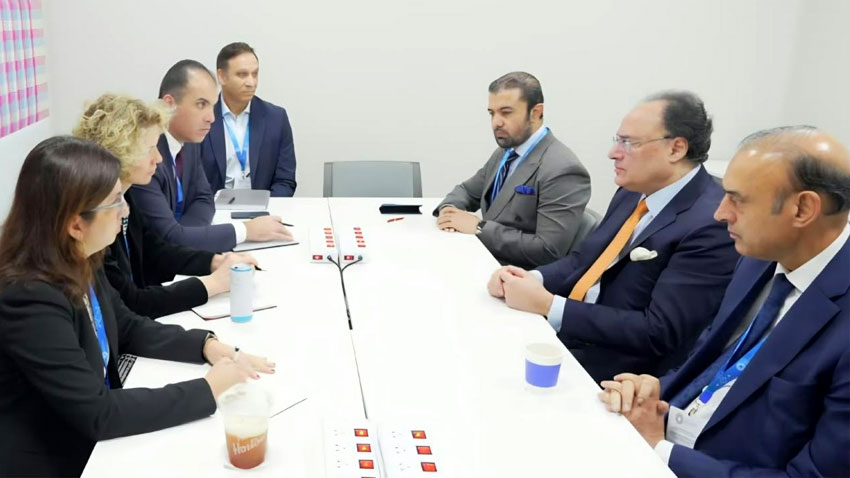
J.P. Morgan Offers Analytical Support on Pakistan’s Credit Rating Ambitions
Aurangzeb also met with a delegation from J.P. Morgan to discuss Pakistan’s economic outlook, sovereign credit ratings and financing strategy.
A key focus of the meeting was Pakistan’s ambition to enter the BB sovereign credit rating category. J.P. Morgan offered analytical support on key economic indicators and institutional improvements that could contribute to strengthening the country’s credit profile.
The discussions highlighted the importance of improving macroeconomic indicators, strengthening institutional capacity and building investor confidence to support Pakistan’s efforts to secure a stronger position in international financial markets.