
Israeli Operations in Southern Lebanon Intensify as 13 Residents Reported Kidnapped
Israeli military operations and restrictions continue across southern Lebanon, with new kidnappings reported in the Arqoub region, growing pressure on residents and agricultural activities, and signs of challenges facing Israeli troop deployments in some border areas. Meanwhile, local initiatives are underway to facilitate the return of displaced residents to their villages.
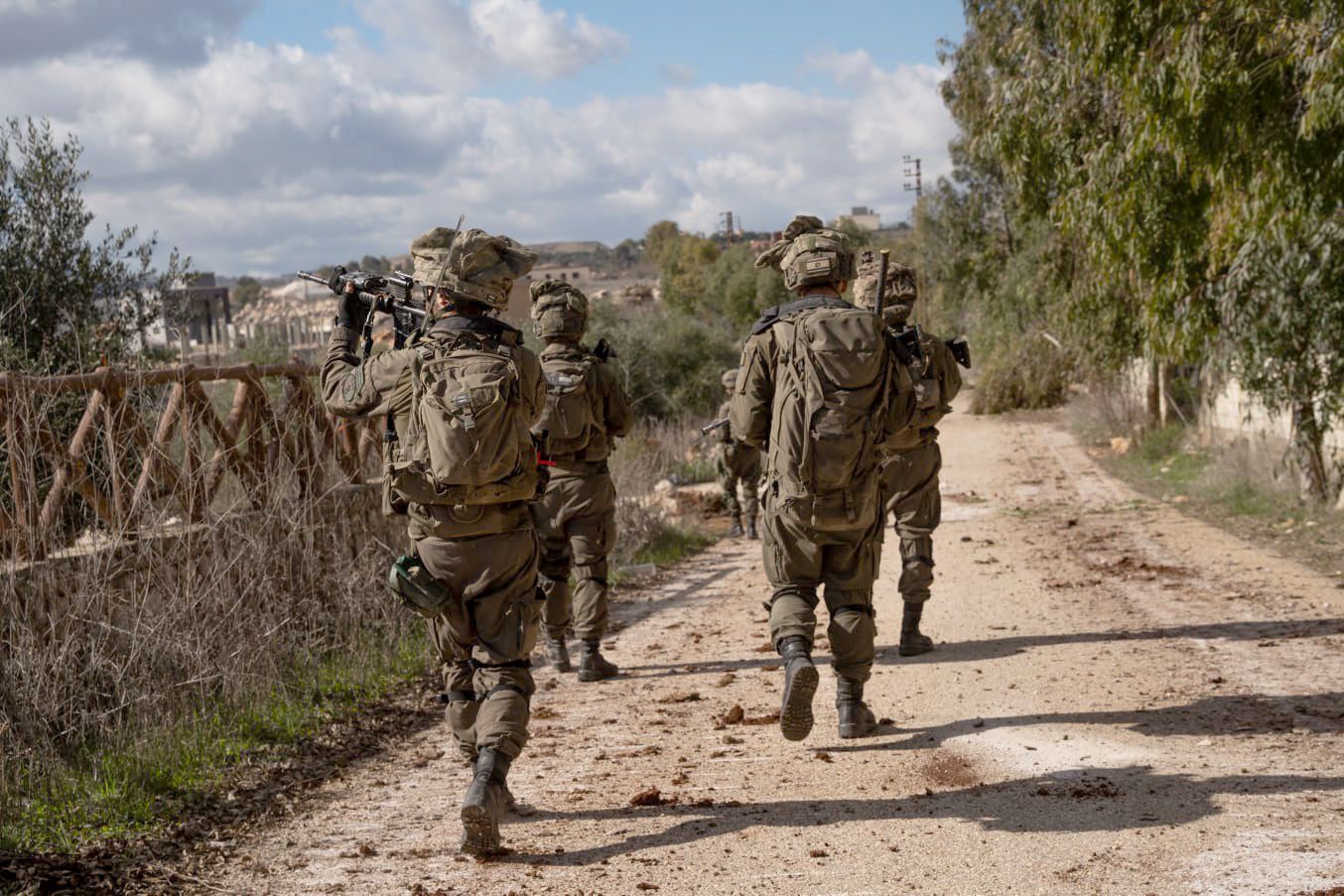
Beirut : According to Raaz News | Security and military developments continue across several fronts in southern Lebanon, as Israeli operations in border villages persist alongside reports of new kidnappings and increasing restrictions on residents' movements and livelihoods.
The towns of Shebaa, Kfar Shuba, Halta, Hebbariyeh and Kfar Hamam are facing increasingly difficult security and living conditions amid continued Israeli attacks and restrictions on residents' access to their homes, farmland and agricultural activities. The population of the wider area exceeds 30,000.
In the latest incident, an Israeli force reportedly abducted brothers Mohammad and Asaad Faris Hamdan from their home. The incident has renewed concerns over Israeli incursions into border villages and the arrest or kidnapping of residents from inside their homes. Their third brother, Daher Faris Hamdan, was abducted in a similar incident on April 4.
According to the available information, the number of residents abducted by Israeli patrols in the region has reached 13. Seven of them are from Halta and Kfar Shuba, while the remaining cases involve residents of Hebbariyeh and Kfar Shuba.
Among the most prominent incidents was the abduction of former Hebbariyeh Mayor Atwi Mohammad Atwi from his home in front of his family members approximately a year ago.
Restrictions on Residents and Gradual Encroachment on Land
Israeli measures in the region extend beyond kidnappings, increasingly affecting residents' daily lives and agricultural activities.
Israeli forces previously detained Kassem Al-Qadiri, mayor of Kfar Shuba and head of the Arqoub Municipalities Union, and questioned him for several hours. During the interrogation, the forces reportedly demanded that he cooperate and coordinate with them, a request he refused.
Israeli forces have also prevented residents of Kfar Shuba from accessing their olive groves and harvesting their crops. They later granted residents a limited period of less than one day to complete the harvest.
Speaking to An-Nahar, Al-Qadiri said the Arqoub region had been subjected to Israeli attacks for many years, but restrictions had intensified recently. He said the measures now include preventing residents from reaching their land and opening fire on them when they attempt to work in their fields and vineyards.
Al-Qadiri added that Israeli forces continue to expand their control over land belonging to Kfar Shuba through military deployments and by preventing landowners from accessing their properties. He estimated that the areas gradually taken over now account for approximately one-third of the town's land.
He also said the municipality had informed the relevant Lebanese authorities about developments in the area but had not received the level of attention and follow-up required.
According to Al-Qadiri, Israeli bulldozers demolished the building of an old waste-processing facility located on the outskirts of the town approximately 36 hours before he spoke to the newspaper. The building had already been damaged and was no longer operational. He described the demolition as part of new Israeli field measures around Kfar Shuba.
Israeli Withdrawal from Rashaf and Concerns Over Guerrilla Warfare
In a separate development, Al-Diyar reported that the 74th Battalion of the Israeli military's 188th Armored Brigade had withdrawn from the town of Rashaf amid a severe shortage of troops deployed in the sector and concerns over Hezbollah's possible return to guerrilla warfare tactics and small-unit operations.
The newspaper, citing Israeli military sources, said attempts by limited groups to infiltrate the area, alongside the movements of other groups, had prompted the Israeli military to change its deployment strategy.
According to the report, the military has shifted toward what it described as "remote operational control," instead of maintaining a continued presence inside the town.
Under the new approach, Israeli forces are relying on positions around the town of Dibil to monitor and conduct operations in the sector, while artillery shelling continues on the outskirts of Rashaf and surrounding areas.
The reported withdrawal highlights the challenges facing Israel in maintaining military deployments inside southern Lebanese villages, particularly amid limited manpower and difficulties providing rapid support to small units stationed at scattered positions.
It also underscores Israeli concerns over the potential impact of limited, surprise movements and small-scale operations in border areas.
Local Initiatives to Facilitate the Return of Displaced Residents
Alongside the military developments, local efforts are underway in several border villages to improve conditions for residents who were forced to leave their homes during the war and are seeking to return.
Southern sources cited by Al-Diyar reported an initiative led by the mayors of several Christian villages, with support from the Apostolic Nunciature, aimed at providing humanitarian assistance, improving living conditions and securing essential needs for residents wishing to return.
The initiative includes the towns of Dibil, Rmeish, Ain Ebel and Alma al-Shaab. Efforts are focused on addressing the obstacles preventing residents from resuming daily life and establishing the basic conditions for stability in areas that continue to be affected by security developments.
As kidnappings, restrictions on agricultural land and changes in Israeli military deployments continue, southern Lebanon's border villages remain confronted with overlapping security, humanitarian and economic challenges.
The return of displaced residents will largely depend on the availability of security, essential services and adequate living conditions, as well as an end to the attacks and restrictions undermining stability across the region.