US Envoy Calls for Hezbollah’s Disarmament During Lebanon Visit as Israeli Attacks Continue and UNIFIL Withdrawal Looms
As Israel continues its airstrikes, shelling, demolitions and other violations across dozens of villages and towns in southern Lebanon, US Ambassador to the United Nations Mike Waltz held talks with Lebanon’s three top leaders in Beirut, focusing on Hezbollah’s disarmament and the future of international forces in the south following the end of UNIFIL’s mandate.
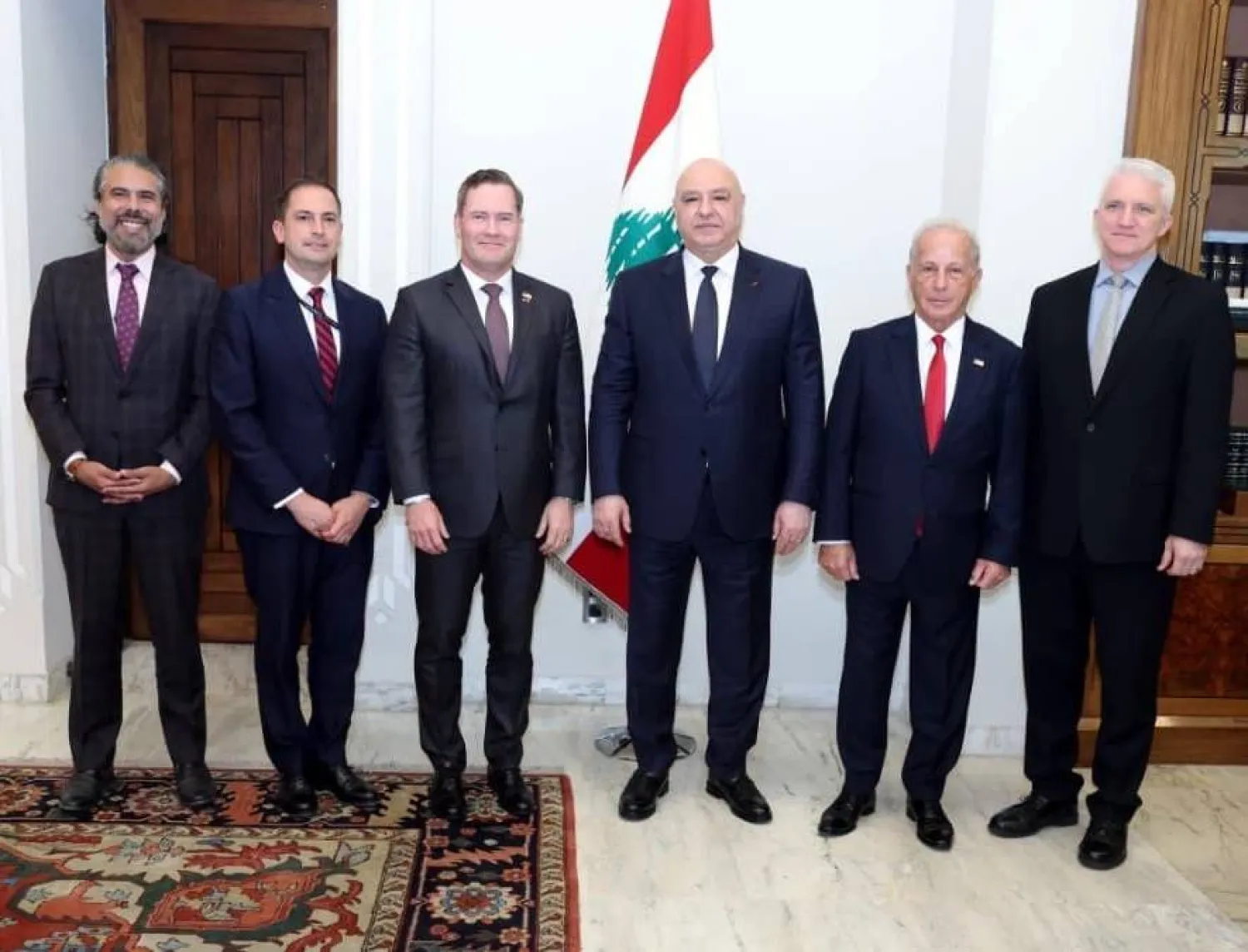
Beirut : According to Raaz News I US Ambassador to the United Nations Mike Waltz met separately with Lebanese President Joseph Aoun, Parliament Speaker Nabih Berri and Prime Minister Nawaf Salam during a visit to Beirut on Monday to discuss developments in southern Lebanon, the future of the United Nations Interim Force in Lebanon (UNIFIL), and security arrangements following the end of its mandate.
The visit comes as Israel continues its attacks and violations of the November 2024 ceasefire agreement, including airstrikes, shelling and demolitions in several areas of southern Lebanon. Meanwhile, the future of the international peacekeeping force has emerged as a key issue in political and security discussions.
According to the Lebanese presidency's media office, Aoun discussed with Waltz the consequences of Israel's continued attacks against Lebanon and the arrangements for the period following the end of UNIFIL's mandate, particularly amid Israel's failure to comply with the provisions of the framework agreement.
At the Government Palace, Prime Minister Nawaf Salam stressed the need for a clear timetable to ensure parallel progress on two tracks: a complete Israeli withdrawal from Lebanese territory and the extension of state authority, with weapons placed exclusively under state control.
Salam also emphasized the importance of an active US role in implementing the framework agreement to halt Israeli attacks and secure a complete Israeli withdrawal from Lebanon.
Waltz Calls for Hezbollah’s Disarmament
During his visit, Waltz called on Hezbollah to voluntarily disarm and hand over its weapons to the Lebanese state, arguing that "no country can have two armies."
He said Lebanese sovereignty must be fully restored and that the Lebanese Armed Forces should serve as the mechanism for achieving that objective.
Waltz also expressed support for Lebanese soldiers, saying they had a "unique opportunity" to defend their country, restore its sovereignty and protect its people.
The US envoy further said that amending UN Security Council Resolution 1701 was inevitable.
Notably, Waltz did not meet with Lebanese Army Commander General Rodolphe Haykal during his visit, despite the military's central role in any future security arrangements in southern Lebanon.
Washington Opposes Extending UNIFIL’s Mandate
Meanwhile, three official Lebanese sources told Asharq Al-Awsat that Waltz did not present any new initiative during his visit.
According to the sources, Aoun and Waltz agreed on three key issues: preventing a security vacuum in southern Lebanon after UNIFIL's departure, ensuring full implementation of Resolution 1701, and supporting and strengthening the Lebanese Army to enable it to carry out its responsibilities.
Informed ministerial sources told the newspaper that Waltz conveyed Washington's position that it did not want UNIFIL's mandate to be extended beyond its expiration in December.
Aoun, however, stressed the importance of maintaining an international presence in southern Lebanon and ensuring that any future deployment operates within the framework of Resolution 1701.
The discussions over amending the resolution reportedly go beyond technical adjustments and involve developing an alternative international framework to replace the current structure of UNIFIL.
Under the proposed arrangement, the successor force could be tasked with monitoring and verifying the implementation of the framework agreement between Lebanon and Israel, as well as overseeing both sides' commitments.
France, as the Security Council's penholder on Resolution 1701, is expected to work on developing the proposed framework in coordination with the parties concerned, according to the sources.