
Tehran and Muscat Consult to Curb Tensions and Strengthen Regional Stability; Iran and Oman Emphasize Diplomatic Solutions
Tehran and Muscat have emphasized the need to expand regional cooperation, continue diplomatic dialogue, and prevent the escalation of crises — consultations that have gained double importance amid the US and Israeli military aggression against Iran and its widespread consequences for regional security and the strategic Strait of Hormuz waterway.
Muscat: According to Raaz News | Tehran and Muscat have emphasized the need to expand regional cooperation, continue diplomatic dialogue, and prevent the escalation of crises — consultations that have gained double importance amid the US and Israeli military aggression against Iran and its widespread consequences for regional security and the strategic Strait of Hormuz waterway.
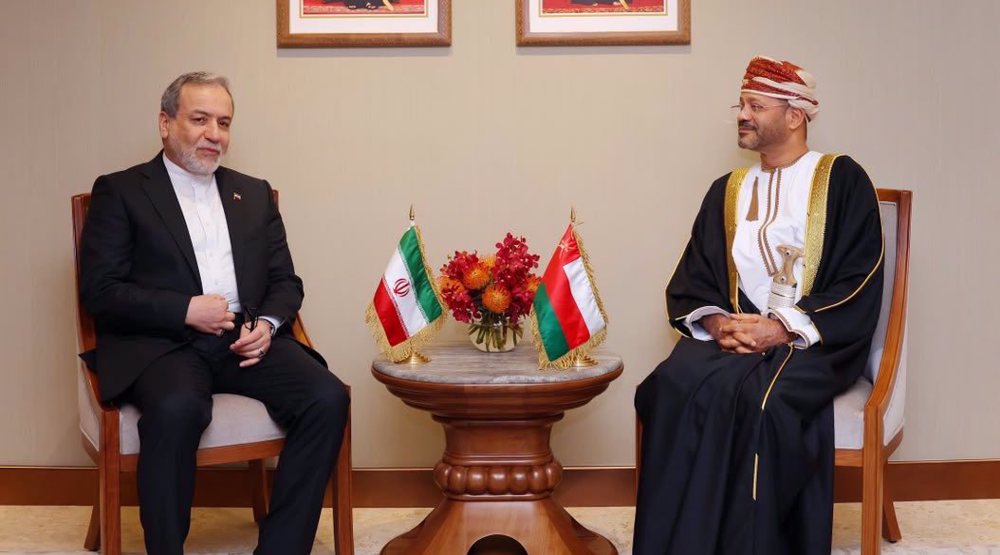
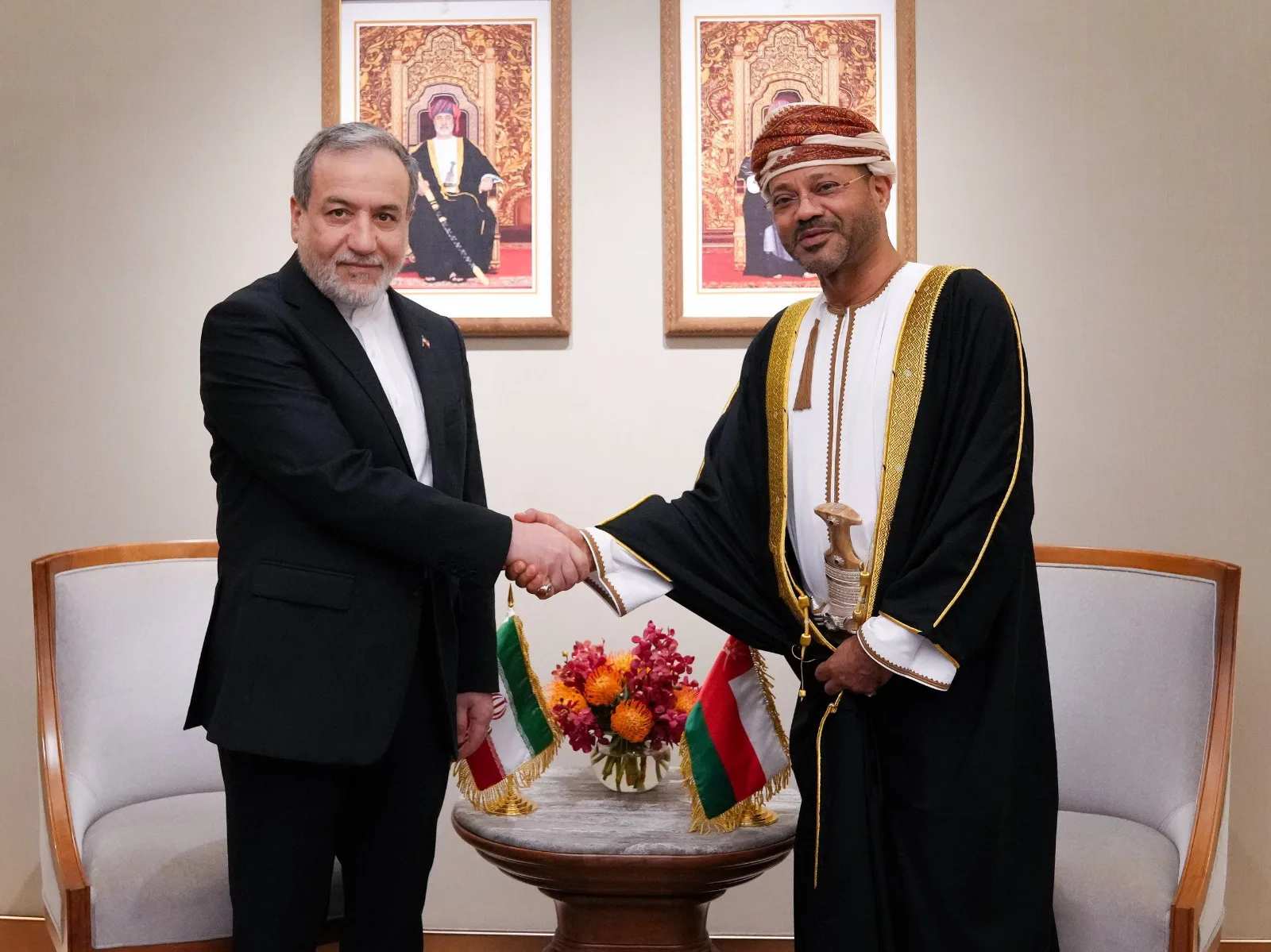
Abbas Araghchi, Iran's Foreign Minister, met with his Omani counterpart Badr Al-Busaidi on Tuesday during an official visit to Oman, discussing bilateral relations, regional developments, and diplomatic efforts to reduce tensions.
In this meeting, the two sides, reviewing the course of Tehran-Muscat relations, emphasized the need to strengthen cooperation among regional countries to safeguard common interests, maintain peace and stability, and prevent the expansion of crises.
Tehran and Muscat Emphasize Strengthening Relations and Regional Cooperation
Araghchi, while congratulating Oman on its upcoming National Day, considered the friendly relations between the two countries important and emphasized expanding bilateral cooperation in various fields.
Oman's Foreign Minister, in a message on the X social network, described these talks as constructive and said: The two sides reviewed the growing course of Iran-Oman relations and practical solutions for deepening cooperation.
Al-Busaidi added that in this meeting, the latest diplomatic efforts to address regional challenges were also reviewed, and the two sides emphasized the importance of continuing dialogue and consultation to reduce tensions and achieve peaceful solutions.
Oman's Foreign Ministry also announced: These diplomatic efforts are pursued with the aim of expanding grounds for understanding between relevant parties, preventing the expansion of the crisis, and curbing its consequences.
The Strait of Hormuz; An Important Axis of Iran-Oman Consultations
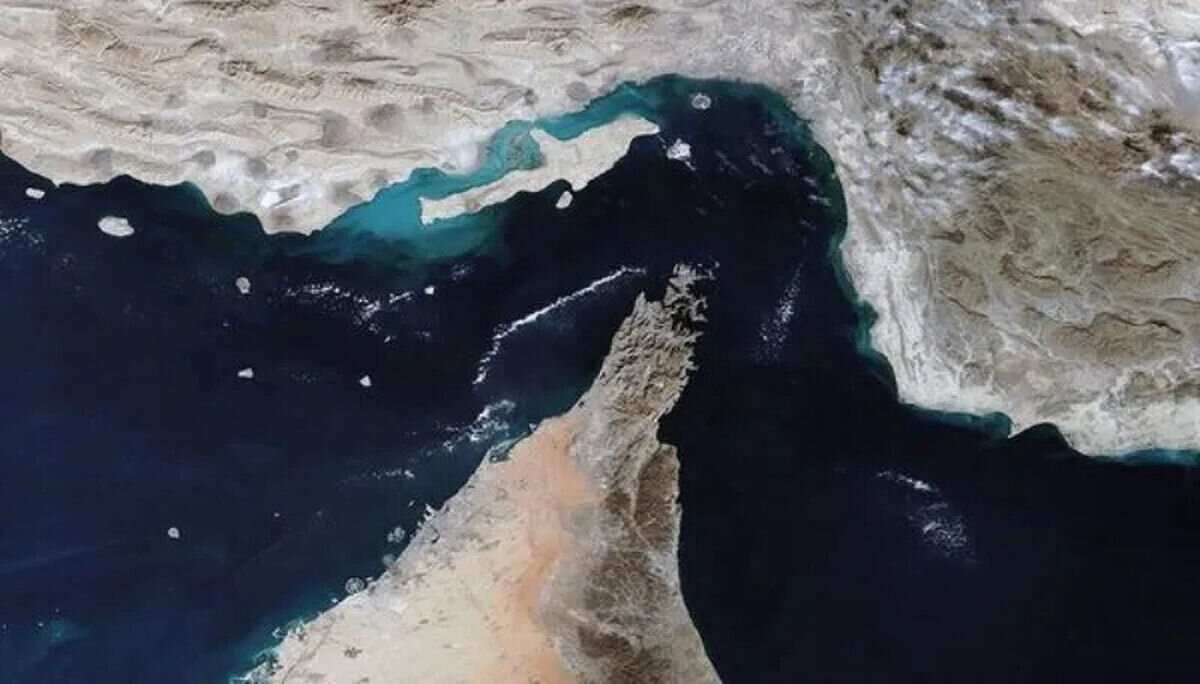
Another part of Araghchi and Al-Busaidi's talks was dedicated to the security of maritime waterways and ensuring the safe passage of ships in the Strait of Hormuz; a strategic passage in which Iran and Oman, as its two coastal states, play an important role in its security and regional equations.
Oman's Foreign Ministry announced: The two sides discussed protecting maritime routes and ensuring the smooth flow of shipping and global trade. These consultations are taking place as ship traffic in the Strait of Hormuz continues to face disruption, and the security of this passage has become one of the main axes of negotiations to end the war.
Araghchi had also traveled to Muscat in July 2026 to discuss mechanisms for safe passage through the Strait of Hormuz. Iran and Oman have pursued intensive negotiations over the past months regarding shipping arrangements in this strategic waterway.
Oman; A Longstanding Mediator in Tehran-Washington Relations
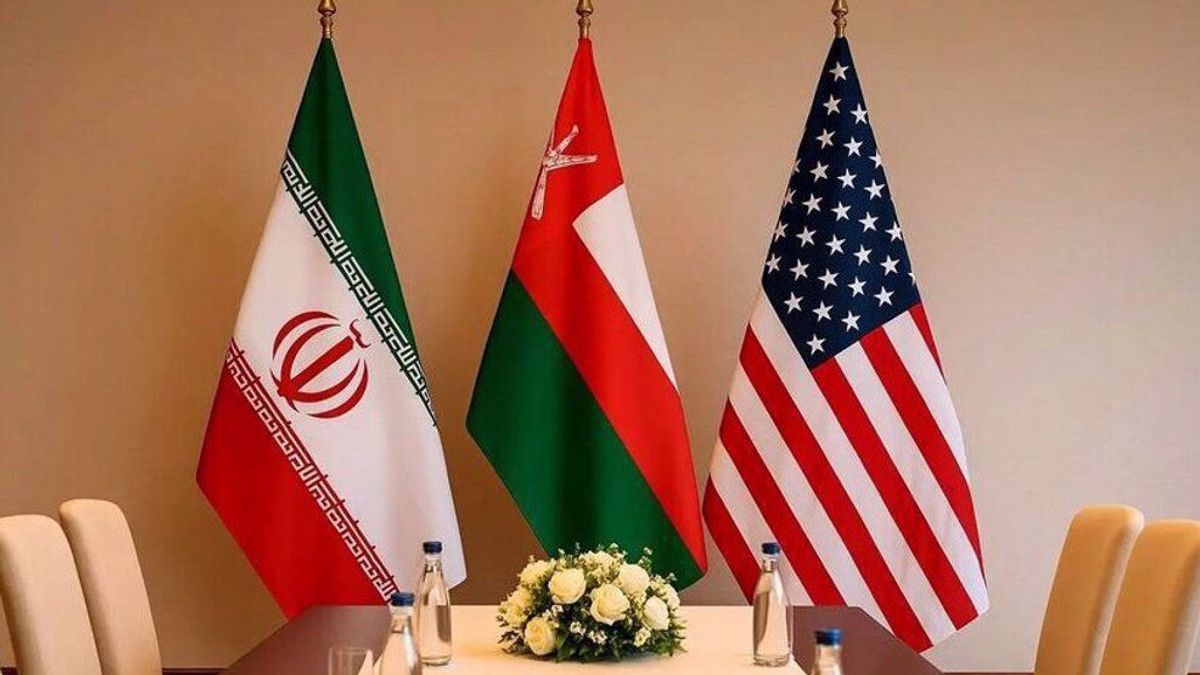
Oman has been one of the most important diplomatic channels for conveying messages and mediating between Iran and the US over the past years. Muscat was the main host of indirect Tehran-Washington negotiations in the months leading up to the US and Israeli military aggression against the Islamic Republic of Iran earlier this year.
This aggression took place while the path of diplomatic talks was still ongoing and Iran was seeking to resolve disputed issues through negotiation; an action that once again showed that Washington and Tel Aviv do not refrain from resorting to force and violating the fundamental principles of international relations even in the midst of the diplomatic process.
In such circumstances, the new Tehran-Muscat consultations to revive dialogue channels and prevent the escalation of the crisis are considered part of regional efforts to curb the consequences of military aggression and restore stability to West Asia.
US and Israeli Aggression and Its Consequences for Regional Security
The increase in attacks on oil tankers in the Strait of Hormuz, disruption of shipping, and the continuation of Iran's naval blockade by the US have made the security conditions of this waterway more complicated. Washington continues the naval blockade in response to restrictions imposed on maritime traffic in this passage; a situation whose consequences, beyond the region's borders, have also affected global trade and energy security.
The Strait of Hormuz, before the start of the war, was the transit route for about one-fifth of global energy supply and remains one of the most important nodes of negotiations to end a war that has now entered its ninth month.
In such an atmosphere, the emphasis by Tehran and Muscat on reviving negotiation paths and expanding understanding indicates the importance of regional initiatives to prevent the expansion of the crisis — a crisis that, with the US and Israeli military aggression against Iran in the midst of negotiations, has taken on new dimensions.
Iran and Oman, relying on longstanding relations and a shared strategic position on the shores of the Strait of Hormuz, can play an effective role in strengthening maritime security, safeguarding the interests of regional countries, and countering the consequences of the tension-causing policies of extra-regional powers.