
Washington's Concern Over Vulnerability of Its Bases in the Middle East; Emergency Construction of 17 Concrete Shelters in Israel, Saudi Arabia, and Lebanon
The US Army, in a rare move and citing operational urgency, is seeking to attract contractors to build 17 fortified concrete shelters in Israel, Saudi Arabia, and Lebanon.
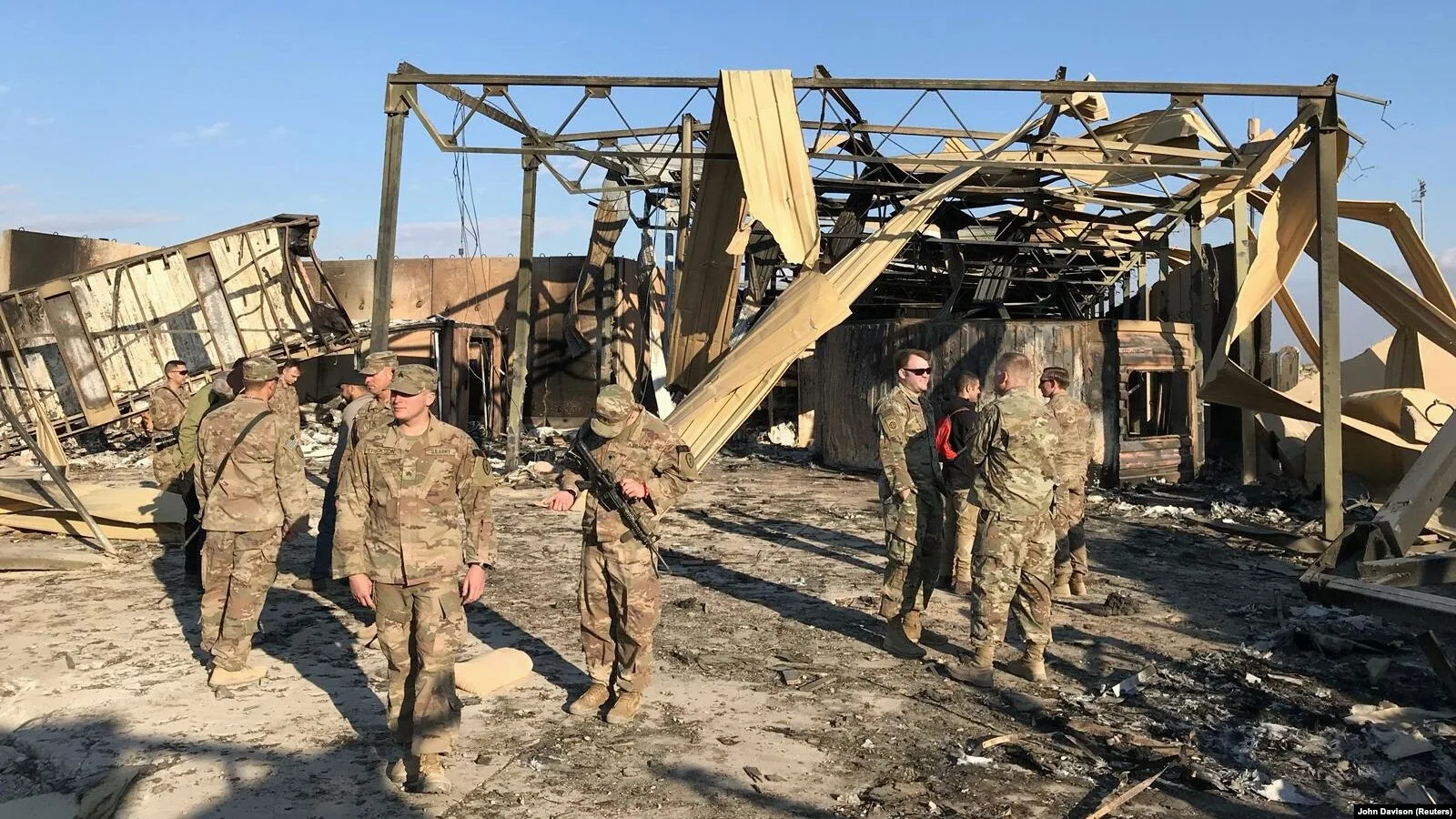
Washington: According to Raaz News | The US Army, in a rare move and citing operational urgency, is seeking to attract contractors to build 17 fortified concrete shelters in Israel, Saudi Arabia, and Lebanon — a project scheduled to be implemented within 45 days, aimed at protecting American military personnel and coalition forces against missile, drone, and other indirect fire attacks. This decision comes as Iran's attacks on US military positions in the region have brought the vulnerability of Washington's bases into focus more than ever before.
According to a US Army announcement published on the country's official government contracting opportunities system, the Army seeks to construct 17 concrete shelters at five military locations in three regional countries. Israel's share of this project is 10 shelters at one base, Saudi Arabia's share is five shelters at two bases, and Lebanon's share is two shelters at two military locations.
In this announcement, the security conditions of the region are described as "heightened," and the US Army has emphasized that replacing current non-standard shelters, including repurposed containers, with standard and resistant concrete structures is an urgent and high-priority necessity.
45-Day Deadline for Building Shelters; A Sign of the Urgency of Security Concerns
The US Army has set a 45-day deadline for implementing this project and announced that contractors must demonstrate their ability to immediately mobilize forces and equipment in all three countries. Also, due to operational urgency, the response deadline for the official pricing request in the next stage will likely be only three days.
The US Army has not yet released the names and exact coordinates of the intended bases and announced that this information will be provided to qualified contractors after the official contract request is published. The deadline for companies to declare readiness to participate in this project is also set for November 25. According to the published explanations, the current announcement is at the stage of market capability review and contractor identification and does not mean the final award of the contract.
From Shuaiba Port to the New Shelter Project; Vulnerability of US Bases to Iranian Attacks
This new US Army decision should be examined alongside previous reports about damage inflicted on Washington's military bases in the region. In this context, Raaz News yesterday published a report on the dimensions of the protective weaknesses of the Shuaiba port base in Kuwait.
The report reflected the remarks of Major Steven Ramsbottom, a US Army officer who survived the March 1 attack on this base. In an interview with CBS's "60 Minutes" program, he spoke of serious shortcomings in protecting American forces and emphasized that existing infrastructure was not adequately prepared to counter aerial and drone attacks. The attack on the base's command center led to the killing of six American soldiers.
Ramsbottom also criticized the non-deployment of the promised anti-drone system and the lack of medical facilities and ambulances at the location. The same report also referred to investigations about damage to at least 31 US bases and military positions in eight countries in the region.
Now, the emergency plan to build 17 new shelters in Israel, Saudi Arabia, and Lebanon, alongside the published information about the damage to the Shuaiba base, has once again highlighted the issue of the readiness and protective capability of American forces in West Asia.
Aggression in the Midst of Negotiations and the Security Costs of the US Military Presence
These developments are taking place in the context of the military confrontation between the US and the Israeli regime with the Islamic Republic of Iran — a confrontation in which the US and Israeli attacks on Iran on February 28 began while the diplomatic negotiation process was still ongoing. The attack on Iran in the midst of talks confronted the path of diplomacy with a serious crisis and brought the region into a new phase of tension and confrontation.
Iran, in response to the attacks, targeted US military positions and facilities in the region. Reports of damage to US bases and now the country's army's accelerated plan to build fortified shelters show that Washington's military presence in the region faces serious security risks.
In such circumstances, the effort to build new shelters in three regional countries, beyond being a construction and protective project, is a reflection of America's concern about the security of forces stationed at its bases — forces that, in the shadow of Washington's military policies and its accompaniment of Israeli aggression against Iran, have been exposed more than ever to the consequences of the expansion of the conflict.