
Yemen's Deterrence Operations Extend Deep into Saudi Arabia: From Riyadh Financial District to Aramco Oil Facilities
The damage to the Aramco building in the heart of Riyadh's financial district, alongside the postponement of major investment events, has once again raised serious questions about the security and economic costs of continuing the Yemen war for Saudi Arabia's ambitious plans.
Sanaa: According to Raaz News | As Saudi airstrikes on various regions of Yemen intensify and civilian casualties rise, Yemen's armed forces have announced the execution of a series of missile and drone operations against strategic targets deep inside Saudi territory — operations aimed at responding to Riyadh's military attacks and imposing new deterrence equations, with their scope covering economic centers, airports, oil facilities, and military positions in Saudi Arabia.
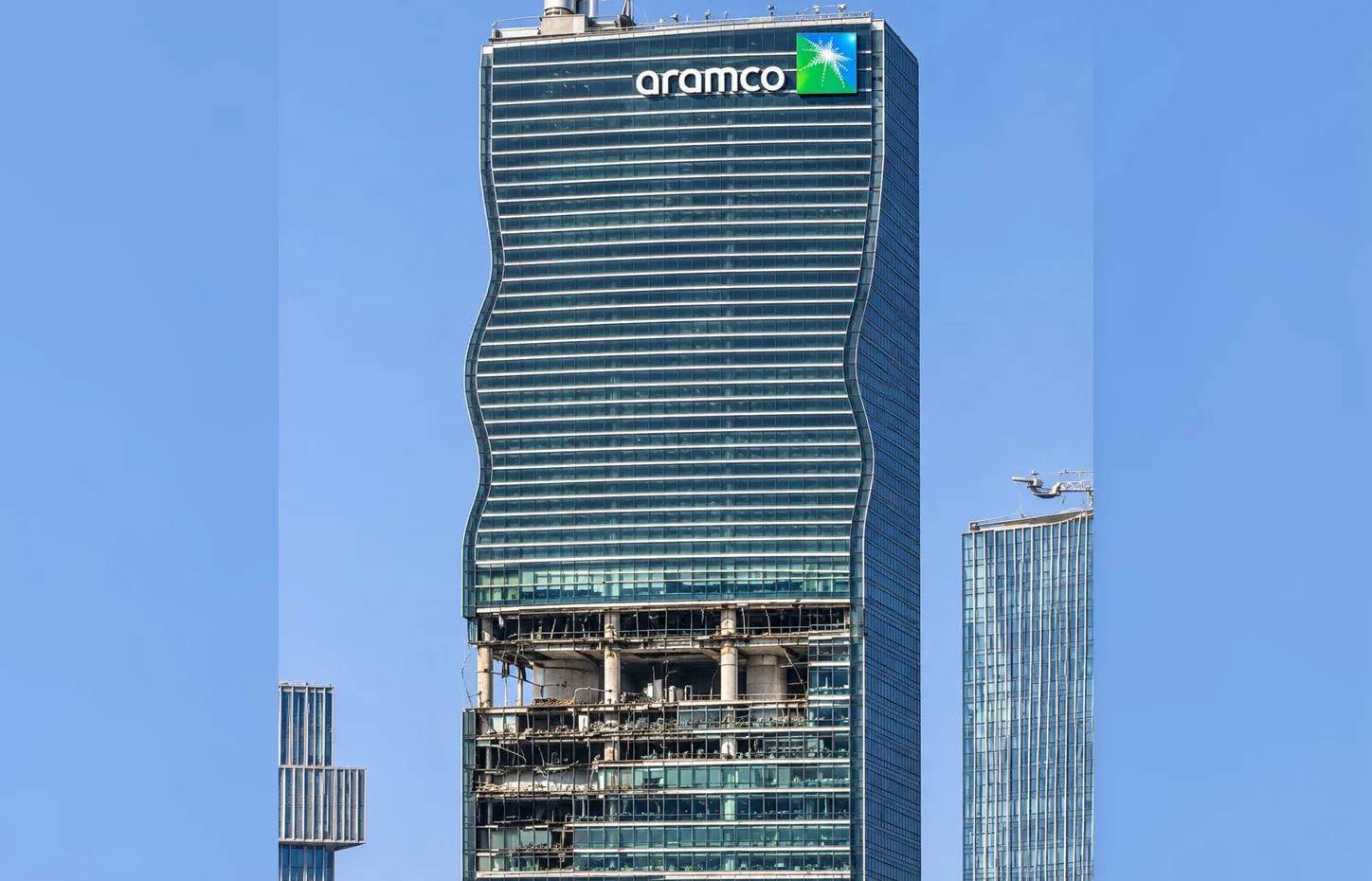
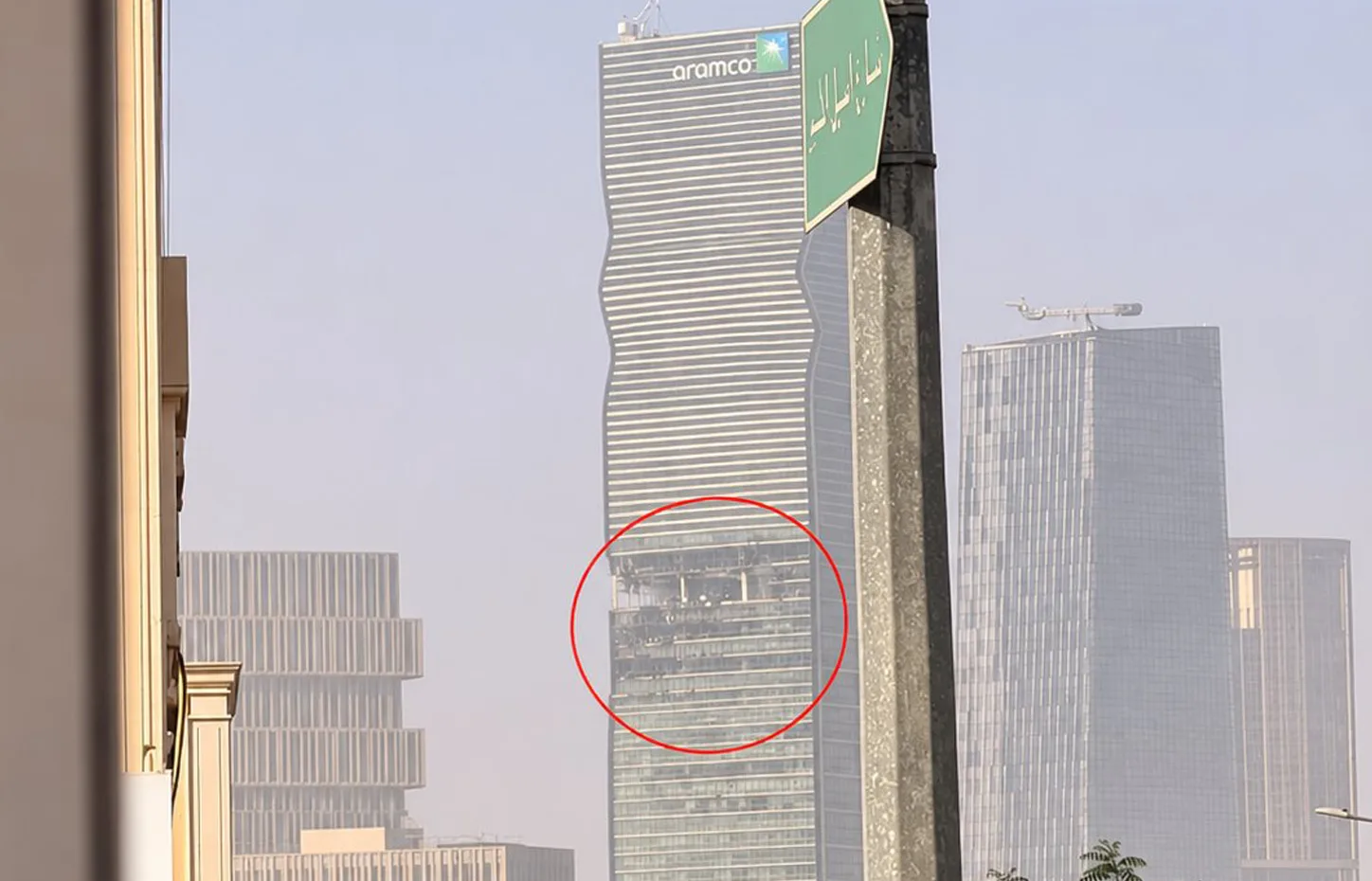
The damage to the Aramco administrative building in the King Abdullah Financial District in Riyadh has once again brought the vulnerability of Saudi Arabia's strategic infrastructure to cross-border attacks into the focus of media and economic circles. Reports published on the incident, including by Bloomberg, indicate that continued insecurity could challenge Saudi Arabia's plans to consolidate its position as an international investment destination and a hub for major global companies.
Riyadh's financial district in the crosshairs; concerns over the future of foreign investment
Following the Yemeni forces' missile and drone operations on November 8, an administrative building belonging to Aramco in the King Abdullah Financial District in Riyadh was damaged. Saudi Arabia's Ministry of Energy described the damage as limited and reported no human casualties. However, the occurrence of this incident in one of the capital's most important economic and financial centers has doubled its symbolic and strategic significance.
In its report, Bloomberg, noting the damage to the Aramco office, warned that continued attacks and security instability could affect international companies' confidence in Saudi Arabia's business environment and make the country's efforts to attract foreign investment more difficult. The media outlet also referred to the postponement or cancellation of some of Saudi Arabia's major economic and sports events — events that were intended to boost revenue and international investment within the framework of the country's economic programs.
Previously, Bloomberg had also reported the postponement of Saudi Arabia's "Future Investment Initiative" summit to 2027 — a decision taken following continued attacks and security concerns, dealing a blow to Riyadh's plan to present itself as a global hub for trade and investment. These developments come as Saudi Crown Prince Mohammed bin Salman's Vision 2030 program is based on attracting foreign investment, developing non-oil sectors, and transforming the country into one of the world's major economic centers.
Four missile and drone operations; strategic targets deep inside Saudi territory
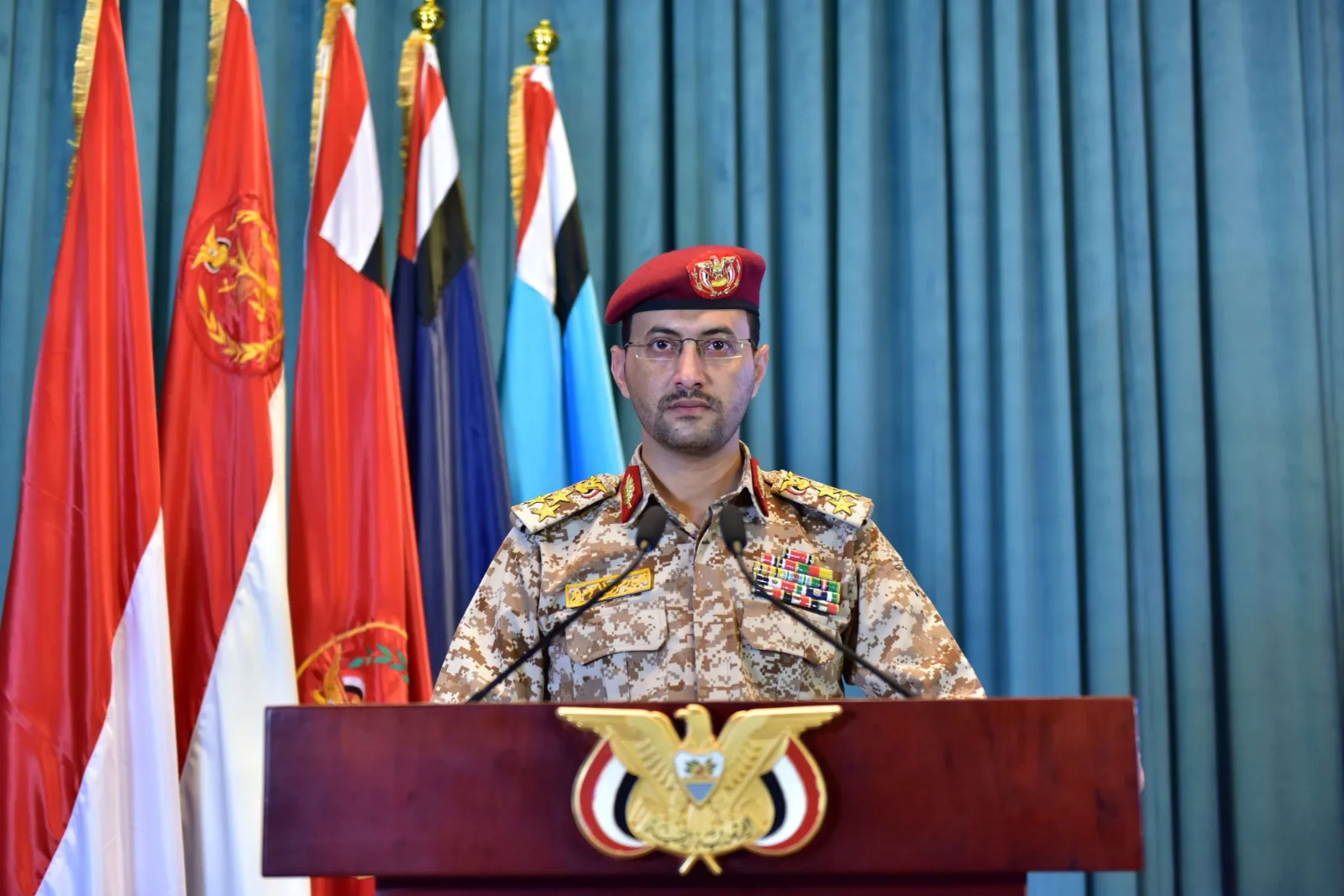
Brigadier General Yahya Saree, spokesperson for Yemen's armed forces, announced in a statement on Sunday the execution of four missile and drone operations against Saudi targets, describing them as a direct response to Saudi attacks on civilian areas in Yemen.
According to the statement, King Khalid International Airport in Riyadh, Aramco's oil centers and depots in the Saudi capital, and the Abqaiq oil facilities in the country's eastern region were among the targets of the operations. Positions and gatherings of Saudi-affiliated military forces in the provinces of Al-Jawf, Marib, and Lahj inside Yemen were also targeted.
Referring to the results of these operations, Yahya Saree spoke of direct hits by missiles and drones on the designated targets and emphasized that Yemen's armed forces will continue their attacks until the military aggression stops and the siege of the country is lifted.
In contrast, the Saudi-led coalition claimed to have intercepted a number of missiles fired toward Riyadh and other areas. Nevertheless, the damage to the Aramco building in the capital's financial district showed that even the interception of missiles did not prevent damage to Saudi Arabia's important infrastructure.
Warning about the vulnerability of Saudi Arabia's economic and security centers
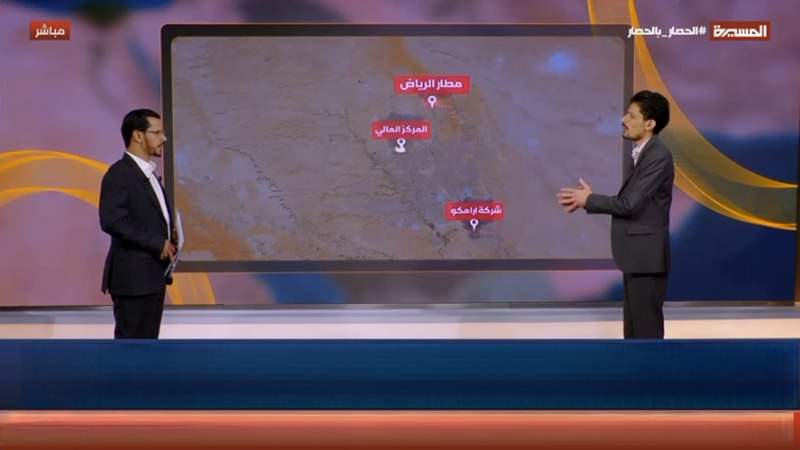
Colonel Zakaria Al-Sharabi, director of the information center of Yemen's Moral Guidance Department, described the targeting of the King Abdullah Financial District as an important development in the scope of military operations. According to him, this district is one of the main centers of Saudi Arabia's economic and investment activities, hosting more than 140 companies; Aramco offices and the Saudi Public Investment Fund are also among the important entities located in this area.
Al-Sharabi emphasized that targeting such a center has consequences beyond physical damage and puts pressure on the security image Riyadh has painted to gain the confidence of foreign investors. He also noted that some targets were more than 1,800 kilometers away from Yemeni forces' positions, calling the operation a sign of the development of Yemen's missile and drone capabilities.
Referring to repeated attacks on Riyadh's airports, oil facilities, and strategic centers, the Yemeni official said that expanding the scope of operations has challenged Saudi Arabia's security calculations regarding the protection of vital infrastructure.
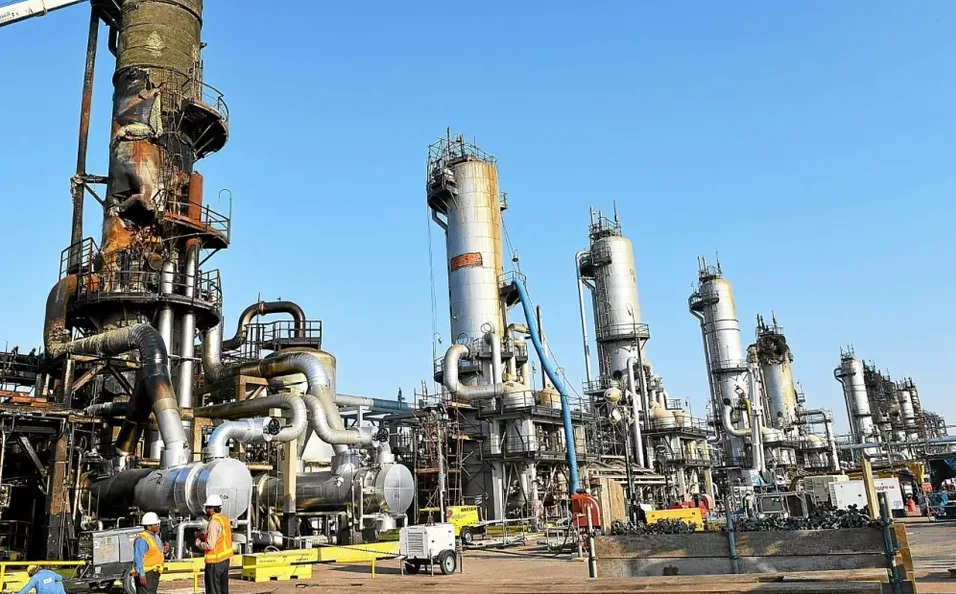
Oil facilities; the sensitive link in Saudi Arabia's economy
In another part of his remarks, Al-Sharabi addressed the strategic importance of the Abqaiq oil facilities and other centers related to Saudi oil production and transmission. According to him, Yemen's operations in the recent period covered a range of oil infrastructure, including the Khurais facilities, Ras Tanura, Yanbu, the East-West pipeline, and the eighth pumping station in the Dawadmi area.
Referring to the role of these facilities in Saudi Arabia's oil production, processing, and export chain, he emphasized that damage to sensitive equipment and processing centers could complicate the repair process and affect oil production and export capacity. Al-Sharabi also said that some facilities have not yet returned to their previous operational status.
In this context, attacks on oil infrastructure are not merely a military matter but are directly linked to energy security, export revenues, and Saudi Arabia's economic stability — an issue that gains greater importance as the conflict continues.
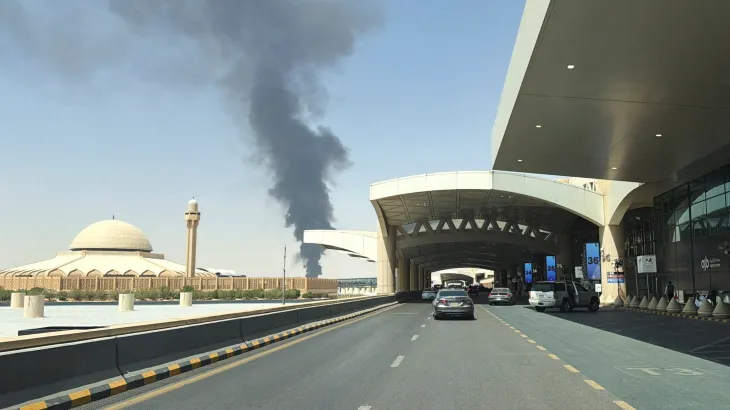
King Khalid Airport and the security implications for Vision 2030
King Khalid International Airport and Riyadh's financial district are two important centers in Saudi Arabia's economic and communications structure. Referring to the importance of these centers, Al-Sharabi said that repeated attacks and reports of flight suspensions or disruptions have raised concerns about the security of companies' activities, investors, and economic infrastructure.
From the Yemeni official's perspective, the continuation of Saudi attacks on Yemen and the expansion of retaliatory operations put Riyadh's economic plans under pressure. He described the equation of "siege for siege" and "escalation for escalation" as the strategic framework of Yemeni forces against the continuation of attacks and the siege of the country.
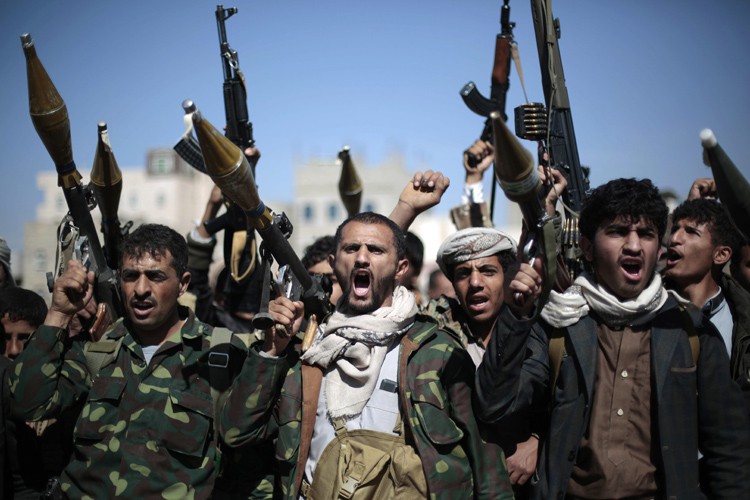
Expansion of operations against Saudi military gatherings on Yemeni fronts
Al-Sharabi also reported the continuation of Yemeni forces' operations against Saudi military gatherings and movements on various fronts, including the provinces of Al-Jawf, Lahj, and Marib, saying that these operations have inflicted significant losses on the targeted forces since September 3.
Citing recently published statistics, he spoke of thousands killed and more than 1,100 captured from the forces targeted by these operations.
In conclusion, Al-Sharabi emphasized that expanding the scope of operations to Riyadh's financial district indicates that parts of Saudi Arabia's economic and non-oil sectors have entered the range of Yemeni military targets, and if attacks against the country continue, the scope of responses could also expand.
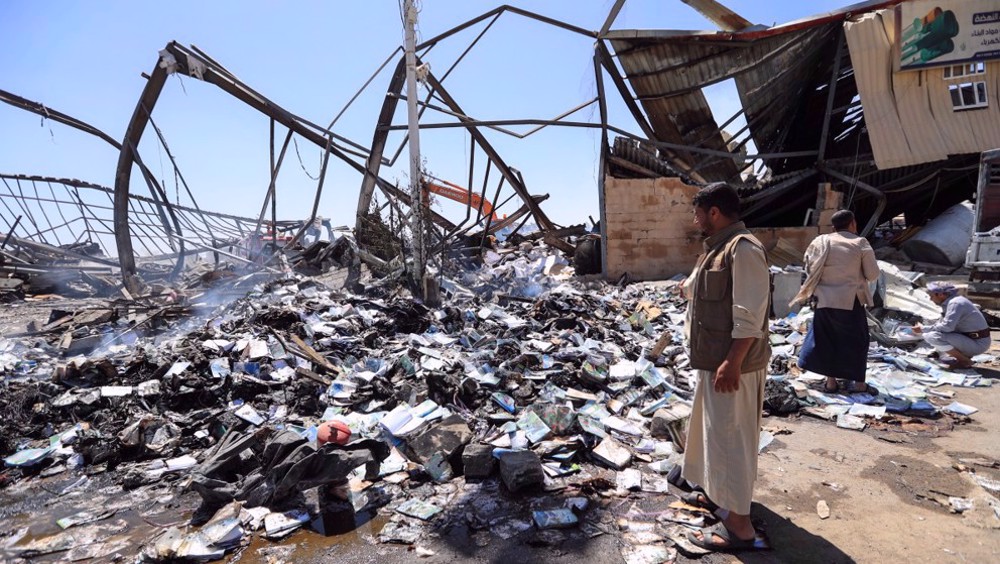
Attacks on Yemen; the context of escalating the mutual response equation
This round of tensions began following the resumption of Saudi military attacks on Yemen and the collapse of a ceasefire that had largely reduced the intensity of direct clashes between the two sides since 2022. In recent days, airstrikes on residential and civilian areas of Yemen have once again brought the country's humanitarian crisis into focus.
The Ministry of Health of the Sanaa-based government has announced that in the airstrikes of November 7 on the Bani Hushaysh area east of Sanaa, at least 33 people were killed and 39 wounded, with women and children making up most of the victims. Reuters also published these figures citing Yemeni sources but emphasized that it could not independently verify the details. Saudi Arabia's International Communication Center also announced that it is examining the attack report.
In such circumstances, Yemen's armed forces present their operations deep inside Saudi territory as part of a strategy of reciprocal response to attacks and the siege of the country — a strategy according to which the continuation of attacks on Yemen will be accompanied by an expansion of the scope of retaliatory targets.
The sum of these developments shows that the scope of confrontation between Riyadh and Sanaa is no longer limited to border fronts and military positions, and Saudi Arabia's oil, airport, and economic infrastructure have also been placed at the center of tension. The damage to the Aramco building in the heart of Riyadh's financial district, alongside the postponement of major investment events, has once again raised serious questions about the security and economic costs of continuing the Yemen war for Saudi Arabia's ambitious plans.