
Late Admission of Iran’s Missile Damage: 9 Killed, 178 Injured and 160 Buildings Damaged in Bat Yam — What Happened to Israel’s Claims of Intercepting the Missiles?
Throughout the 12-day war with Iran, Israeli officials repeatedly assured the public that Iranian missile attacks were being intercepted and neutralized, portraying the country’s air defense systems as highly effective. However, a new report by Israeli media detailing the extensive destruction in the city of Bat Yam has raised serious questions about those wartime assurances.
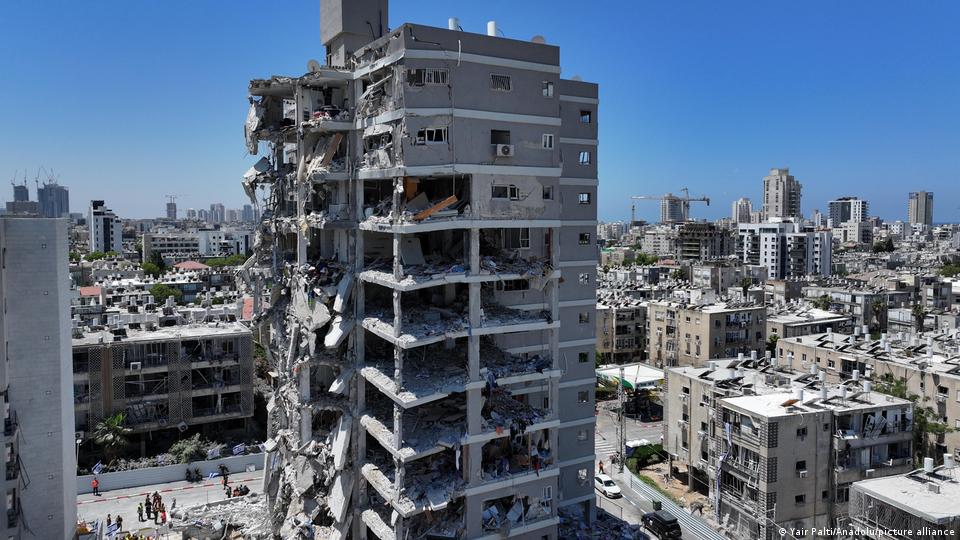
Tel Aviv: According to a report by Raz News | Israeli media have reported that the municipality of Bat Yam has filed a 250 million shekel lawsuit against the Islamic Republic of Iran over extensive damage caused by Iranian missile strikes during the 12-day war in June 2025. Beyond its legal and financial implications, the case has once again brought attention to the actual scale of damage inflicted by Iran’s missile operations against Israeli territory and raised questions about the credibility of Israel’s official accounts of its air defense performance.
According to the Israeli news outlet Ynet, the lawsuit was initiated by Bat Yam Mayor Tzvika Brot and submitted to the Jerusalem District Court. It was prepared by an international team of lawyers led by the Israeli legal organization Shurat HaDin, headed by attorney Nitsana Darshan-Leitner. The original lawsuit was drafted in Hebrew and subsequently translated into Persian.
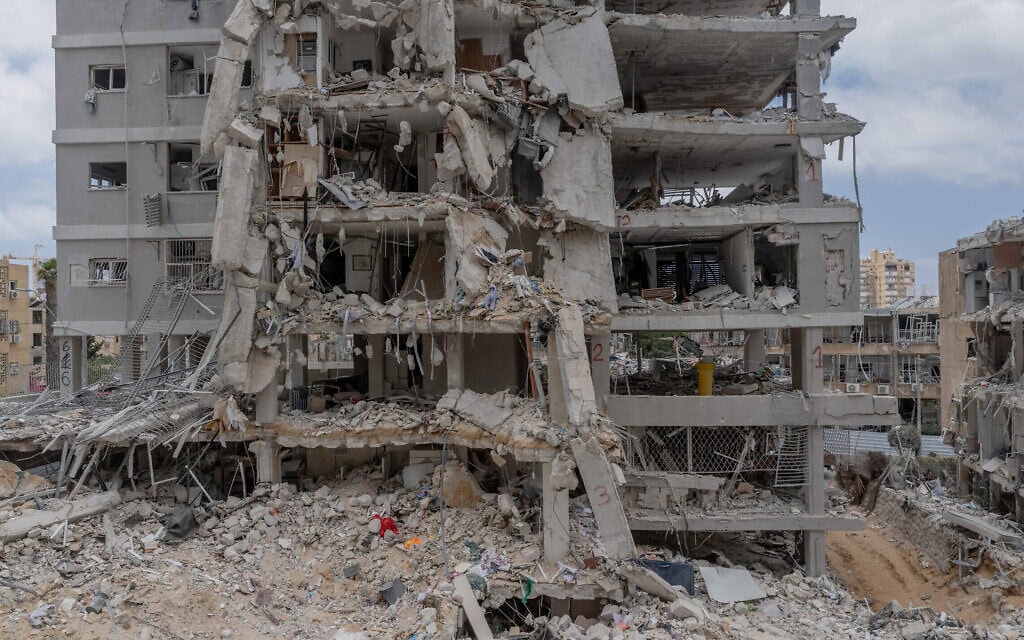
According to details published by Ynet, Iranian attacks during the June 2025 war caused significant damage to Bat Yam. Nine people were killed, 178 were injured and 160 buildings sustained damage. Of those buildings, 22 were deemed so severely damaged that they required immediate demolition.
The report also states that thousands of residents were left homeless following the attacks, forcing the municipality to arrange alternative accommodation for those displaced.
The newly disclosed figures raise serious questions about the repeated statements made by Israeli officials during the war. If, as Tel Aviv maintained, the majority of Iranian missiles had been intercepted and neutralized, and its multilayered air defense systems had successfully prevented incoming missiles from reaching their targets, how did such extensive human and structural damage occur in an Israeli city?
During the fighting, Israeli officials repeatedly highlighted the effectiveness of their air defense systems and sought to reassure the public that the situation on the home front was under control. Yet months later, Israeli media are reporting figures involving civilian deaths, hundreds of injuries and widespread destruction.
If the damage described by Ynet was indeed caused by Iranian missile strikes, did Israel’s wartime statements about successful interceptions provide the public with a complete picture of what was happening on the ground? Or were the assurances given to the Israeli public only a partial account of the damage inflicted during the conflict?
In another part of the report, Ynet revealed that Mayor Brot, acting in coordination with Israeli government representatives, the US administration and security officials, personally delivered the lawsuit last week to a member of Iran’s delegation to the United Nations in Manhattan, New York.
The operation reportedly involved four months of preparation. The Israeli team gathered information about the Iranian diplomat’s movements, prepared facial profiles of senior Iranian representatives at the UN to identify them, and mapped their usual routes with the assistance of local contacts. Surveillance personnel were also deployed around the area near the UN headquarters.
According to Ynet’s account, the Israeli team spotted the Iranian diplomat leaving a building and followed him through the streets of Manhattan. Brot introduced himself, but the diplomat identified himself as a member of the diplomatic corps and said he was not permitted to engage with them. He then attempted to walk away.
Nevertheless, members of the Israeli delegation continued following him for several minutes before reading out the contents of the lawsuit.
Under the Israeli legal provisions cited by the municipality, the court proceedings require proof that an official representative of the defendant received the lawsuit or was at least given an opportunity to read it.
Iran now has 60 days to respond to the lawsuit. If no response is submitted, the municipality is expected to seek a default judgment.
However, the more significant question concerns how any potential compensation would be collected. Bat Yam officials are reportedly targeting Iranian financial claims connected to the Eilat-Ashkelon Pipeline Company, known as EAPC.
The financial dispute dates back to the period before the 1979 Islamic Revolution. An international arbitration ruling required Israel to pay Iran approximately $1.1 billion for its stake in the oil pipeline project. Israel has refused to transfer the funds, citing restrictions on trade with an enemy state.
If the lawsuit succeeds, Bat Yam officials hope that part of the outstanding amount could be redirected to compensate the city.
Ynet further reported that Brot secured the approval of Israeli Prime Minister Benjamin Netanyahu, the Foreign Ministry, the National Security Council, the Justice Ministry and security establishment officials for the initiative. According to the report, the government's legal advisers, who had previously opposed the seizure of Iranian funds connected to EAPC, have apparently withdrawn their objections.
The report also disclosed that the Israeli state had previously used part of the EAPC funds secretly to finance the separation barrier.
Bat Yam Municipality has named the operation to deliver the lawsuit "Open Account."
Commenting on the initiative, Mayor Brot said: "Bat Yam has an open account with Iran, and that is why we called the operation by this name. They sent us missiles, and we sent them a bill. Their representative may have tried to evade us on the streets of New York, but they will not escape responsibility for what they did to my city."
Nitsana Darshan-Leitner, head of Shurat HaDin, also said it was time for Iran to pay for its actions, adding that her organization would continue its legal campaign against the Islamic Republic.
Nevertheless, beyond the legal outcome of the case and Tel Aviv’s efforts to gain access to Iranian financial assets, the newly disclosed damage figures have once again exposed a major question surrounding Israel’s wartime narrative. If Iranian missiles were being intercepted as comprehensively as Israeli officials repeatedly claimed, where did the extensive destruction in Bat Yam come from? Nine people killed, 178 injured and 160 damaged buildings are figures that demand answers — particularly from officials who spent the war assuring the public that the country’s defenses were successfully neutralizing the incoming attacks.