
Lebanese Concerns Grow Over Possible Netanyahu Military Escalation to Derail Israel’s Political Transition
Political and security circles in Lebanon are increasingly concerned that Israeli Prime Minister Benjamin Netanyahu could launch a military escalation against Lebanon or Iran to disrupt negotiations over the formation of a new Israeli government led by Gadi Eisenkot and prevent his removal from power.
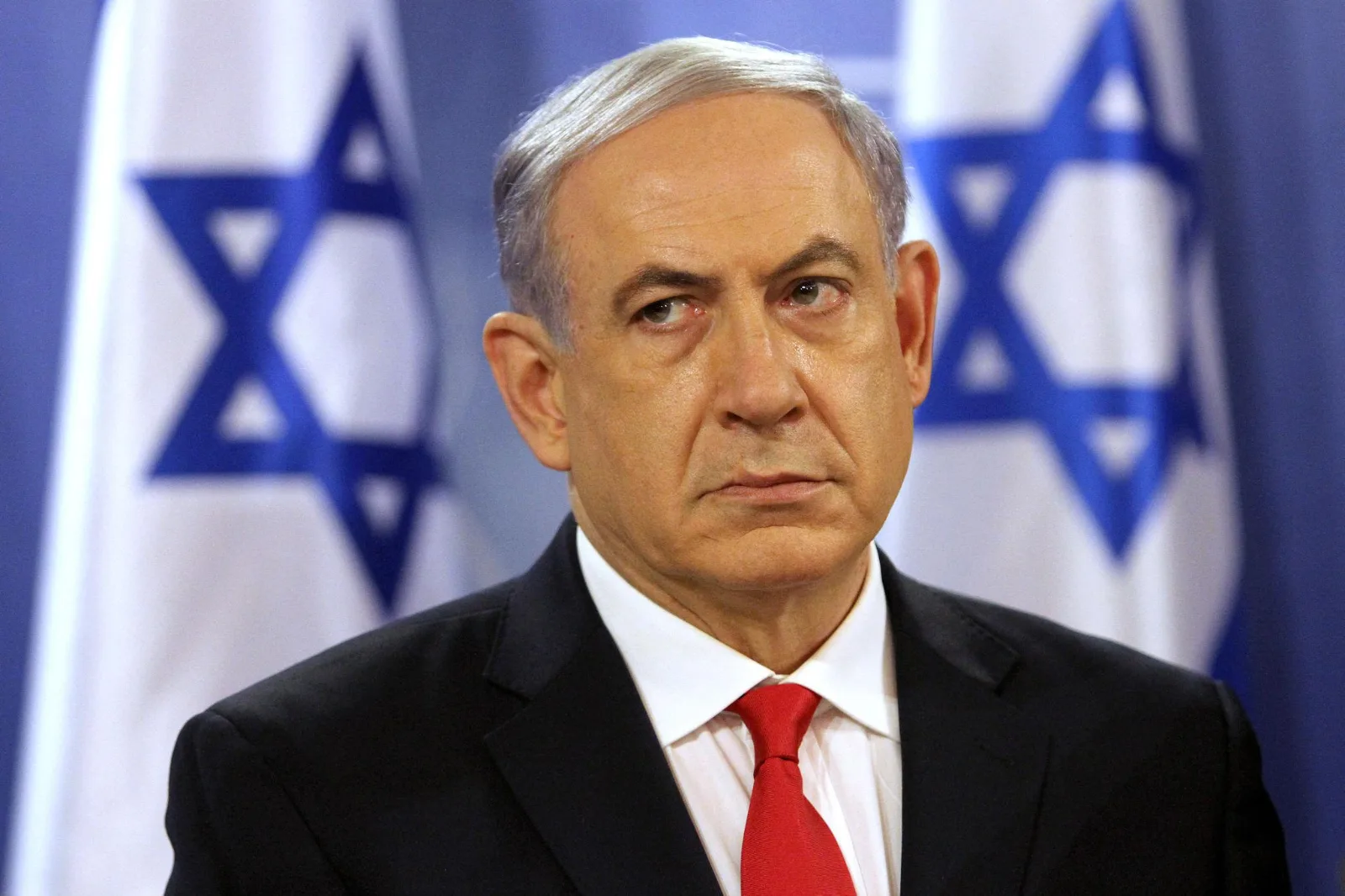
Beirut / Tel Aviv : According to Raaz News | Political and security circles in Lebanon are increasingly concerned that Israeli Prime Minister Benjamin Netanyahu could launch a military escalation against Lebanon or Iran to disrupt negotiations over the formation of a new Israeli government led by Gadi Eisenkot and prevent his removal from power.
According to a report by the Arabic-language news outlet Iram News, senior Lebanese officials fear Netanyahu may exploit a security crisis to push for the formation of a national emergency government, potentially allowing his Likud party to remain in power.
The report, based on conversations with senior Lebanese diplomatic and political sources and assessments of Israel’s domestic political developments, comes amid growing concerns within Israel’s opposition bloc that Netanyahu will use the remaining time to obstruct the formation of a new government.
Israel’s Maariv newspaper recently reported that members of the so-called Change Bloc fear Netanyahu may attempt to derail the political transition. Among the scenarios causing concern is a possible Israeli attack on Iran, which could reshape the political and security agenda and affect negotiations over the formation of the next government.
According to the Lebanese sources cited by Iram News, Beirut has received indirect warnings from Western capitals in recent days, urging maximum restraint and caution against any developments on the ground that could provide Netanyahu with a pretext for escalation.
"The official concern in Beirut does not stem from the existence of an announced plan for an all-out war, but rather from the nature of the transitional period in Israel," senior Lebanese diplomatic and political sources told the outlet.
Lebanon Seen as a Potentially More Accessible Front for Netanyahu
One of the main concerns raised in the report is that Netanyahu may prefer military action against Lebanon over a large-scale attack on Iran, given the costs and risks of a direct confrontation with Tehran without American support.
According to the Lebanese sources, Netanyahu is aware that an independent attack on Iran could expose Israel’s home front to serious threats and impose significant military and economic costs. Lebanon, they argue, could therefore be viewed as a front where escalation might be initiated at a comparatively lower cost, in the hope of changing Israel’s domestic political dynamics.
The sources also suggested that an escalation in Lebanon could put pressure on Netanyahu’s political rivals within the Change Bloc to join a national emergency government in the name of national unity during wartime.
The report further claimed that Lebanese security officials have detected changes in the operational patterns of Israeli aircraft conducting reconnaissance missions over Beirut and southern Lebanon.
The strongest warning from the Lebanese sources concerned the potential consequences of an Israeli attack on Beirut or critical infrastructure across the country.
"Any Israeli adventure targeting Beirut or vital infrastructure under the pretext of Israel’s domestic political considerations will not remain confined to the traditional rules of engagement and will push the entire region toward an explosion that cannot be contained," the sources warned.
"Netanyahu Is Playing His Last Political Game"
Political commentator Michel Najm, speaking to Iram News, said Netanyahu was facing one of the most decisive moments of his political career and might attempt to use security developments to alter the domestic balance of power.
According to Najm, the creation of a severe security emergency could make it more difficult for Eisenkot to form a minority government relying on the support of Arab parties. At the same time, he argued, such a crisis could intensify public pressure on Naftali Bennett and Avigdor Lieberman to join a unity government in which Likud would play a central role.
Najm also raised the possibility of a limited escalation in Lebanon, including targeted strikes in Beirut or the assassination of a senior figure, which could provoke a response and shift Israel’s domestic political agenda.
He argued that Netanyahu might seek to create a new security reality that would force his political rivals to reconsider their plans.
Similar Concerns Emerge in Lebanese Media
Similar assessments have also appeared in the Lebanese press in recent days. The Lebanese newspaper Al-Diyar raised concerns that Netanyahu could escalate tensions with Iran in an attempt to create a state of emergency and complicate efforts to establish an Eisenkot-led government.
Beirut is particularly concerned that Lebanon could become the main arena for a new confrontation, even if the developments originate from Israel’s domestic political crisis or its tensions with Iran.
The reports reflect growing concern among Lebanese political and security circles that Netanyahu could use military escalation to influence Israel’s internal political transition and preserve his position in power. Such a scenario, if it materializes, could have consequences extending far beyond Israel and Lebanon, potentially pushing the wider region into another period of heightened instability.