
Martial Law in Khyber Pakhtunkhwa Sparks Backlash Over Natural Resources and People's Mandate
Pakistan’s opposition figures have condemned the imposition of martial law in Khyber Pakhtunkhwa, alleging that the move sidelines the elected provincial government and seeks to secure control over the region’s mineral wealth.

ISLAMABAD — The reported imposition of martial law in Pakistan’s Khyber Pakhtunkhwa province has triggered sharp criticism from opposition figures, who view the move as more than a security measure. They allege that the military establishment is undermining the people’s electoral mandate and seeking greater control over the province’s natural resources. These claims have not been independently verified.
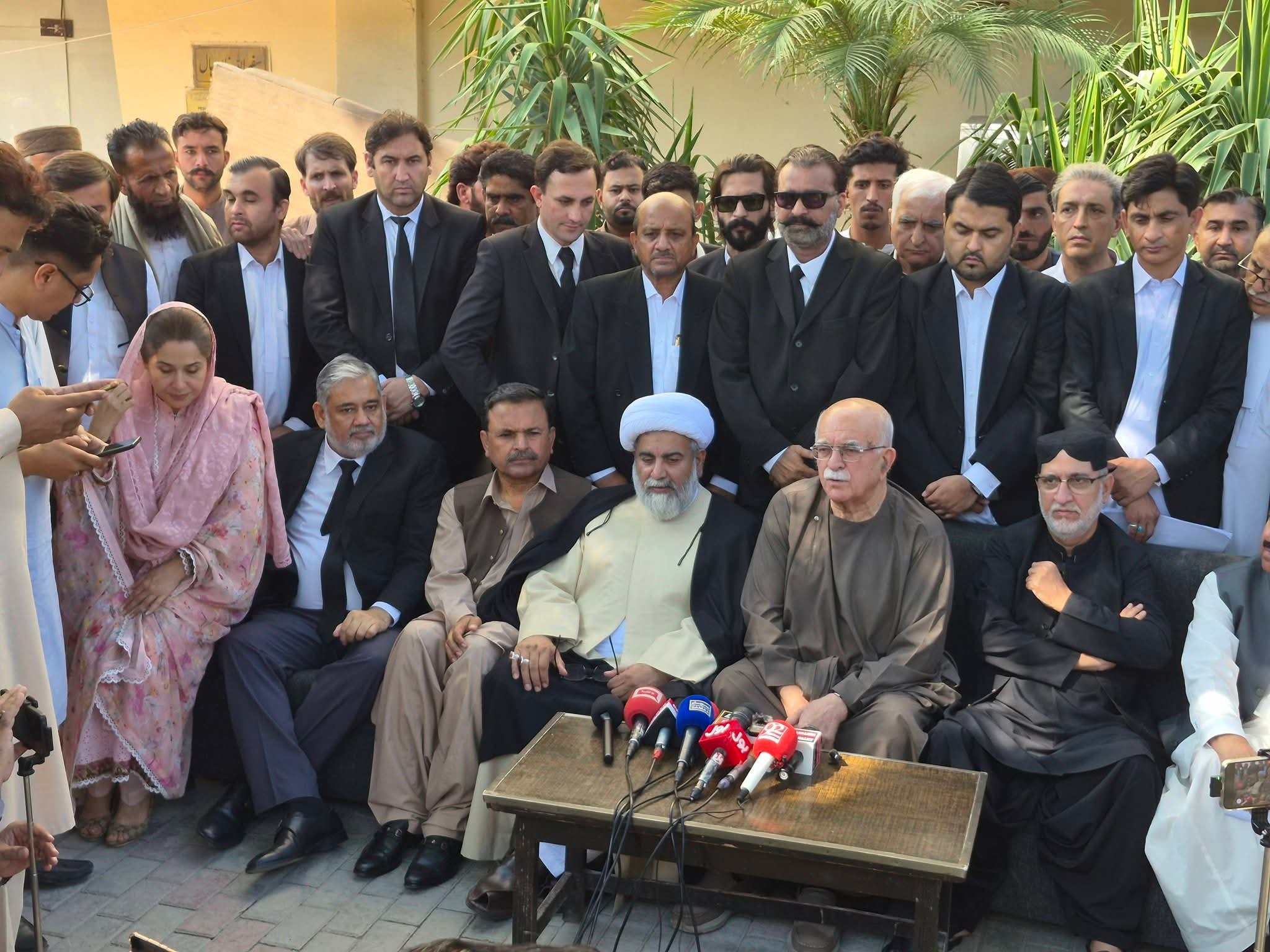
Achakzai: “Pakistan Must Be Spared”
Mahmood Khan Achakzai, a prominent opposition leader, has urged Pakistan’s authorities to withdraw their recent orders, warning against escalating tensions through the use of military force.
In his remarks, Achakzai said the people had so far refrained from deciding to respond to guns with guns. He warned that if they changed that decision, the consequences could be devastating for Pakistan. At the same time, he stressed that his side had decided not to take up arms, hurl abuses, or throw stones, while firmly committing to resistance.
Achakzai also described the emergency measures imposed in several districts as unconstitutional, illegal, unjustified, and oppressive, calling for their reversal.
Addressing the issue of natural resources, he alleged that the military establishment sought to take control of the resources and wealth of Balochistan, Khyber Pakhtunkhwa, and the former Federally Administered Tribal Areas (FATA). He argued that these resources were being targeted for exploitation through the force of arms.
Referring to Waziristan and Bajaur, Achakzai questioned the treatment of residents in these areas, insisting that their people had committed no crime that justified such measures.

Adil Raja: Mineral Wealth May Be Munir’s “Last Card”
Pakistani analyst and critic Adil Raja has also strongly criticized the military leadership’s handling of the situation, describing Chief of Army Staff Asim Munir’s performance across multiple fronts as a failure.
Raja argued that rare-earth minerals might be Munir’s last card, but said this strategy would also fail without the support of the Pakistani people. He maintained that a leadership that rejects the public’s electoral mandate cannot expect the people to accept its decisions.
Raja further argued that mineral extraction is unlikely to be economically viable without local support, while security concerns could deter potential investors.
Pointing to Balochistan, he questioned the logic of removing a provincial government under the pretext of counterterrorism while simultaneously seeking to attract investors to the same region. In his view, such an approach makes neither political nor commercial sense.
Opposition Raises Concerns Over Provincial Autonomy and US Interests
Other opposition figures, have also criticized the reported imposition of martial law. They argue that sidelining the elected provincial government disregards the people’s votes and undermines their political rights.
Opposition figures have further alleged that gaining control over the province’s mineral resources and transferring them for sale to the United States are among the motives behind the move.
The developments have intensified debate over provincial autonomy, the protection of the electorate’s mandate, and control over the region’s natural wealth. Opposition leaders warn that policies imposed through force could deepen public resentment and further undermine confidence in Pakistan’s political and security institutions.