
Riyadh Prepares for a Long War Until 2027; Field Failures Trap Saudi Arabia in the Yemen Quagmire
Saudi Arabia, despite field failures and the expansion of Yemeni attacks deep into its territory, is preparing to continue the war with Ansarullah forces until the first half of 2027.

Riyadh: According to a Raz News report | Saudi Arabia, despite field failures and the expansion of Yemeni attacks deep into its territory, is preparing to continue the war with Ansarullah forces until the first half of 2027 — a decision that reflects Riyadh's strategic deadlock against Yemeni resistance and its inability to impose its demands through military means.
According to Reuters, two Western officials who have discussed Saudi plans with the country's authorities announced: Riyadh estimates that military operations against Ansarullah will continue for another six months. According to this report, Saudi officials seek to ensure that their allied forces in Yemen achieve battlefield gains before any negotiations with Ansarullah.
Another source familiar with Saudi plans has also confirmed this information. All three sources said that reaching an agreement to end the broader war with Iran could also lead to a reduction in clashes in Yemen.
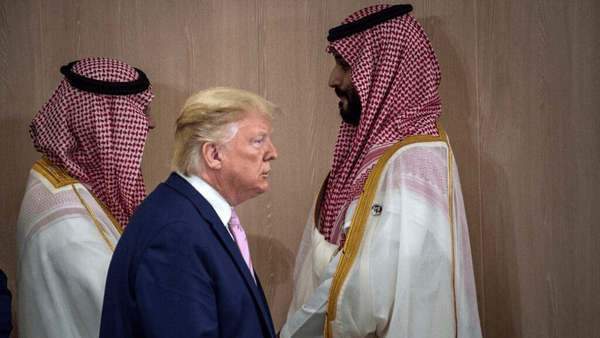
Riyadh's Hope for Washington's Military Support; An Attempt to Change the Field Balance
Reuters, citing an informed source, reported that Saudi Arabia hopes that US offensive support for its military operations in Yemen — which the Donald Trump administration has so far refused to provide — could change the course of the war and pave the way for the advancement of Riyadh-backed forces in the coming weeks.
However, this hope is raised in circumstances where Ansarullah forces, during the new round of clashes, have been able to seize the field initiative in strategic areas and increase pressure on Saudi-affiliated forces.
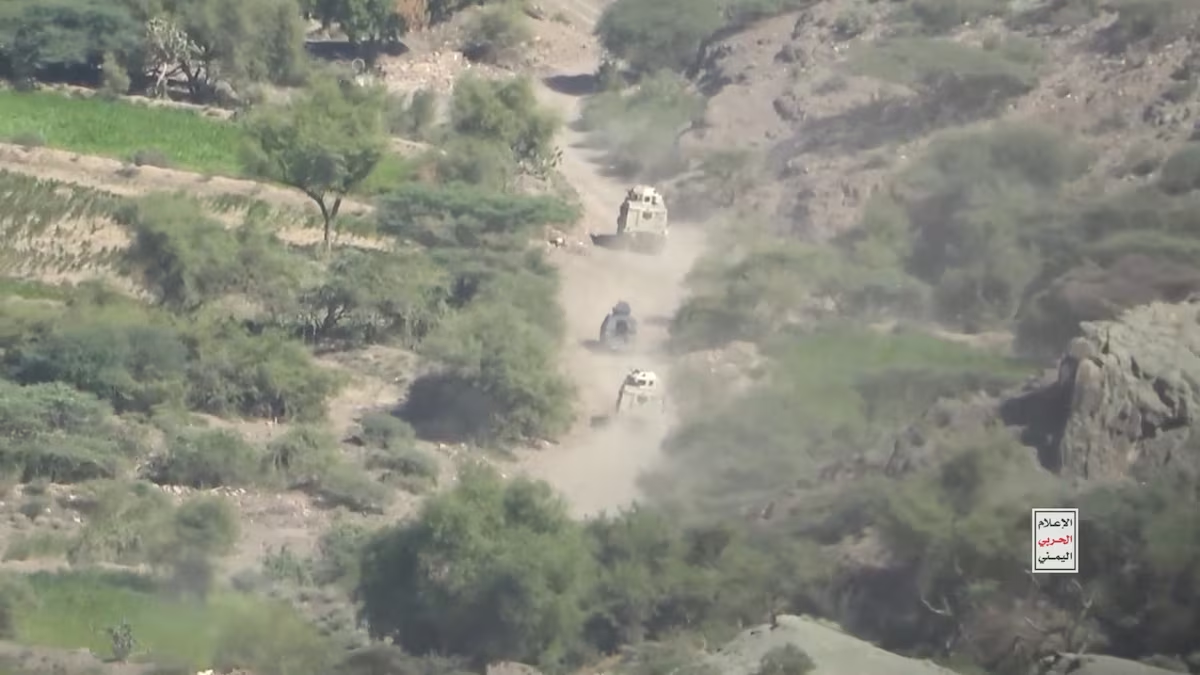
From Bab al-Mandab to Taiz; Retreat of Saudi-Backed Forces
Saudi Arabia began the war against Yemen in 2015 at the head of a coalition of Arab countries with the aim of returning its supported government to power; a war that intensified after Ansarullah's control over Sanaa and large parts of the country and ultimately led to a bloody deadlock. In 2022, a ceasefire was established that lasted until this summer.
According to Reuters, after the resumption of clashes, Ansarullah forces took control of parts of the Red Sea coast and the strategic Bab al-Mandab strait from Saudi-backed forces and besieged the city of Taiz in the highlands overlooking Aden, the temporary capital of the Riyadh-backed government.
Saudi-affiliated forces launched a counterattack last month to retake areas around the Bab al-Mandab strait, but retreated from their positions last weekend to protect Aden from the advance of Ansarullah forces; a retreat Reuters described as a major defeat and an important blow to Riyadh's military position.
Now Saudi forces and their allies are reorganizing, and according to one Western source, plans to protect Aden and possibly transfer the axis of operations to eastern fronts are on the agenda; areas where Saudi-backed forces have made advances or at least maintained their positions.
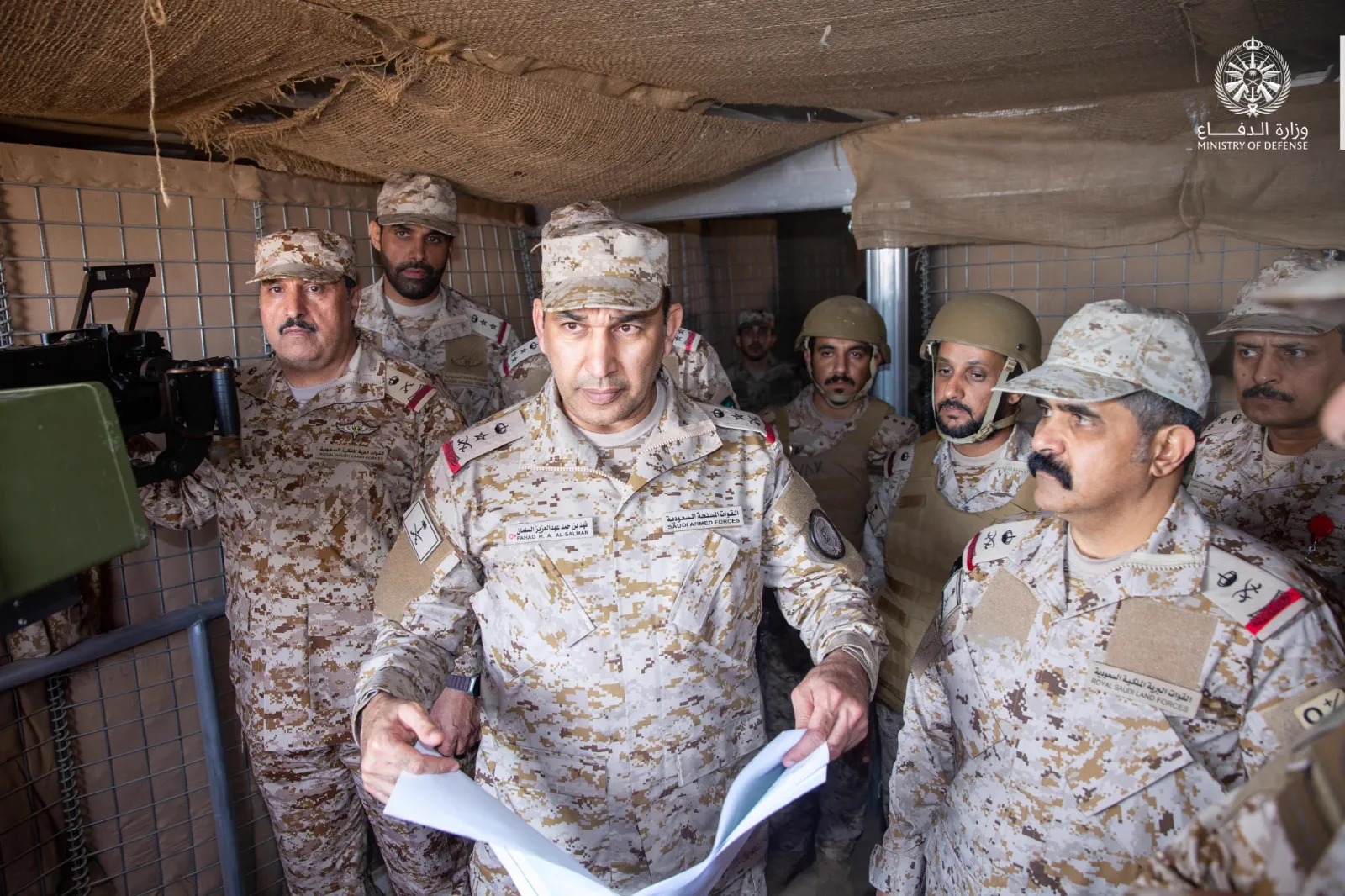
Change of Coalition Command; A Sign of Defeat on the Field
Saudi Arabia announced on Monday a change in the commander of its led military coalition. Also, according to two informed sources, the Riyadh-backed government in Yemen is also considering changes in its military command structure.
These developments come as the continuation of the war has not only challenged the position of Saudi-allied forces on the battlefield but has also imposed heavy security and economic costs on the country itself.
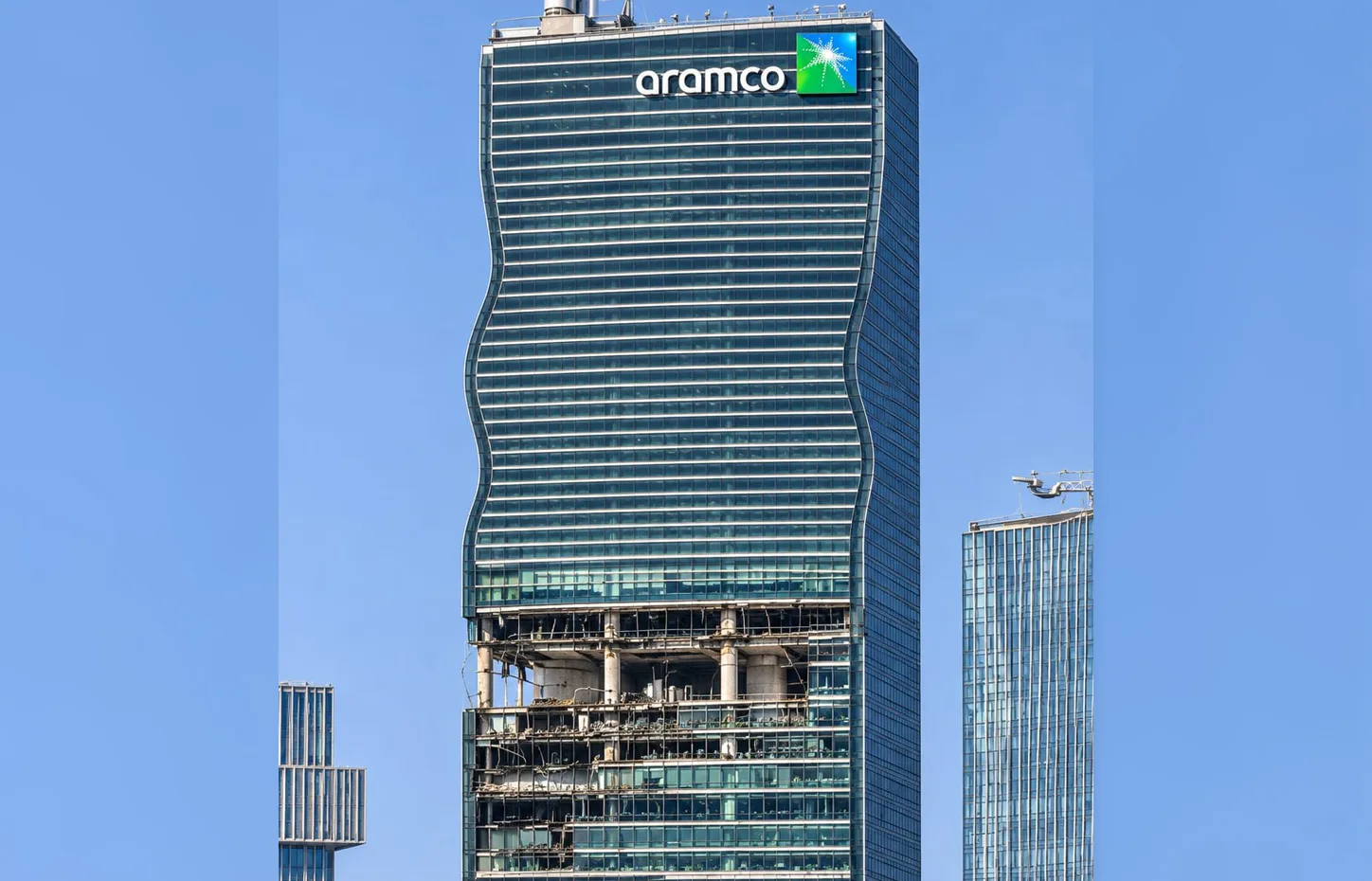
Transfer of War into Saudi Arabia; From Aramco Facilities to Riyadh Airport
Yemeni forces' attacks inside Saudi Arabia in recent weeks have affected daily life in the country and forced Saudi officials to change their method of reporting on the war.
According to this report, an attack last week on the high-rise building of the state-owned Aramco oil company in Riyadh caused considerable damage to this complex. Also, a series of deadly attacks on Riyadh airport have disrupted the majority of flights since October.
The consequences of this situation have also reached Saudi Arabia's economic plans and international events. The "Future Investment Initiative" investment conference, one of the country's important economic events, has been canceled or postponed, and the Asian Cup, which was scheduled to be held in January 2027, has been postponed to December of the same year.
These developments are taking place as Saudi Arabia strives to attract foreign investment in non-oil sectors and become a host of major global events; goals that the continuation of war and insecurity have made more difficult to achieve.
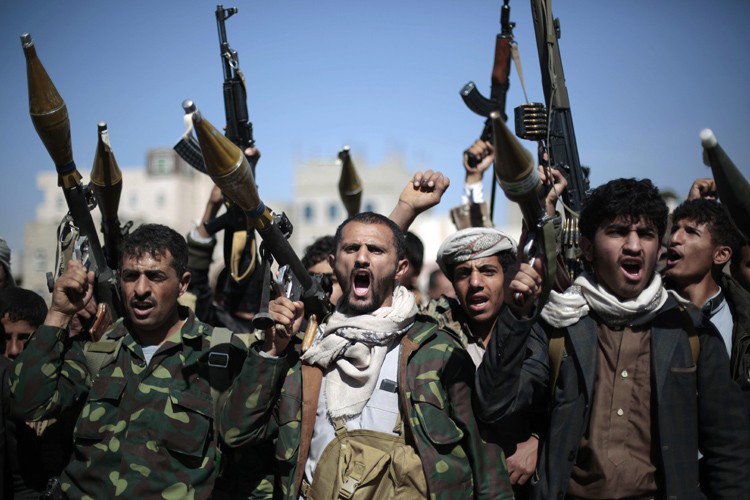
"Siege for Siege"; Yemen's Response to Years of Saudi Aggression and Intervention
Saudi Arabia, through military intervention in Yemen since 2015, extensive attacks, and the imposition of land, sea, and air restrictions, has exerted heavy pressure on the country's people; a war that has left thousands killed and wounded, displaced hundreds of thousands, and confronted Yemen's vital infrastructure with widespread destruction.
Against this policy, Ansarullah forces emphasize Yemen's right to defense and response to aggressions. The "siege for siege" equation has also been raised in this framework; a response to years of siege and attack according to which Riyadh cannot consider its security and stability guaranteed while the Yemeni people remain under the pressure of war and siege.
This report on Saudi Arabia's readiness to continue the war until 2027, alongside the retreat of its backed forces from strategic positions and the expansion of attacks inside Saudi territory, provides a picture of the increasing costs of Riyadh's military adventure; a war that after years has not only failed to achieve Saudi Arabia's declared objectives but has now put the country's security, economy, and regional plans under pressure.