Pakistan Expands Economic Diplomacy with Iran, Saudi Arabia, Egypt and Tunisia at COMCEC Meeting in Istanbul
Pakistan’s Commerce Minister Jam Kamal Khan has held a series of high-level meetings with counterparts and officials from Iran, Saudi Arabia, Egypt and Tunisia on the sidelines of the 42nd Session of the Standing Committee for Economic and Commercial Cooperation of the Organization of Islamic Cooperation (COMCEC) in Istanbul.
Istanbul: According to Raaz News | Pakistan’s Commerce Minister Jam Kamal Khan has held a series of high-level meetings with counterparts and officials from Iran, Saudi Arabia, Egypt and Tunisia on the sidelines of the 42nd Session of the Standing Committee for Economic and Commercial Cooperation of the Organization of Islamic Cooperation (COMCEC) in Istanbul, focusing on expanding bilateral trade, attracting investment and strengthening regional economic partnerships.
The engagements reflected Islamabad’s efforts to deepen economic ties with regional partners, diversify export markets, improve trade connectivity and identify new opportunities for cooperation in agriculture, industry, manufacturing and cross-border commerce.
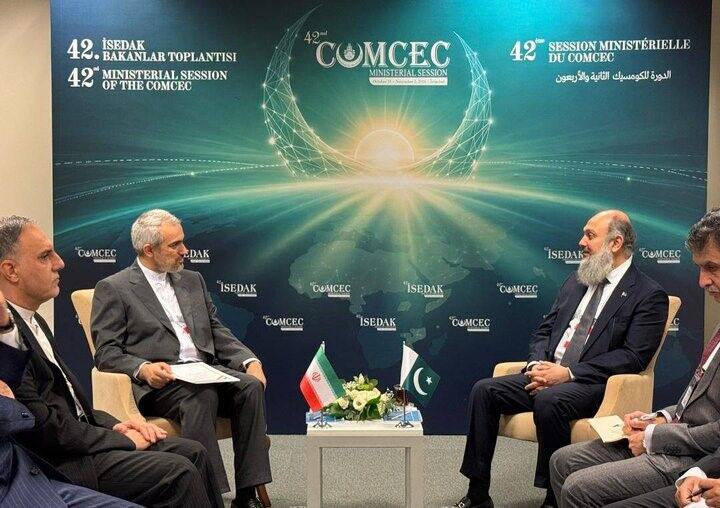
Iran and Pakistan Discuss Trade Facilitation and Border Connectivity
In a meeting with Iranian Minister of Economic Affairs and Finance Seyyed Ali Madanizadeh, Jam Kamal Khan discussed ways to expand bilateral trade, strengthen economic relations and facilitate the movement of goods across the shared border.
According to Iran’s SHADA news agency, Madanizadeh emphasized the importance of deepening economic and commercial cooperation between the two neighboring countries, identifying smoother freight transportation and more efficient transit procedures as key priorities.
The two ministers reviewed existing trade opportunities and stressed the need for practical measures to overcome obstacles affecting cross-border commerce.
Particular attention was given to difficulties faced by trucks at the Rimdan border crossing, the more effective use of the Mirjaveh crossing, and improving freight movement between the two countries.
Both sides also highlighted the need to upgrade border infrastructure, strengthen customs coordination and expand the capacity of free trade zones and border regions to support commercial activity.
They agreed that closer cooperation between customs authorities and more efficient clearance procedures could reduce transportation costs and delays, making bilateral trade more competitive and streamlined.
The discussions also covered opportunities to increase trade in agricultural products, foodstuffs and other commodities required by both countries. Greater economic cooperation in border areas was identified as a means of generating employment, stimulating local businesses and supporting security and sustainable development in border communities.
Both ministers emphasized the importance of continued consultations and follow-up to translate their discussions into practical measures.
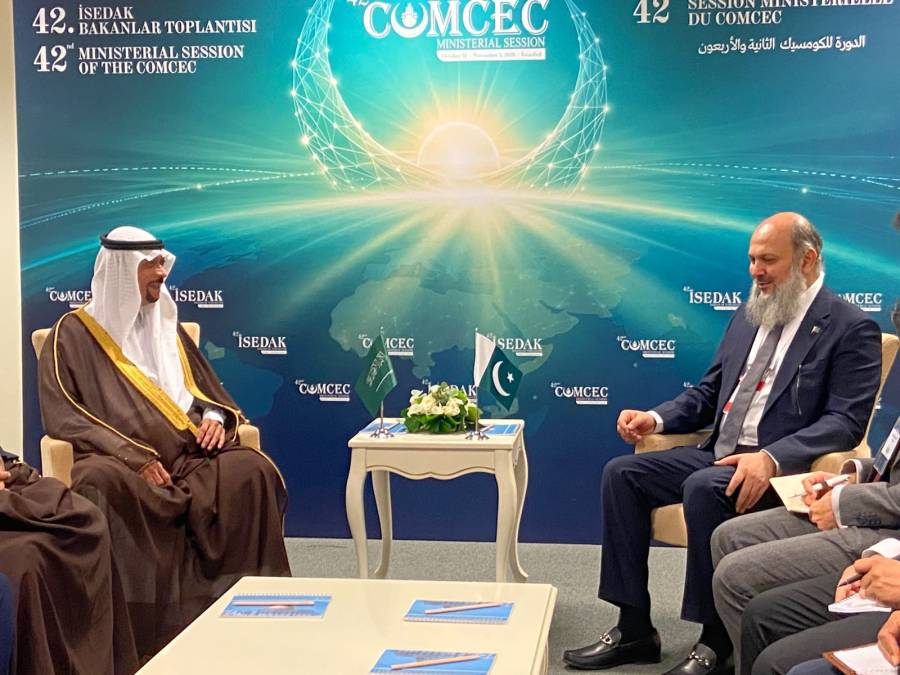
Saudi Arabia: Cooperation in Agriculture, Livestock and Food Security
In a separate meeting, Pakistan’s commerce minister met Fareed S. Alasaly, Saudi Arabia’s Deputy Governor for International Organizations and Agreements, to discuss expanding cooperation in agriculture and industrial development.
According to Pakistan’s Ministry of Commerce, both sides agreed to strengthen collaboration in human resource development, livestock and food security.
Jam Kamal Khan emphasized the importance of identifying new opportunities for mutually beneficial joint ventures between Pakistani and Saudi companies. He particularly proposed partnerships between leading businesses from the two countries to explore emerging commercial opportunities in African markets.
The Pakistani minister also invited the Saudi representative to visit Pakistan during the upcoming FoodAg exhibition to explore investment and partnership opportunities in agriculture, livestock and food-related industries.
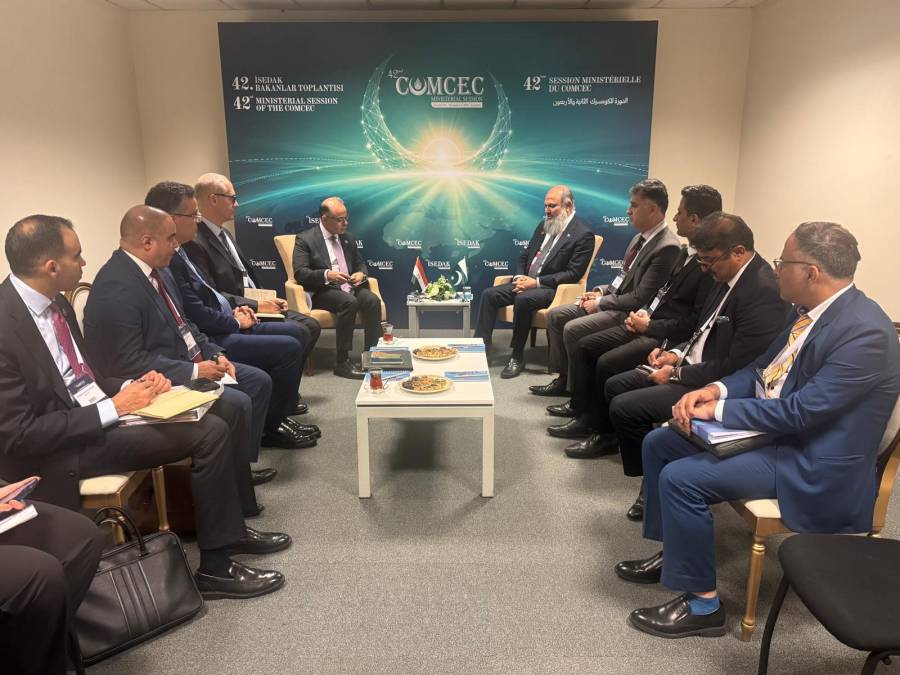
Egypt: Focus on Investment, Textiles and Industrial Partnerships
During his meeting with Egypt’s Minister of Investment and Foreign Trade, Mohamed Farid Saleh, Khan discussed ways to enhance bilateral trade, investment and industrial cooperation between Islamabad and Cairo.
The discussions placed particular emphasis on the cotton and textile sectors, alongside broader opportunities in manufacturing and industrial development.
Saleh highlighted Egypt’s investment potential and encouraged Pakistani companies to explore manufacturing opportunities and industrial partnerships in the country.
He also requested details of Pakistani companies expected to participate in an upcoming business forum, with the aim of facilitating direct engagement between the two countries’ business communities and identifying potential investment partnerships.
Khan underscored the importance of promoting joint ventures between Pakistani and Egyptian private-sector companies and exploring opportunities across textiles, manufacturing and other mutually beneficial sectors.
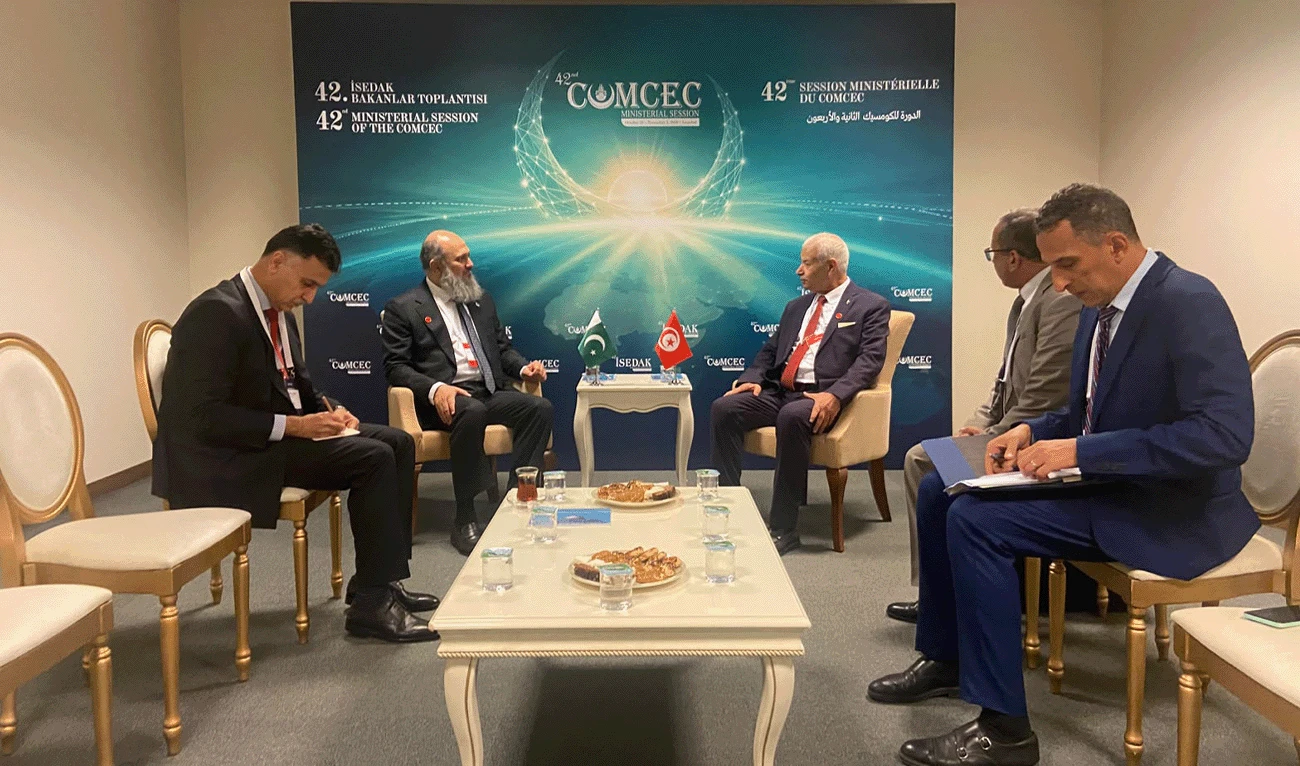
Tunisia: Exploring New Opportunities in Agriculture, Minerals and Manufacturing
Pakistan’s commerce minister also met Tunisia’s Minister of Trade and Export Development, Samir Abid, to discuss expanding bilateral trade and identifying new avenues for economic and industrial cooperation.
According to the Pakistani commerce ministry, the discussions focused on agriculture, minerals, textiles, automotive parts and manufacturing.
Both sides acknowledged considerable potential for mutually beneficial partnerships in these sectors and emphasized the importance of strengthening commercial engagement to expand trade and industrial collaboration.
Pakistan Seeks to Diversify Export Markets and Attract Investment
Pakistan’s Ministry of Commerce said the minister’s bilateral engagements on the sidelines of COMCEC reflected Islamabad’s continued efforts to strengthen economic diplomacy, diversify export destinations, attract foreign investment and promote mutually beneficial partnerships across the Middle East, North Africa and beyond.
COMCEC serves as a central economic cooperation forum of the Organization of Islamic Cooperation, providing a platform for member states to address shared development challenges and explore ways to strengthen trade, investment and economic cooperation.
The meetings in Istanbul underscore Pakistan’s broader strategy of building stronger economic links with neighboring and regional partners. By focusing on trade facilitation, industrial collaboration, agricultural development and private-sector investment, Islamabad aims to create new opportunities for sustainable growth and expand its economic engagement across key regional markets.