
New Security Command Begins Operations in Iraq’s Jurf al-Nasr; Federal Police Assumes Control of the Area
Iraqi security forces began deploying and replacing military units in Jurf al-Nasr under the supervision of the Federal Police following the launch of a new command headquarters.
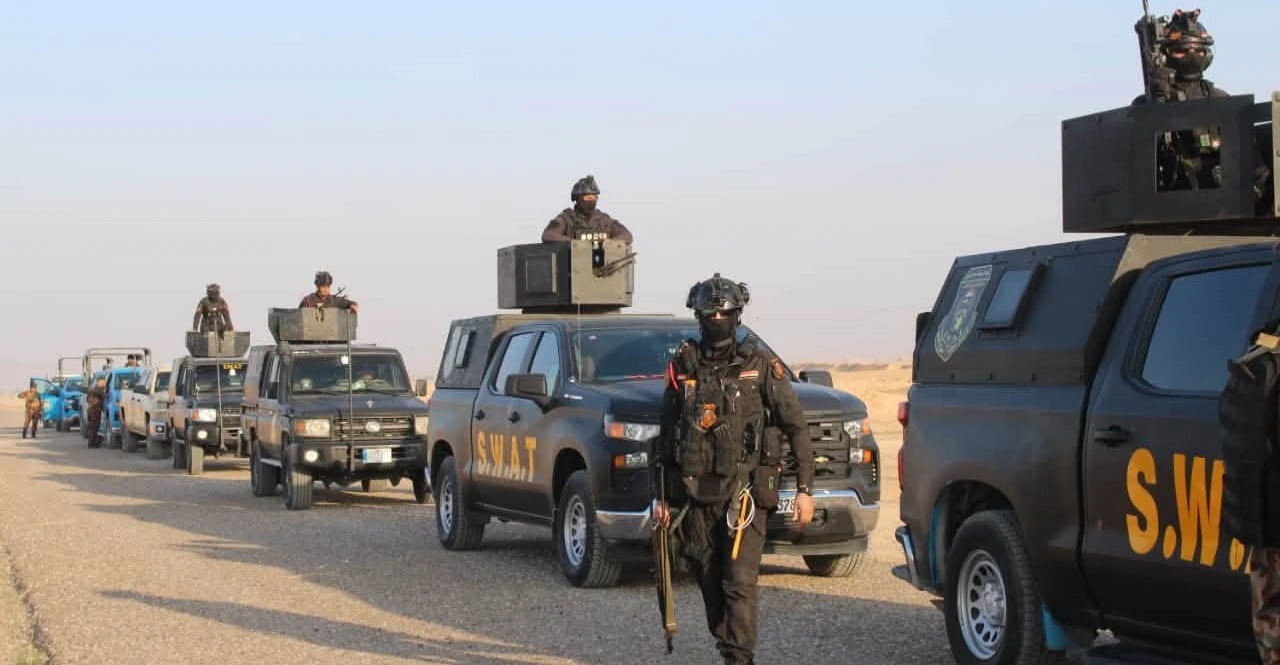
Baghdad: According to Raaz News | Iraqi security forces began operating under a newly established security command in Jurf al-Nasr, also known as Jurf al-Sakhar, in Babil province on Friday, in accordance with the 6:00 a.m. deadline set by Prime Minister and Commander-in-Chief of the Armed Forces Ali al-Zaidi. The move follows an agreement to ease tensions between the Iraqi government and Hezbollah Brigades and transfer security responsibilities in the area to a new command structure.
Under an order issued by the Iraqi prime minister on Thursday, the new command operates under the Federal Police and is headed by Lieutenant General Ahmed Hatem Hamid. It will assume full command and control of all security units deployed within the administrative boundaries of Jurf al-Nasr and coordinate with Babil Provincial Police and the operations commands of Karbala, Anbar and Baghdad provinces.
The new security structure comprises one Iraqi Army brigade, one Federal Police brigade, two Popular Mobilization Forces (PMF) brigades and an Energy Police regiment. The Energy Police regiment will also be responsible for protecting oil transmission pipelines.
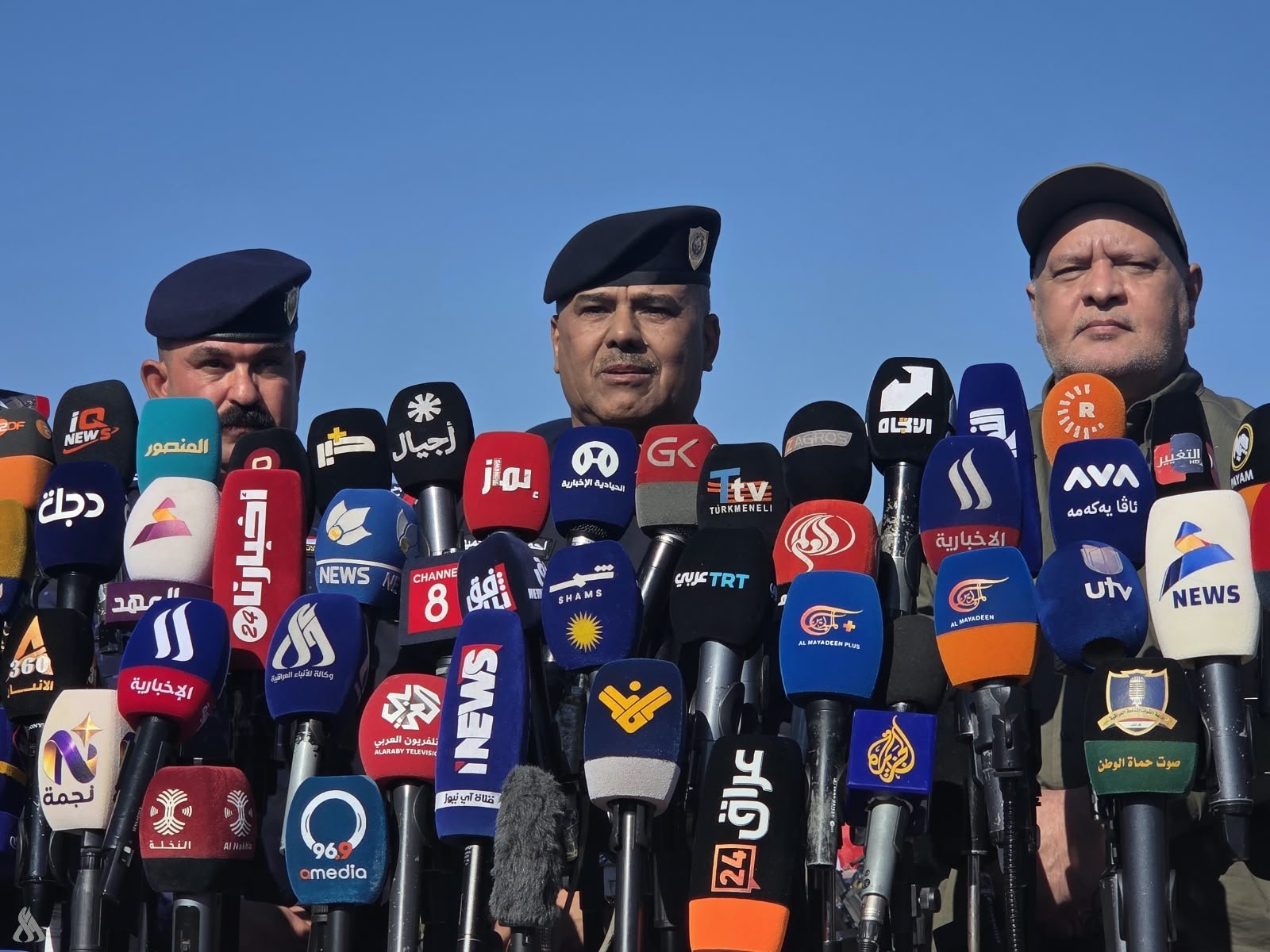
Speaking at a press conference on Friday, Lieutenant General Ahmed Hatem Hamid confirmed that the new command had begun operations. He said the deployment of forces and the relocation of units across Jurf al-Nasr had started that day under the command's direct supervision. He also stressed that the replacement of military units stationed in the area would be carried out according to a specific timetable.
The security reshuffle follows a decision made on Wednesday by Iraq’s Higher Committee for Security Sector Reform to replace the forces stationed in Jurf al-Nasr with units selected by the commander-in-chief of the armed forces.
The Jurf al-Nasr issue had become a major source of tension between Ali al-Zaidi’s government and the Popular Mobilization Forces, particularly Hezbollah Brigades, in recent days. As part of its new plan, the Iraqi government sought to reorganize security forces and transfer responsibility for controlling the area to official state institutions. The move was met with opposition and concern from Hezbollah Brigades, raising fears of a possible armed confrontation.
In this context, Brigadier General Esmail Qaani, commander of the Quds Force of Iran’s Islamic Revolutionary Guard Corps (IRGC), arrived in Baghdad on Wednesday to help ease tensions between the Iraqi government and Hezbollah Brigades. He met with Abu Hussein al-Hamidawi, the group's secretary-general; Hadi al-Amiri, secretary-general of the Badr Organization; and Faleh al-Fayyad, head of the Popular Mobilization Forces.
Following the meeting, Hezbollah Brigades announced that the parties had discussed the Jurf al-Nasr crisis and ways to manage it. Al-Hamidawi described the outcome of the consultations as “good.”
Meanwhile, several delegations of prominent Iraqi tribal leaders visited Jurf al-Nasr and declared their support for Hezbollah Brigades, warning about the consequences of any changes to the area's security arrangements. Some tribal representatives held the government responsible for the potential consequences of further escalation and possible bloodshed.
Jurf al-Nasr is located approximately 60 kilometers southwest of Baghdad. After ISIS seized the area in 2014, Iraqi forces and the Popular Mobilization Forces regained control of it during a military operation later that year. Despite the passage of several years since its liberation, the area's original residents have not been able to return to their homes on a large scale, and Jurf al-Nasr continues to hold security and strategic significance.
The launch of the new command and the deployment of forces under Federal Police leadership mark the implementation of the Iraqi government's plan to reorganize the security structure in Jurf al-Nasr. The plan aims to consolidate the state's official control over the area and prevent further escalation of tensions with Hezbollah Brigades.