
US, Saudi Arabia, and UAE Seek to Replicate Libya and Yemen Scenario in Iraq; Is a Civil War Project Underway?
Amid rising warnings about suspicious movements on Syrian soil, a security source has revealed the preparation of a large-scale plan to return terrorism and insecurity to Iraq.
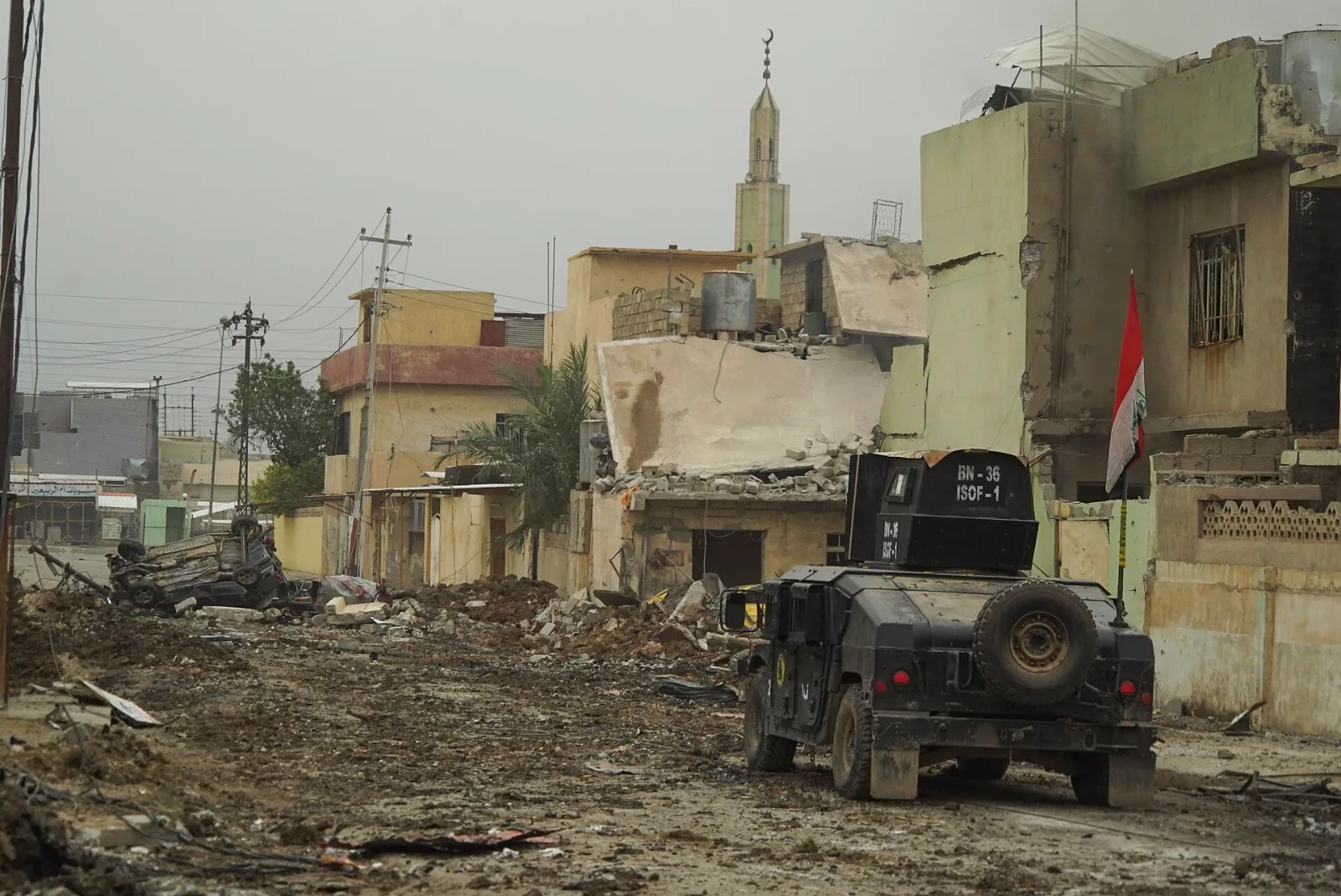
Baghdad: According to Raaz News | Amid rising warnings about suspicious movements on Syrian soil, a security source has revealed the preparation of a large-scale plan to return terrorism and insecurity to Iraq — a plan reportedly pursued with the participation of thousands of trained forces and foreign support, aimed at igniting sectarian divisions, weakening resistance forces, and dragging Iraq into internal conflicts.
The "Al-Maalouma" news agency, citing a security source, reported that a terrorist scenario is being prepared on Syrian soil aimed at destabilizing Iraq and returning the country to a cycle of chaos and internal conflicts.
The source put the number of participants in this plan at more than 10,000, saying: These individuals, including armed forces and suicide bombers, are being trained in secret camps in Syria. According to the source, foreign trainers provide training in urban warfare, bomb-making, creating chaos, and fueling sectarian divisions.
Thousands of Trained Forces and Foreign Weapons Support
According to information published by security sources, the forces present in the camps enjoy financial support from the US and some Gulf states, including Saudi Arabia and the UAE, and in addition to receiving substantial salaries, are provided with vehicles and military equipment.
These sources also spoke of the US role in supplying advanced weapons and drones to the elements in this plan, and listed its objectives as igniting civil war among Muslims, targeting Islamic resistance groups, and spreading insecurity in Iraqi provinces.
Analysts have described this scenario as the largest terrorist plan since the defeat of ISIS, saying: Its main axis is creating civil war in Iraq under the management of the US, the Israeli regime, and some Gulf states.
This information indicates an attempt to exploit Iraq's social and religious gaps with the aim of weakening the country's security and political structure — a scenario that could threaten the achievements of years of struggle by the Iraqi people and forces against terrorism.
Jurf Al-Nasr; The Focal Point of Concerns About Iraq's Security Future
In this connection, Iraqi analyst Wissam Aziz, referring to foreign pressures on some of the country's officials, reported the role-playing of the UAE and Saudi Arabia in advancing agendas aimed at changing Iraq's security equations.
Aziz also considered the Jurf Al-Nasr area file as part of these developments and warned about attempts to change the security situation in this area. In the analysis presented by him, Jurf Al-Nasr is of special importance due to its strategic location and its role in the security of routes leading to Baghdad and Karbala, and any change in its security arrangements could have widespread consequences for Iraq's security.
This analyst, referring to the experience of regional countries, warned about the repetition of patterns similar to what happened in Libya, Sudan, and Yemen; patterns in which foreign intervention, support for armed actors, and the intensification of internal gaps led to long-term instability.
Warning About Repeating the Syria Scenario and the Return of Chaos to Iraq
Iraq, after years of war, occupation, terrorism, and sectarian conflicts, was able, through the sacrifices of its security forces, resistance groups, and its people, to eliminate an important part of the ISIS threat. Now, any attempt to revive terrorist networks or turn political and religious differences into armed confrontation directly targets the country's security and national sovereignty.
Meanwhile, the region's bitter experience has shown that the expansion of armed groups, their financing and arming from abroad, and the exploitation of internal differences can pave the way for the collapse of a country's security and the destruction of its infrastructure.US, Saudi Arabia, and UAE Seek to Replicate Libya and Yemen Scenario in Iraq; Is a Civil War Project Underway?
Baghdad: According to a Raz News report | Amid rising warnings about suspicious movements on Syrian soil, a security source has revealed the preparation of a large-scale plan to return terrorism and insecurity to Iraq — a plan reportedly pursued with the participation of thousands of trained forces and foreign support, aimed at igniting sectarian divisions, weakening resistance forces, and dragging Iraq into internal conflicts.
The "Al-Maalouma" news agency, citing a security source, reported that a terrorist scenario is being prepared on Syrian soil aimed at destabilizing Iraq and returning the country to a cycle of chaos and internal conflicts.
The source put the number of participants in this plan at more than 10,000, saying: These individuals, including armed forces and suicide bombers, are being trained in secret camps in Syria. According to the source, foreign trainers provide training in urban warfare, bomb-making, creating chaos, and fueling sectarian divisions.
Thousands of Trained Forces and Foreign Weapons Support
According to information published by security sources, the forces present in the camps enjoy financial support from the US and some Gulf states, including Saudi Arabia and the UAE, and in addition to receiving substantial salaries, are provided with vehicles and military equipment.
These sources also spoke of the US role in supplying advanced weapons and drones to the elements in this plan, and listed its objectives as igniting civil war among Muslims, targeting Islamic resistance groups, and spreading insecurity in Iraqi provinces.
Analysts have described this scenario as the largest terrorist plan since the defeat of ISIS, saying: Its main axis is creating civil war in Iraq under the management of the US, the Israeli regime, and some Gulf states.
This information indicates an attempt to exploit Iraq's social and religious gaps with the aim of weakening the country's security and political structure — a scenario that could threaten the achievements of years of struggle by the Iraqi people and forces against terrorism.
Jurf Al-Nasr; The Focal Point of Concerns About Iraq's Security Future
In this connection, Iraqi analyst Wissam Aziz, referring to foreign pressures on some of the country's officials, reported the role-playing of the UAE and Saudi Arabia in advancing agendas aimed at changing Iraq's security equations.
Aziz also considered the Jurf Al-Nasr area file as part of these developments and warned about attempts to change the security situation in this area. In the analysis presented by him, Jurf Al-Nasr is of special importance due to its strategic location and its role in the security of routes leading to Baghdad and Karbala, and any change in its security arrangements could have widespread consequences for Iraq's security.
This analyst, referring to the experience of regional countries, warned about the repetition of patterns similar to what happened in Libya, Sudan, and Yemen; patterns in which foreign intervention, support for armed actors, and the intensification of internal gaps led to long-term instability.
Warning About Repeating the Syria Scenario and the Return of Chaos to Iraq
Iraq, after years of war, occupation, terrorism, and sectarian conflicts, was able, through the sacrifices of its security forces, resistance groups, and its people, to eliminate an important part of the ISIS threat. Now, any attempt to revive terrorist networks or turn political and religious differences into armed confrontation directly targets the country's security and national sovereignty.
Meanwhile, the region's bitter experience has shown that the expansion of armed groups, their financing and arming from abroad, and the exploitation of internal differences can pave the way for the collapse of a country's security and the destruction of its infrastructure.