
Deployment of Pakistani Army Forces to Saudi Arabia; The Alignment of Apparently Islamic Countries Against Muslims
Pakistan, continuing its military and strategic relations with Saudi Arabia, held a farewell ceremony for a group of its army forces to be deployed to Saudi soil.
Islamabad: According to a Raaz News | Pakistan, continuing its military and strategic relations with Saudi Arabia, held a farewell ceremony for a group of its army forces to be deployed to Saudi soil — an action carried out within the framework of the two sides' defense cooperation, but which, in the shadow of the continuation of the war and siege on Yemen, raises serious questions about the objectives and consequences of expanding the military presence of regional countries alongside Riyadh.
The ceremony, held yesterday, was attended by Khawaja Muhammad Asif, Pakistan's Defense Minister, as the guest of honor. Rajih Al-Tamimi Al-Baqami, Saudi Arabia's Ambassador to Islamabad, General Omar Ahmed Bukhari, Chairman of the Joint Chiefs of Staff of the Pakistan Army, and Lieutenant General Muhammad Omar Bashir, Commander of the Lahore Corps, were among the other officials present at the ceremony.
According to the statement released, the deployment of these forces is carried out within the framework of agreed commitments and the two countries' defense cooperation mechanism, and their mission will be inside Saudi territory. Pakistani officials have presented this action as a sign of Islamabad's commitment to the security, sovereignty, and territorial integrity of Saudi Arabia, as well as the protection of the Two Holy Mosques.
Military Deployment to Saudi Arabia; Defense Cooperation or Entry into the Region's Tense Equations?
In the statement related to this ceremony, emphasis was placed on the historical, fraternal, and mutual trust ties between Pakistan and Saudi Arabia, and it was stated that the presence of Pakistani military personnel will help strengthen the defense capability of the Saudi Kingdom against emerging security concerns.
However, the main issue is that regional security cannot be examined separately from the roots of the crisis and the interventionist policies that have, over the past years, led to war, destruction, and a humanitarian crisis in Yemen. Saudi Arabia was at the head of the military coalition against Yemen for years, and airstrikes, siege, and extensive restrictions on the country's ports and vital routes affected the lives of millions of Yemenis.
The question now is whether expanding defense cooperation with Riyadh, without a change in its policies toward Yemen, can lead to sustainable security? Or will such cooperation merely increase Saudi Arabia's military capability without paying attention to the roots of insecurity in the region?
The Mecca Agreement and the Failed Test of Curbing Yemen; When Paper Documents Do Not Bring Security
In recent months, Pakistan, Saudi Arabia, and Turkey have spoken of expanding political and defense coordination and joint security mechanisms. The Mecca Agreement has also been raised in this context as a platform for strengthening trilateral cooperation; but the passage of time alone has not been able to show that these understandings have created a decisive change in the field equations of Yemen.
Despite these consultations and agreements, Yemen's armed forces have continued to be able to target positions and objectives deep inside Saudi territory and, through their operations, have demonstrated the country's security and defense vulnerabilities. This reality shows that forming political meetings, signing agreements, and declaring military solidarity do not necessarily mean achieving deterrence or curbing one side on the battlefield.
Pakistan and Turkey, if they seek to play an effective role in regional security, must clarify whether their defense cooperation is intended to serve the reduction of tension and the ending of the war, or will lead to strengthening one side in an exhausting conflict against the Yemeni people. No coalition can ignore the realities on the ground merely by signing a few documents and holding official ceremonies.
Yemen and the "Siege for Siege" Equation; The Consequences of the Continuation of Riyadh's Policies
Yemen's armed forces have repeatedly emphasized in recent years that the continuation of the siege and attacks against this country will not go unanswered. The "siege for siege" policy has been raised in this same context; a response that, from Sanaa's perspective, stands against the economic pressure and restrictions that have been imposed on the Yemeni people for years.
The continuation of this approach shows that the Yemen issue will not be solved by increasing foreign military presence or forming new coalitions. As long as attacks, interventions, and restrictions imposed on the people of this country continue, the ground for tension and confrontation will also persist.
To exit this cycle, Saudi Arabia must, above all, end its policy of aggression and siege, respect Yemen's sovereignty, and replace military pressure with dialogue and political settlement. Riyadh's sustainable security also passes through this path, not through the expansion of military alignments in the region.
The Priority of the Islamic World; Confronting the Aggression of the Israel Regime, Not Alignment Against Muslims
In a situation where the Israel regime continues its aggressions in Palestine and its military attacks and actions threaten the security of regional countries, Islamic countries are expected to employ their political, economic, and defense capacities to confront occupation and support the Palestinian people.
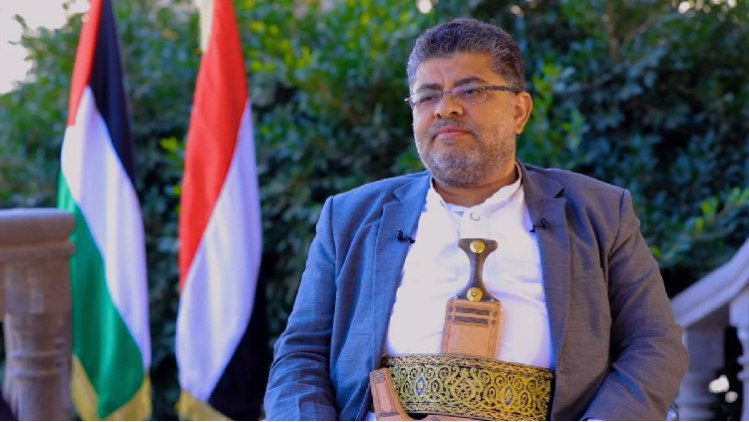
Meanwhile, Muhammad Ali Al-Houthi, a member of Yemen's Supreme Political Council, said on Saturday: Saudi Arabia, Pakistan, and Turkey must defend Palestine and Al-Aqsa Mosque after their collective defense agreement in August.
He noted: "We are ready to participate in this coalition if it helps the cause of the Islamic world."
Al-Houthi also warned that any new military coalition against Yemen is doomed to failure and will meet a fate similar to the US-backed, Saudi-led coalition that was formed in 2015.
He said: Just as the coalition announced by Washington against Yemen in 2015 failed, no new coalition will succeed either.
Al-Houthi further emphasized the continuation of military aggression against Yemen, stating that Saudi Arabia continues to target civilians and civilian infrastructure throughout the country.
He said: The Saudi enemy continues to kill civilians, their homes, and their property in Yemen's liberated provinces.
The formation of security arrangements whose result is increased pressure on a Muslim country and the continuation of conflict with the Yemeni people cannot be the answer to the real needs of the Islamic world. Regional countries, instead of competing to form coalitions against one another, must cooperate to stop the crimes of the Israel regime, support the Palestinian nation, and prevent the expansion of war.
The deployment of Pakistani forces to Saudi Arabia is, ultimately, also considered a test for the orientation of Islamabad's foreign policy: will these cooperations be placed on the path of reducing tension and contributing to the region's collective security, or will they lead to strengthening equations that ignore the root of the Yemen crisis?
The reality is clear; security is not achieved through ceremonial pacts and paper agreements. As long as Saudi Arabia does not end its aggression, intervention, and siege of Yemen, no agreement alone can guarantee the security of this country. The path to regional stability passes through ending the war and respecting the rights and sovereignty of nations, not through the expansion of coalitions that can themselves become a new factor for exacerbating the crisis.